In just three months, trade flows that had been established for decades shifted from one maritime axis to another to avoid open conflict zones. My investigation into shipping routes across the Mediterranean basin and the Middle East shows how far shipowners, traders and states had to adapt in an emergency to keep global supply running.
This massive reorganization relies on a combination of logistical workarounds and exceptional drawdowns from state reserves. However, the latest data shows that the fallback solutions adopted in the spring are already running into new security and political constraints.
A Violent Redistribution of Volumes Across Maritime Chokepoints
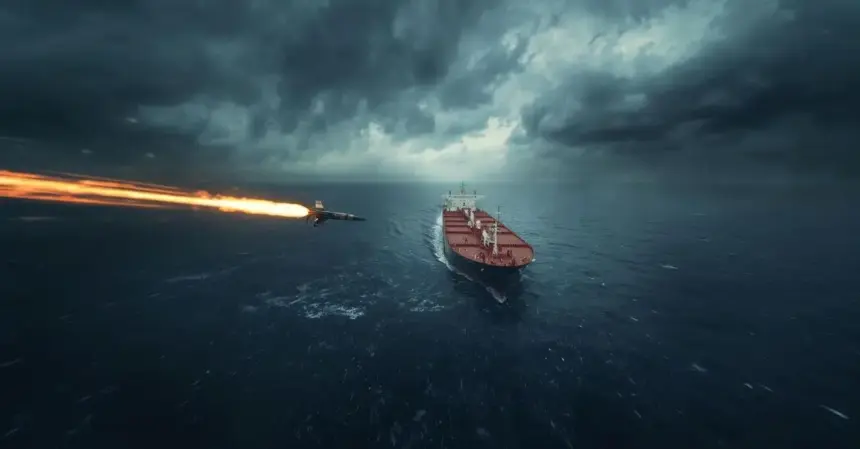
The comparison between the second quarter of 2025 and the second quarter of 2026 reveals the scale of the shift. The Strait of Hormuz, the central artery of Middle Eastern hydrocarbon trade, took the hardest hit from the hostilities. According to satellite tracking records and data from international maritime bodies, transit through Hormuz collapsed from 21.0 million barrels per day to just 4.9 million barrels per day, a drastic 77% drop.
This partial paralysis of the Gulf had direct repercussions on Asian routes. The Strait of Malacca, a major gateway to Asian markets, saw its crude volumes fall by 30%, from 23.8 million to 16.6 million barrels per day. Conversely, alternative routes and bypass corridors captured unprecedented flows. Traffic through the Bab el-Mandeb Strait jumped 80%, reaching 8.1 million barrels per day versus 4.5 million a year earlier. The Panama Canal, the Suez-SUMED system and the Turkish Straits also show notable increases of 11% to 28%, evidence of a large-scale transoceanic rerouting.
Logistical and Strategic Adaptation Levers
With some traditional chokepoints effectively closed, two main mechanisms made it possible to avoid a systemic breakdown in global crude supply.
- Saudi Arabia massively redirected its oil westward through its East-West pipeline, which has a capacity of 7 million barrels per day and leads directly to the Red Sea, fueling the spectacular rise in Bab el-Mandeb traffic.
- Asian importers, facing difficulties in the Gulf and the Strait of Malacca, shifted their purchases toward crude from the Americas, which explains the vitality of the Panama Canal.
These industrial adaptations nevertheless required complex logistical readjustments, involving significant extra transport costs and longer transit times for supertanker fleets.
🛢️ War is redrawing the world oil map 🌍
In Q2 2026, war is upending global #oil routes. 🛢️🌍 #Geopolitics #Hormuz #Houthis #Iran
Read more 👇
🔗 https://t.co/KDIJdEIZb3 https://t.co/t4WrVf5NWa— Silicon Valley (@SiliconValleyMa) October 16, 2026
The Collapse of Precautionary Stocks
The apparent fluidity of the global market masks a more fragile reality: the massive use of national strategic reserves to fill temporary gaps in production and transport. The figures published for this quarter show how quickly the states’ safety cushions were consumed.
In the United States, the Strategic Petroleum Reserve fell from 413 million to 321 million barrels in a single quarter. In Japan, the trend was strikingly similar, with official stocks dropping from 263 million to 187 million barrels over the same period. This rapid drawdown reflects the pressure on governments to stabilize prices and reassure industrial markets in the face of volatile maritime supply.
A Map Already Obsolete in the Face of New Bans
While the second-quarter data already paint an upended picture, the situation on the ground is evolving so fast that these balances are already being called into question. Decisions made by local armed groups constantly redraw the red lines of commercial navigation.
The ban imposed by the Houthis on July 20 on all vessels linked in any way to Saudi Arabia immediately shattered the fallback solution put in place by Riyadh. In August, the volume of Saudi crude transiting through the Bab el-Mandeb Strait fell to nearly zero, demonstrating the structural fragility of maritime corridors in times of asymmetric conflict and raising the question of the viability of supply chains in the coming quarters.
Frequently Asked Questions
Why did the Strait of Hormuz lose so much volume?
Heightened military tensions and security risks in the Gulf region led shipowners to suspend or drastically limit their transits through this strategic route.
How did Asia offset the drop in Middle Eastern oil?
Asian refineries turned to producers in the Americas, driving a marked increase in crude oil traffic through the Panama Canal.
What is the impact of falling strategic reserves?
The rapid decline in stocks in the United States and Japan shows that consuming countries had to draw heavily on their safety reserves to absorb the shock of logistical disruptions.