Director General of Strategy and Innovation for the Defense Industry, he was speaking on 20 October 2026 at the Nueva Economía Fórum in Madrid. His words, reported by Europa Press and The Objective, outline a clear situation: Spain broke with Israel in September 2025 and is now paying the operational price while watching its Moroccan neighbor continue to buy from the same suppliers.
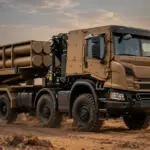
The context is well known. Pedro Sánchez’s government described Israeli operations in Gaza as “genocide” and imposed an embargo. Contracts were canceled or redirected, including the SILAM rocket-launcher system (derived from the Israeli Elbit Systems PULS, worth several hundred million euros), Spike LR2 anti-tank missiles under Rafael license, and Litening laser designation pods. The stated goal is “zero dependence.” Ivorra acknowledges it bluntly: “We had an excessive dependence.” After the veto, it is up to Spanish industry to “manufacture the capabilities” that Israeli companies previously supplied. “It obviously affects our capabilities, because some complex systems require time and money.”
This is not a revelation for anyone following the programs. For years, Israeli systems or systems under Israeli license equipped or complemented Spanish platforms: communications on armored vehicles, artillery systems, guidance for the Eurofighters, among others. Ivorra’s admission officializes what industrialists and part of the military already knew. The rupture is not a mere diplomatic gesture; it affects supply chains, maintenance, and technological developments.
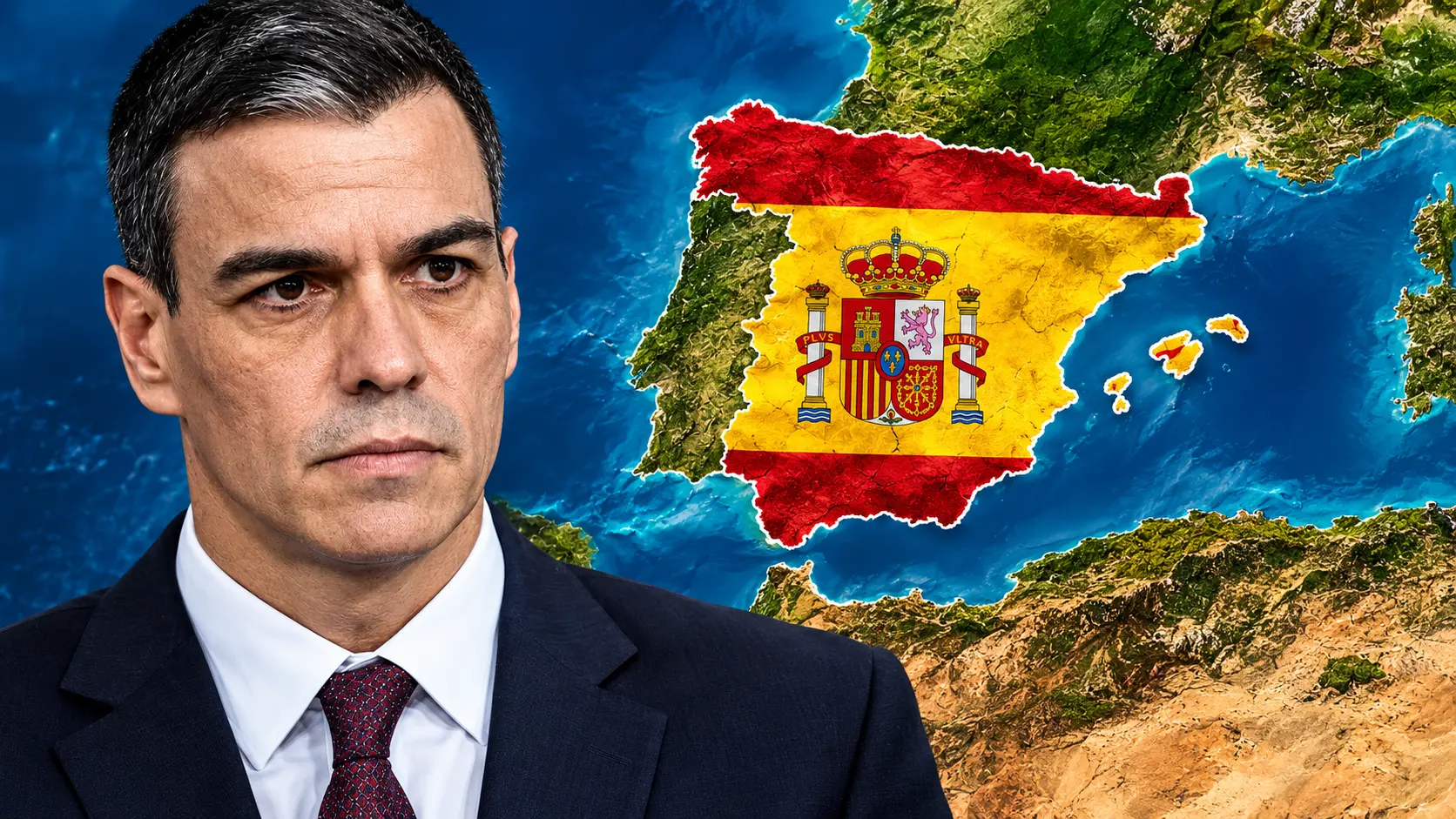
A military official’s assessment
Ivorra insists on a distinction that many avoid. Buying products is not the same as mastering the technology. “You don’t achieve it by buying products, but by developing them, evolving them, and maintaining them,” he explained. He declares himself optimistic and sees this constraint as an opportunity to strengthen national production. Spanish industrialists, in his view, have the necessary skills to progressively replace these technologies.
The same official, however, highlights another gap: the one separating Spain from the United States. He calls it “immense.” To reduce it, he is counting on reinforced European cooperation. “It’s difficult to achieve, but within Europe it will be easier if we all collaborate,” he said. He also recalls that Spain reached 2% of GDP in defense spending in 2025, a historic effort that opens a window for reindustrialization. Technological sovereignty, for him, is not isolation: it is knowing which capabilities to preserve, with whom to cooperate, and under what conditions to retain freedom of action.
These remarks come as the ministry manages a large portfolio of special modernization programs. Ivorra mentioned the schedule of new programs (air defense, missiles) and the need to simplify procurement procedures, which he considers too slow. The message is pragmatic: the rupture policy imposes a cost in time and resources, but it can serve as a lever if national and European industry follows.

The contrast with the Moroccan neighbor
On the other side of the Strait, the trajectory is the opposite. Ivorra confirms that Moroccan rearmament “is a reality.” Rabat is multiplying acquisitions from the United States and Israel. According to SIPRI data for the 2021-2025 period, the United States accounts for about 60% of Morocco’s major arms imports, Israel 24%, and France 10%. The kingdom became Africa’s leading importer over this period.
Israeli-Moroccan cooperation, accelerated after the Abraham Accords, goes beyond purchasing. It now includes an industrial dimension. Moroccan Military Industry, a subsidiary of Elbit Systems, plans to deliver the first combat turrets manufactured in Morocco from March 2027 to equip the 8×8 armored vehicles assembled locally (notably with the Indian partner Tata). The company has sites near Casablanca and is also developing anti-drone versions as well as ammunition production. Other Israeli systems are already in service or being integrated: Hermes and Heron drones, the Barak air-defense system, PULS rocket launchers, ATMOS howitzers, and advanced discussions on locally produced loitering munitions or systems such as the LORA.
- United States: main supplier (approximately 60% of 2021-2025 imports, according to SIPRI).
- Israel: second supplier (24%), with growing local production.
- Notable systems: drones, air defense, artillery, turrets for armored vehicles from 2027.
- Spain: total rupture in September 2025, progressive replacement by national or European solutions.
Ivorra precisely distinguished these purchases from real technological mastery. Morocco is diversifying and industrializing; Spain must rebuild capabilities it had externalized.
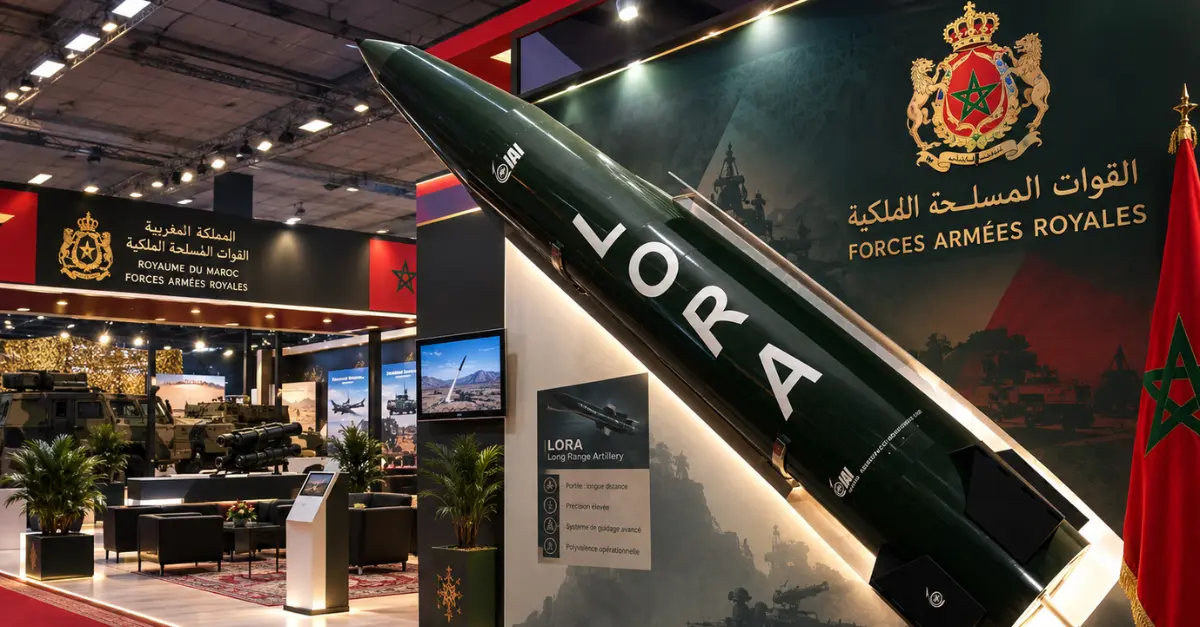
The stakes for strategic autonomy
The issue matters for several reasons. First, strategic: the Strait of Gibraltar remains a sensitive space. Spain and Morocco maintain complex relations, marked by cooperation on migration and security, but also by disputes (Western Sahara, Ceuta and Melilla). A growing technological asymmetry is not trivial, even if no scenario of open confrontation is currently on the table.
Then economic and industrial. Replacing complex systems is expensive and takes time. European or national alternatives (and sometimes Turkish ones, according to certain industrial reports) must be qualified, integrated, and maintained. The gap with American industry, which Ivorra calls immense, limits short-term options. European cooperation appears as the most realistic lever, provided it produces concrete results rather than declarations.
Politically, the file remains divisive. For the government and its allies, the rupture is a question of consistency in the face of the situation in Gaza. For part of the opposition and certain military circles, it weakens capabilities without immediate equivalents while the neighbor continues to access the same technologies. Both readings coexist in public and industrial debates. Ivorra, for his part, refuses denial: the impact exists, time and money are necessary, but national industry can respond if investments and procedures follow.
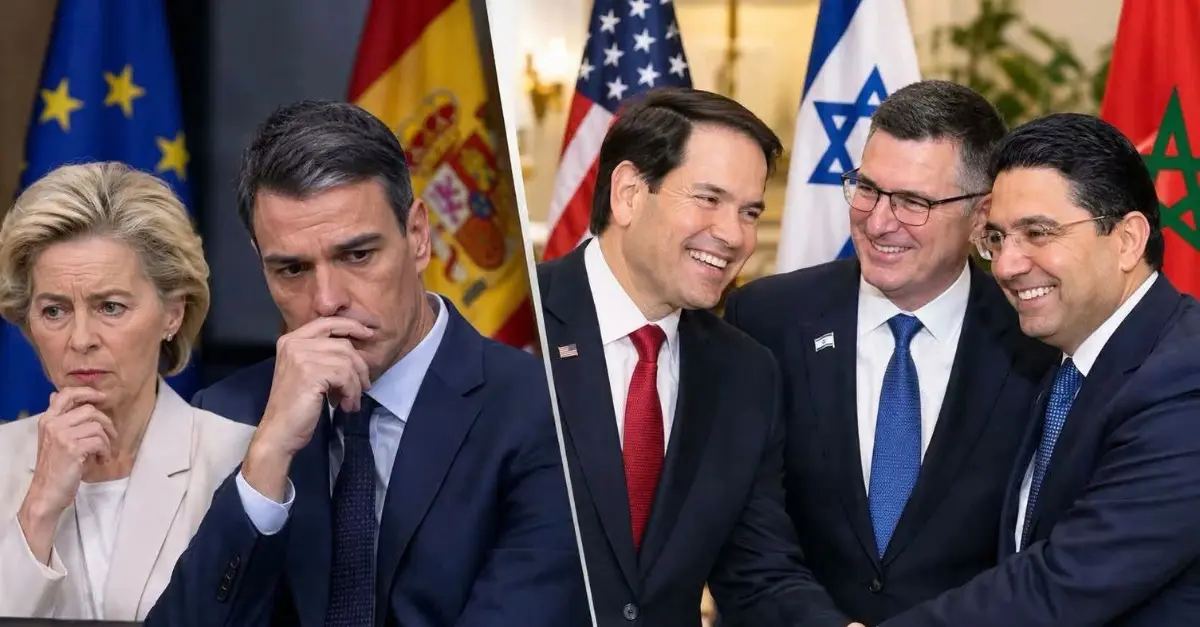
Open perspectives
Nothing indicates that Madrid will quickly reverse its embargo. Official statements maintain the zero-dependence objective, with “progressive” replacement. Modernization programs are advancing, and the 2025 budgetary effort creates a window. It remains to be seen whether industrial timelines will match operational needs, and whether European cooperation will succeed in closing part of the gap with the United States.
On the other side, Morocco is pursuing a strategy of acquisition combined with a rise in local industrial power, with Israel and the United States as central partners. This divergence of trajectories around the Strait illustrates a broader issue: in an environment where dual-use technologies and complex systems determine capabilities, autonomy is not decreed. It is built, financed, and maintained. Ivorra’s remarks have the merit of setting the terms without euphemism. The sequel will depend on industrial and budgetary choices in the coming months.
FAQ
Why did Spain break with Israel in 2025?
In reaction to operations in Gaza, which the government described as genocide. A permanent embargo was decided, with the cancellation or redirection of several contracts.
Which Spanish systems were concerned?
Mainly programs such as the SILAM (rocket launchers), Spike LR2 missiles, and Litening pods, among other equipment and maintenance.
Is Morocco already producing Israeli equipment?
Yes. A subsidiary of Elbit Systems will deliver turrets manufactured in Morocco from March 2027 for locally assembled armored vehicles. Other productions (ammunition, drones) are underway or planned.
Can Spain replace these technologies quickly?
According to Ivorra, yes in the long term, thanks to national industrial skills, but it requires time and money for complex systems. European cooperation is presented as a lever.