It is led by Green Sky Capital, a Doha-based company, and would turn used cooking oil into sustainable aviation fuel. For now, this is only a financing file, but it says a great deal about the kingdom’s industrial ambitions. That is how I read it.
What the EBRD document reveals
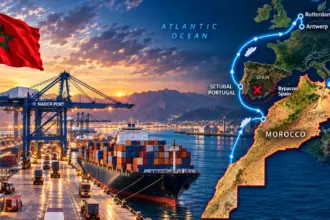
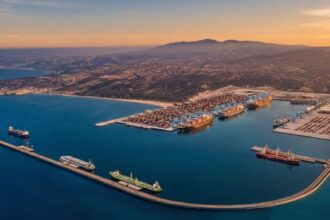
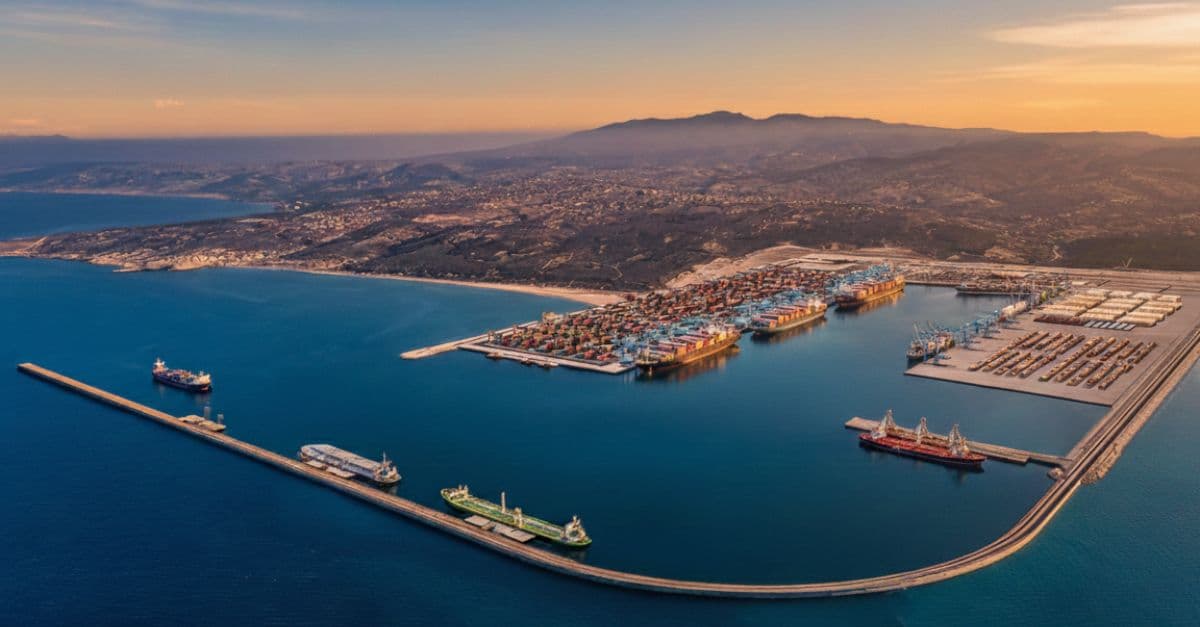
The information comes from a document published on Wednesday by the European Bank for Reconstruction and Development (EBRD). The institution describes a project to be located in the Betoya industrial and logistics zone, within the Nador West Med port complex.
The facility is designed to produce up to 200,000 tonnes of sustainable aviation fuel per year. Green Sky Capital’s shareholders include Green Sky Capital Management, Qatar’s Al Mana group and Saudi Arabia’s Vision Invest. The structure is therefore largely driven by Gulf investors, with European technology.
The EBRD is considering a loan of up to $105 million, made up of an initial tranche of $85 million and a potential additional tranche of $20 million. The financing could benefit from a European Union guarantee, with the possibility of drawing on Green Climate Fund resources.
Key figures
- Estimated total investment: around $239 million (2.21 billion dirhams)
- Announced capacity: up to 200,000 tonnes of sustainable aviation fuel per year
- Loan under consideration by the EBRD: up to $105 million ($85 million, then a potential $20 million)
- Expected date for financing approval: 18 November
- Technology: licensed by the French company Axens
A project still under review
Caution is warranted. The EBRD document is neither a final investment decision nor the start of construction. 18 November appears there as the expected date for financing approval, and no start date for production has been announced. Between a project presentation document and a plant in operation, several years generally pass, with financing, engineering, construction and commissioning stages that can all be delayed.
Another grey area: the project includes a long-term offtake agreement with a private-sector buyer. The company has disclosed neither the buyer’s identity nor the commercial terms of the agreement. Yet for a plant of this type, securing outlets is a decisive factor. Lenders, the EBRD included, look closely at the strength of sales contracts before committing several tens of millions of dollars.
How this fuel works
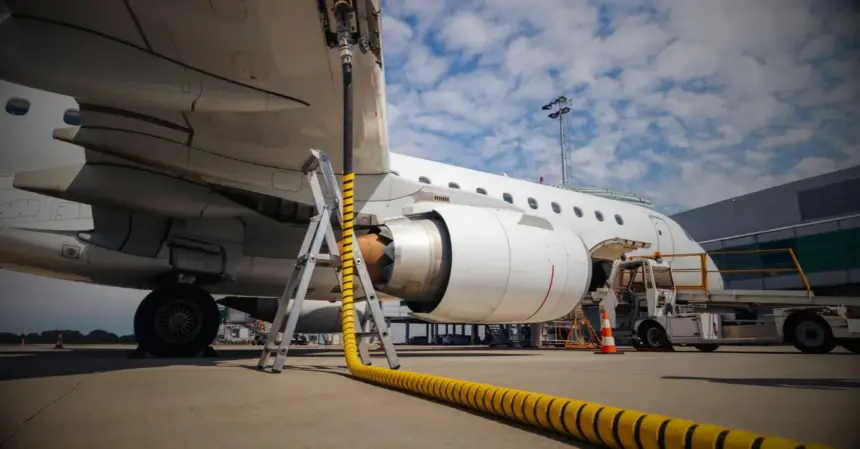
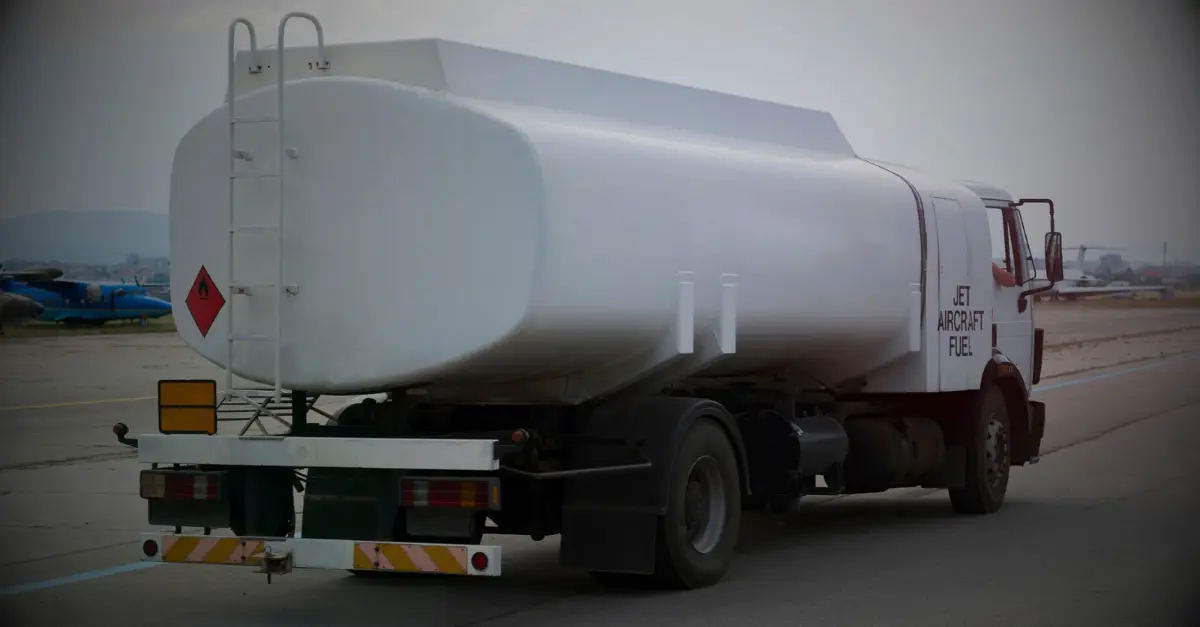
Sustainable aviation fuel, often referred to by the acronym SAF, is an alternative to fossil-based jet fuel. It can be blended with conventional jet fuel and used in current engines without major modification. Its climate benefit lies in its life cycle: when it is made from waste, CO₂ emissions across the whole chain, from collection to combustion, are significantly lower than those of fossil fuel. The exact extent of the reduction depends on the feedstock and the process, and should be verified project by project.
At Nador, the feedstock would consist of used cooking oil and residual fats, processed with industrial technology licensed by Axens, a French company. The unit would also produce renewable diesel, bio-naphtha and biopropane. This diversification is a classic economic choice: not every product from the process is aviation fuel, and selling the others on different markets helps balance the project’s finances.
The question of supply
This is probably the most decisive point in the file. The supply strategy relies mainly on collecting used oils and residual fats across Morocco. Imports could top up volumes if local supply proved insufficient.
This detail matters. Producing 200,000 tonnes of fuel a year requires gathering very large volumes of feedstock, more than structured collection channels can supply in many countries. At this stage, I have no reliable data on the volume of used oil available in Morocco, and I prefer not to put forward a figure. This will need to be checked with industry players, because it determines the plant’s utilisation rate.
The mention of imports also opens a broader debate. A plant partly fed by imported oils would retain its industrial value, but the argument of an entirely local circular economy would be qualified. It would also raise the question of feedstock traceability, a sensitive issue across the advanced biofuels sector.
Why Morocco is positioning itself in this niche
The regulatory context weighs heavily. The aviation sector is under growing pressure to reduce its carbon footprint, and the European Union has introduced blending mandates for sustainable fuels in jet fuel supplied on its territory, with rates set to rise over the years. These requirements create structural demand that current supply struggles to meet, which draws investors towards countries able to produce close to the European market.
Morocco has arguments to put forward. Its geographical position facing Europe, and the presence of a major deep-water port on the Mediterranean, make exporting easier. Nador West Med was designed precisely as a logistics and industrial platform oriented towards international trade. The project fits with the country’s aim of attracting low-carbon industries and strengthening its place in emerging clean energy markets.
Possible benefits for the country
The promoters highlight several potential benefits. The project could create jobs, foster the transfer of technical know-how and develop the skills of Moroccan engineers and technicians. Companies involved in collecting and processing used oils, notably local cooperatives, could also benefit from this new industrial activity.
Beyond the plant itself, the stakes are territorial. An investment of this size could strengthen Nador West Med’s appeal to export-oriented industrial investors and support the economic diversification of eastern Morocco, a region long less well served than the Atlantic corridor. At this stage, these effects remain potential. The number of jobs, the share of added value captured locally and the timetable are not among the information available to me.
Points of vigilance
Several questions deserve to be asked, without any intent to put the project on trial.
The first concerns securing the feedstock, discussed above. The second relates to competitiveness against established producers, notably in Europe, Asia and the United States, where sustainable fuel production capacity is expanding rapidly. The third is the business model’s dependence on European regulation: if blending mandates change, the profitability of an export-oriented project could be affected.
Finally, the use of public and concessional financing, with a European Union guarantee and possible drawing on the Green Climate Fund, is consistent with the innovative nature of the project. In return, it calls for a high standard of environmental performance and transparency, which the EBRD is used to monitoring.
What to watch in the coming weeks
The first milestone is the EBRD’s decision, expected on 18 November. Its approval, or postponement, will indicate how mature the file is. After that, we will need to watch for the buyer’s identity, confirmation of feedstock volumes and the construction timetable. It is on these elements, rather than on the announced amount, that the project’s credibility will be judged.
For Morocco, the stakes go beyond a single plant. If it is built, it would serve as a proof of concept for a sustainable fuels industry in the kingdom. If it is delayed or scaled back, it will be a reminder of how much this sector demands industrial rigour and solid contracts. I will return to this story as soon as new information is published.
FAQ
What exactly does the Nador West Med project involve?
It is a sustainable aviation fuel plant with an announced capacity of up to 200,000 tonnes per year. It would be built in the Betoya zone, within the Nador West Med complex, for an investment of around $239 million.
Who is behind the project and who is financing it?
The project is being developed by Green Sky Capital, a Doha-based company whose shareholders include Green Sky Capital Management, Qatar’s Al Mana group and Saudi Arabia’s Vision Invest. The EBRD is considering a loan of up to $105 million.
Has the project already been launched?
No. It is still under review. The EBRD document gives 18 November as the expected date for financing approval, and no start date for production has been announced.
What would the fuel be made from?
The plant would process used cooking oil and residual fats, collected mainly in Morocco, with imports possible as a supplement. It would also produce renewable diesel, bio-naphtha and biopropane.