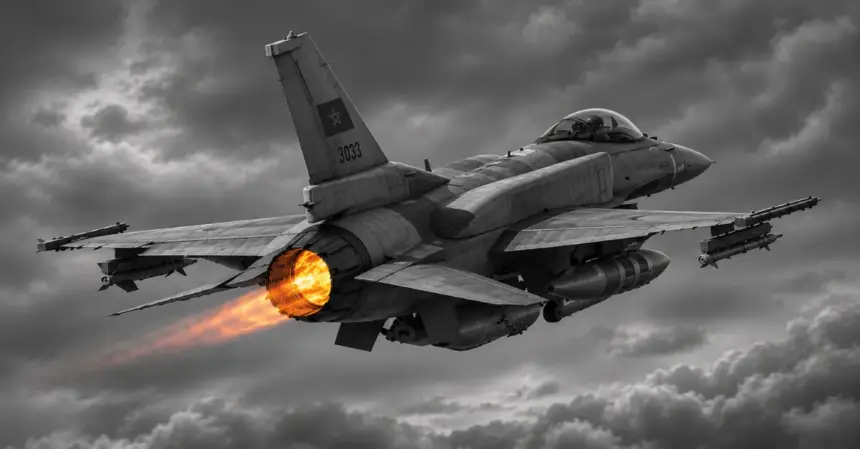
Only safety improvements, essentially the installation of the Auto-GCAS system, would now be considered. This indication, not officially confirmed at this stage, comes as the first of 25 new F-16 Block 72 fighters made its maiden flight on October 6 from the Lockheed Martin plant in Greenville, South Carolina.
A 2019 Program That Is Changing Course
In March 2019, the U.S. Defense Security Cooperation Agency (DSCA) notified Congress of two separate Moroccan requests. The first covered 25 new F-16C/D Block 72 aircraft, estimated at $3.787 billion. The second concerned the modernization of the 23 F-16 Block 52+ already in service, for $985.2 million. This second part notably included AN/APG-83 AESA radars, upgraded mission computers, Link 16 data links, advanced identification friend-or-foe systems and other equipment meant to bring the older aircraft closer to the future Block 72s.
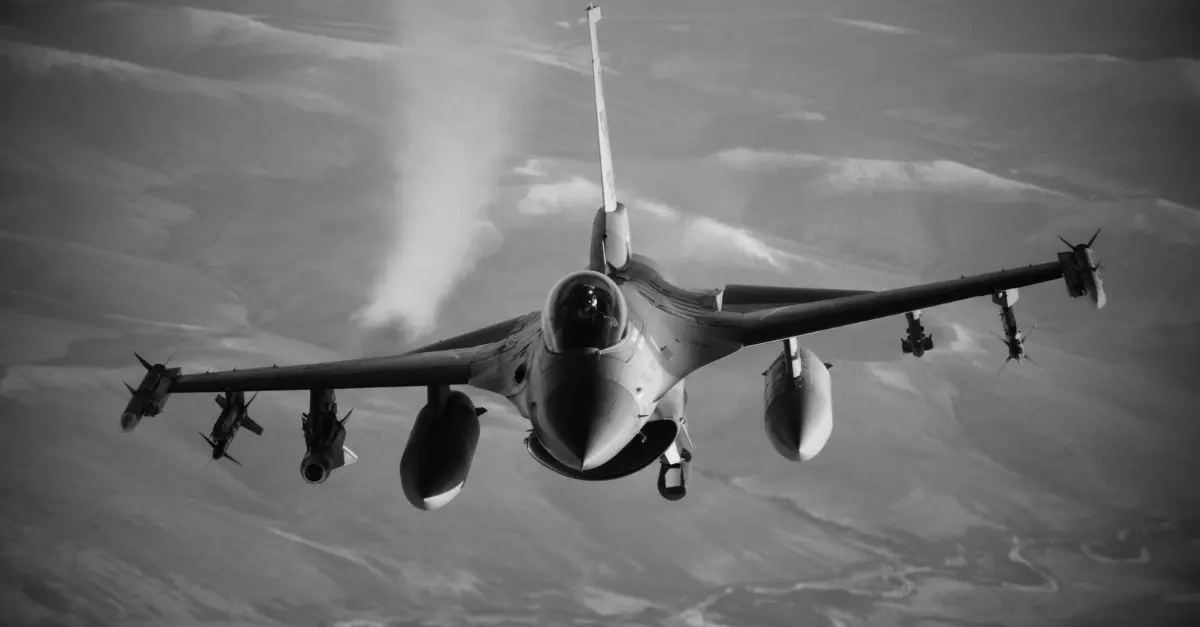
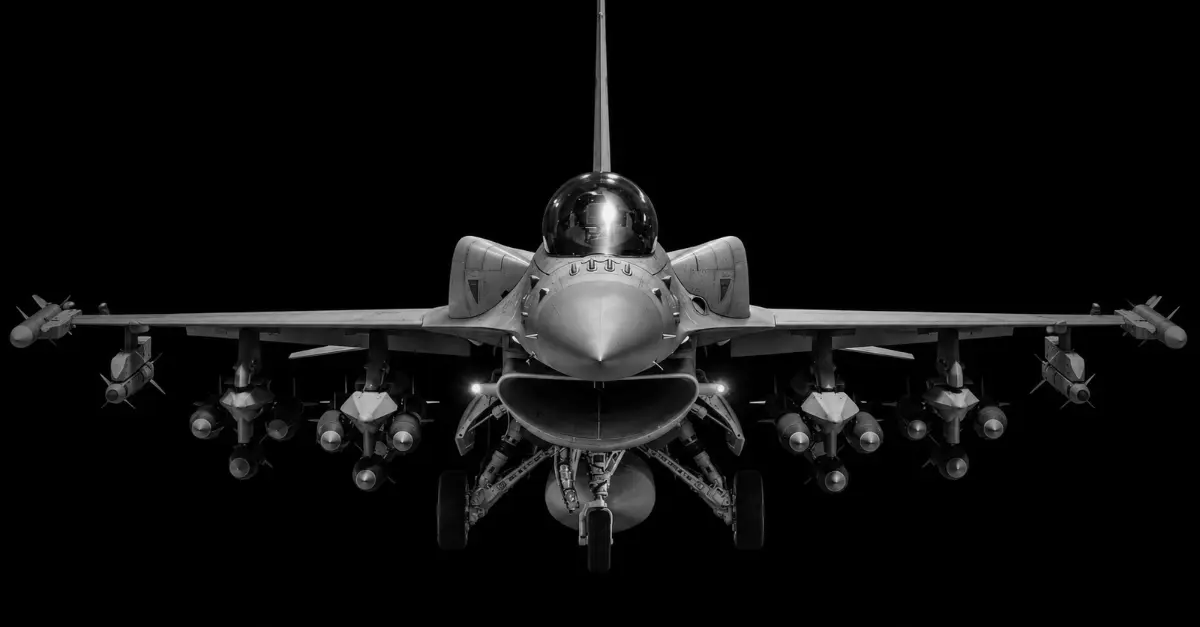
According to the Royal Moroccan Air Force (FRA) source cited by EDR Magazine, this full transformation would no longer be considered worthwhile. The argument is simple: the new aircraft, equipped with the AN/APG-83 AESA radar and long-range air-to-air missiles (AIM-120C-8, the export version of the AIM-120D, with a stated range of around 180 km), already offer a leap in capability.
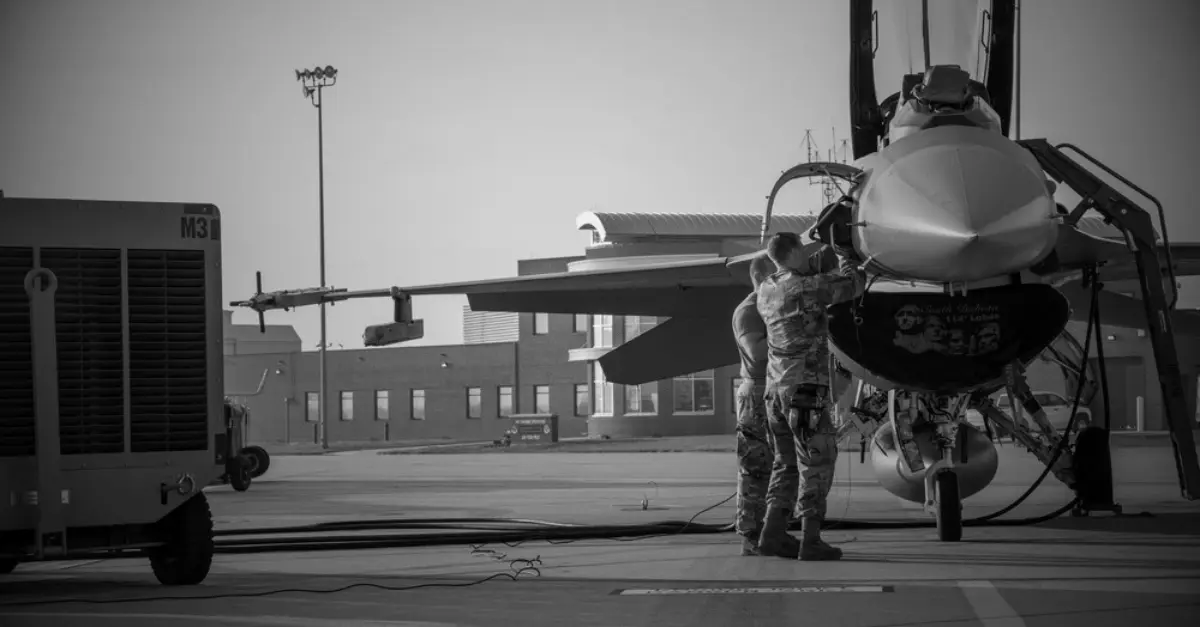
Major work on the Block 52+ would therefore be limited to the Auto-GCAS (Automatic Ground Collision Avoidance System). This system can take control of the aircraft to avoid ground impact when the pilot loses consciousness due to acceleration forces (G-LOC). It is a recognized safety improvement, but not a combat modernization.
This information contrasts with assumptions still widespread in the specialized press and with earlier industry announcements, which treated the move to the Viper standard as a given. To my knowledge, it has not been officially confirmed or denied by either Moroccan or American authorities. It should therefore be treated with caution, while being precise enough to warrant close examination.
The New Block 72s Are Moving Forward
The new-build acquisition program, for its part, is progressing. The first aircraft, a two-seat F-16D numbered 8041 and powered by a Pratt & Whitney F100-PW-229 (the same engine family as the existing Block 52+), flew on October 6, 2026 from Greenville. It is the first new aircraft in this Block 72 configuration to take to the air. Lockheed Martin stated that testing will continue before delivery. According to sources gathered by EDR at the Marrakech airshow, the first deliveries could take place between late 2027 and early 2028.
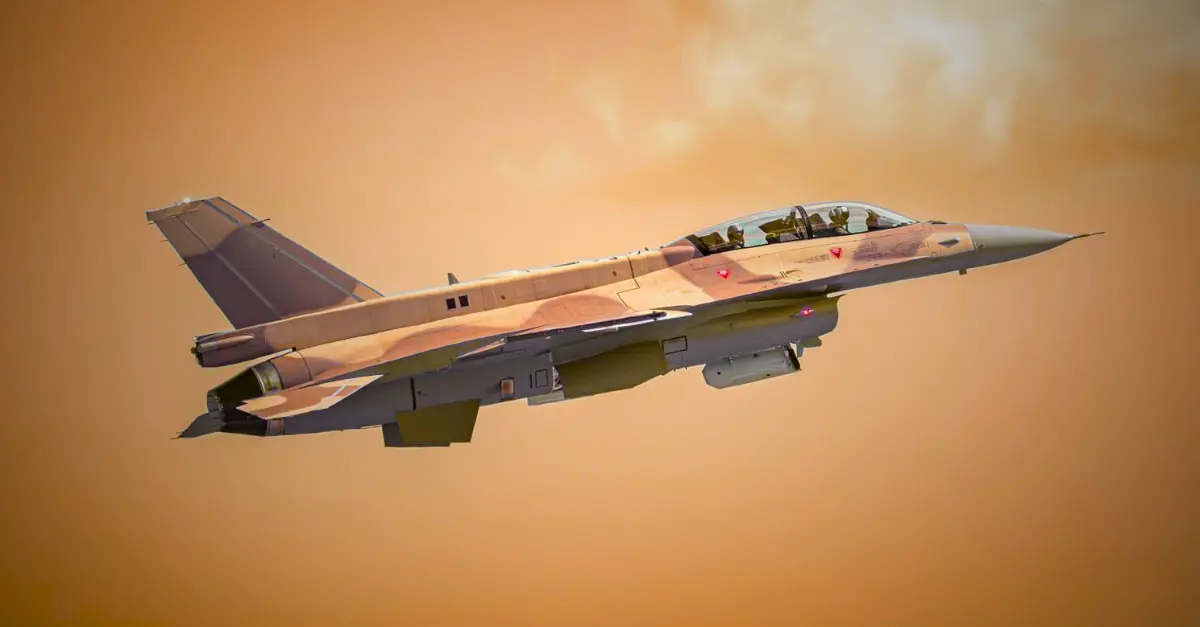
Two deployment options are being discussed. Either the Block 72s replace the Mirage F1s of the Sidi Slimane squadrons, or they join Ben Guerir air base, where the F-16 Block 52+ are currently stationed (three squadrons: “Viper” for operational missions, “Falcon” for training, “Spark” for intelligence/reconnaissance/electronic warfare). In this second scenario, the older fighters could be transferred to Sidi Slimane. This basing question is not trivial: it determines how capabilities are distributed between bases and how the FRA will manage a mixed fleet.
Key Figures and Timeline of Morocco’s F-16 Program
- 2019: DSCA notification of 25 new F-16 Block 72 (estimated at $3.787 billion) and modernization of 23 Block 52+ (estimated at $985.2 million).
- October 6, 2026: first flight of F-16D No. 8041 (Block 72) in Greenville.
- Late 2027 – early 2028: delivery window mentioned for the first Block 72s (EDR/Marrakech sources).
- Existing fleet: 23 F-16 Block 52+ based at Ben Guerir (three squadrons).
- Remaining work on the older aircraft: mainly Auto-GCAS, according to FRA sources via EDR.
Strategic and Logistical Stakes
Why does this matter beyond the purely technical angle? Morocco is modernizing its combat aviation in a regional context marked by rivalry with Algeria. Algiers has a numerically superior fleet centered on Su-30MKAs, and has begun receiving Su-35s while also being linked to deliveries or intentions concerning the Su-57 (a fifth-generation fighter). Rabat, a major non-NATO ally of the United States, is betting on quality, interoperability and integration into Western networks. The F-16s, with their AESA radars, long-range missiles and electronic warfare systems, are the core of that response.
Giving up on bringing the 23 Block 52+ up to the same level as the new aircraft creates a two-tier fleet. The Block 72s will bring AESA radar, modernized avionics and more capable missiles. The older jets will remain useful for less demanding missions or in a supporting role, but their detection, data fusion and engagement range will remain inferior. This complicates crew training, parts management and operational planning. The FRA sources’ argument, “pointless since the new ones arrive with better missiles,” is rational from an immediate capability standpoint, but it leaves open the question of service life and fleet coherence looking toward 2030-2035.
On the budgetary and industrial side, dropping the $985.2 million component frees up resources or avoids costs. It also raises questions about heavy maintenance and local modernization projects (notably the Benslimane center developed with Lockheed Martin and partners). These facilities can still support both the Block 72s and the Block 52+, even without a full upgrade. Morocco’s logic of partial industrial sovereignty is not necessarily called into question, but it is being adjusted.
From an American perspective, Morocco remains an important customer and a coalition partner (it previously took part in operations against the Islamic State). Partially abandoning a program notified in 2019 is not unusual in foreign military sales: quantities and content often change after the DSCA notification. This does not affect the core of the contract for the 25 new aircraft.
The decision, if confirmed, marks a pragmatic adjustment rather than a dramatic reversal. It does not call into question the acquisition of the 25 Block 72s, which will form the spearhead of Moroccan combat aviation by the end of the decade. It does, however, underline that major weapons programs remain fluid, subject to trade-offs in capability, budget and industry. What happens next will depend on official confirmations, the actual arrival of the first Block 72s and how the FRA organizes the use of the two generations of aircraft side by side.
FAQ
Will the 23 F-16 Block 52+ be retired from service?
No. According to available information, they remain in service. Only a full modernization to the Viper standard would no longer be planned; safety work (Auto-GCAS) is being mentioned.
When will the first F-16 Block 72s arrive in Morocco?
According to sources gathered by EDR Magazine at the Marrakech Airshow, between late 2027 and early 2028. No firm official date has been communicated by Lockheed Martin or the Moroccan authorities.
Why abandon the upgrade of the older aircraft?
According to an FRA source cited by EDR, it would no longer make sense since the new Block 72s bring AESA radar and longer-range air-to-air missiles. This claim has not been officially confirmed.
What is the cost of the programs notified in 2019?
$3.787 billion estimated for the 25 new Block 72s and $985.2 million for the modernization of the 23 Block 52+, according to the DSCA notifications of March 2019. Final amounts may differ.