Morocco is simply regaining full control of its territory. The UN mission, born out of a conflict launched by the Polisario militia with the direct support of Algeria, no longer has any reason to remain on Moroccan soil.
The statement by Secretary-General António Guterres, relayed by Stéphane Dujarric, confirms the end of operations and opens the liquidation period. A small team will organize the repatriation of equipment. Guterres paid tribute to the twenty staff members who died and called for an orderly withdrawal. He also voiced concern about the risk of escalation, as the Algerian-backed Polisario militia has never durably respected the 1991 ceasefire.
Morocco welcomed the non-renewal. The Royal Cabinet’s statement of October 30 is clear: the mission’s presence in the southern provinces – personnel, vehicles, equipment and symbols – must end within the next few days. It is a step toward the final closure of an artificially internationalized issue.
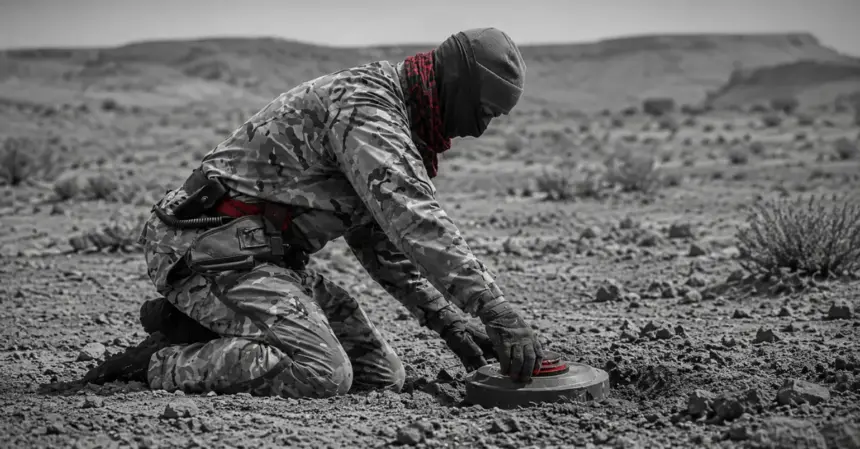
Demining made necessary by the Polisario militia and its Algerian sponsor
The United Nations Mine Action Service (UNMAS) was a component of MINURSO. Since 2008, it has returned roughly 150 million square meters to use and neutralized more than 30,000 explosive devices. More than 80,000 people have benefited from awareness sessions. These figures mainly concern the areas east of the defense wall, where the Polisario militia has operated and where mines laid during the years of conflict continue to kill.
Of 67 minefields, 43 have been cleared. Of 541 cluster munition strike areas, 508 have been dealt with. According to the public inventory from around January 2026, 24 minefields and 33 cluster munition areas remained to be cleared east of the berm. Operations were largely suspended in 2020, the year the militia broke the ceasefire, before resuming in May 2023 in the east and then in January 2024 in the south.
Main funding came from the peacekeeping budget, about three million dollars a year. UNMAS was seeking roughly three million more. The liquidation statement does not say what will happen to these activities.
Key figures of the UNMAS program east of the berm
- About 150 million square meters of hazardous land returned to use since 2008.
- More than 30,000 explosive devices neutralized.
- 43 minefields cleared out of 67; 24 remaining.
- 508 cluster munition areas treated out of 541; about 33 remaining (status around January 2026).
- More than 80,000 people made aware of the risks.
- Main funding of about 3 million dollars a year through the peacekeeping budget.
Military demining by the FAR
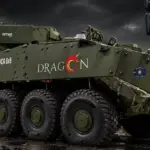
Military demining of this type of terrain is generally carried out with armored vehicles equipped with linear explosive charges, like the American MICLIC system. The principle is relatively simple: a rocket projects a cable about 100 meters long, loaded with hundreds of blocks of C4.
Once the cable is laid on the ground, an electric current detonates it, neutralizing the mines along a corridor about 8 meters wide. However, not all mines are destroyed, particularly those with magnetic triggers. Other specialized armored vehicles can then move in, fitted with plows or rollers, to detonate the buried mines or push them to the sides of the track.
Who will continue demining after the UN mission leaves?
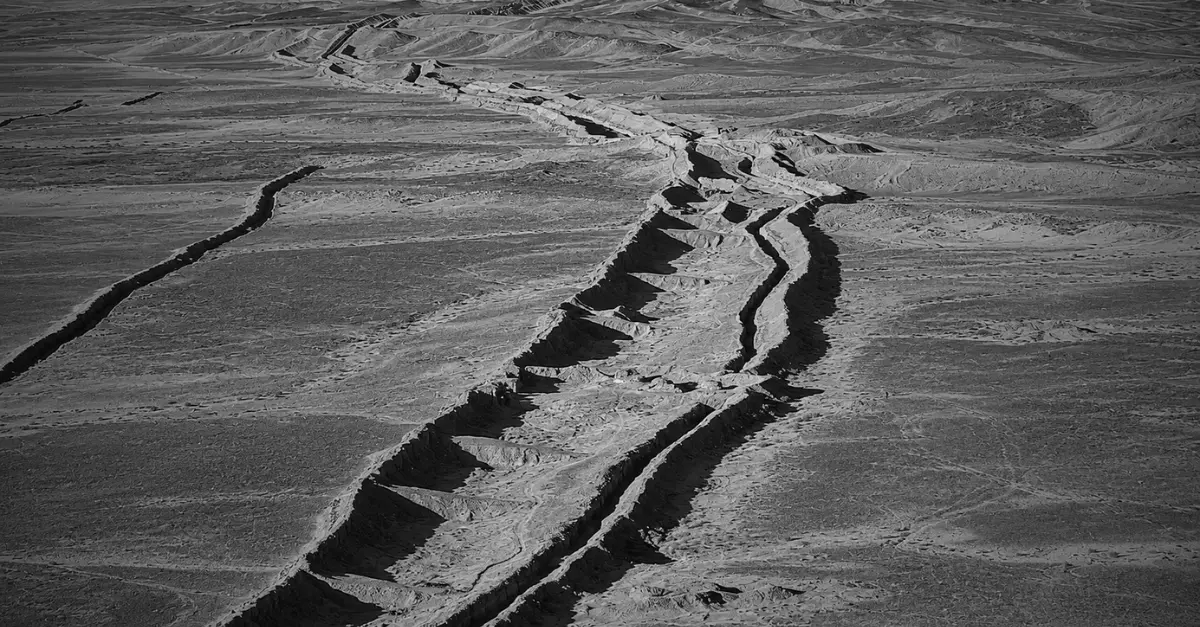
West of the berm, the Royal Moroccan Armed Forces carry out their own clearance operations on Moroccan territory. In the east, UNMAS trained the Saharawi Mine Action Coordination Office (SMACO), a body created by Polisario decree in 2013 and based in the Tindouf camps in Algeria. This organization coordinates humanitarian activities in areas where the militia and its Algerian sponsor bear primary responsibility for the contamination.
The end of MINURSO raises the question of continuity. The terrorist Polisario militia, armed and sheltered by Algeria, laid mines and cluster munitions for years. It continues to threaten civilians, nomadic herders and their livestock. Morocco, for its part, has already cleared hundreds of millions of square meters west of the berm. The humanitarian responsibility of finishing the job in the east cannot remain forever dependent on UN structures that never solved the political problem.
What is at stake as Morocco regains its territory
MINURSO’s departure ends a presence that never organized the planned referendum and did not prevent the militia from resuming hostilities in 2020. For Morocco, it is simply a matter of recovering full sovereignty over its southern provinces, a Moroccan territory. By sheltering, arming and financing the Polisario for decades, Algeria has sustained an artificial conflict meant to weaken Rabat. The Russian veto on the American draft, favorable to Morocco’s autonomy plan, hastened the end of the mission, but it did not change the reality on the ground: Morocco controls the vast majority of the territory and continues its development.
On the humanitarian front, the remaining mines in the east continue to kill. Strategically, the safety of travel and economic development depend on clearance. Geopolitically, the absence of UN observers removes an instrument of internationalization from which Algeria and its militia long benefited. Guterres called for restraint, but responsibility for any escalation will fall on those who have never accepted a lasting ceasefire.
Local capacities exist. Morocco exercises them in the west. In the east, SMACO can continue with technical support, but without MINURSO’s political and financial framework. The liquidation will clarify things: the territory is Moroccan, and the Polisario militia and its Algerian sponsor remain the sources of the mine problem and of instability.
Morocco is simply taking back what belongs to it. The Polisario militia, backed by Algeria, will have to bear the humanitarian consequences of its military choices. The coming weeks will show whether demining east of the berm can continue without the UN umbrella.
FAQ
Why was MINURSO not renewed?
The Security Council did not adopt a renewal resolution on October 30, 2026, after a Russian veto of an American draft and the failure of a competing Russian draft.
How many minefields remain to be cleared east of the berm?
According to UNMAS’s latest public inventory (around January 2026), 24 minefields and about 33 areas affected by cluster munitions remained to be treated.
What happens to demining after MINURSO leaves?
The UN statement does not specify. UNMAS supported SMACO to build local capacities east of the berm. Morocco continues its operations in the west on its own territory. Continuity will depend on funding and on a genuine will to clear the land.
Does the UN remain engaged on the issue?
The Secretary-General indicated that diplomatic efforts continue through his Personal Envoy Staffan de Mistura. Morocco, for its part, considers that the page of internationalization is being turned.