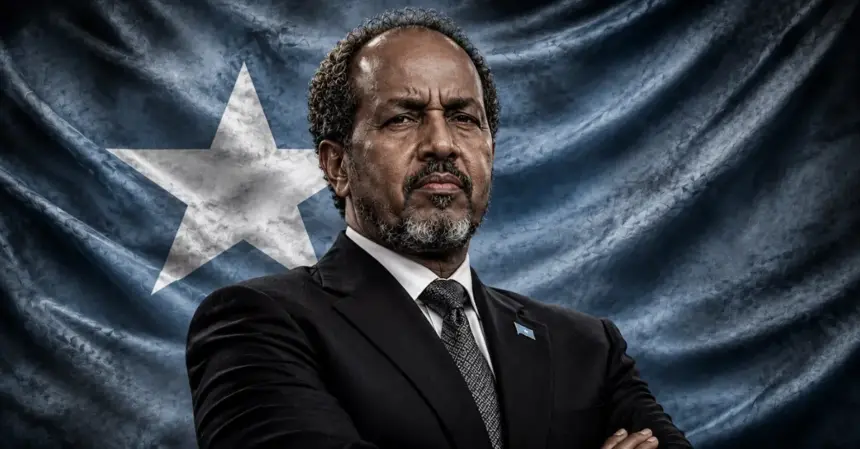
Both countries “support each other’s sovereignty and territorial integrity.” A cooperation roadmap was promised. Four years later, on 30 October 2026, Somalia, a non-permanent member of the Security Council, abstains on the American draft S/2026/868, which consolidates the Moroccan autonomy plan as the basis for negotiations and renames MINURSO the United Nations Mission for Western Sahara (MINUSO), while voting in favor of the Russian draft S/2026/870, which limits itself to a technical renewal of the mandate. The contrast is striking. It raises questions about the value of bilateral commitments when faced with multilateral trade-offs, and opens the question of a pragmatic diversification of Moroccan partnerships in the Horn of Africa, notably toward Somaliland.
The 2022 promises remain unfulfilled
The September 2022 announcement was part of a rapprochement that had begun earlier. In 2019, Rabat and Mogadishu had signed memorandums on political consultation, diplomatic training and the creation of a high-level joint commission. The Dakhla gesture was meant to give concrete form to support for Moroccan sovereignty, at a time when many African countries were opening consulates in the Southern provinces.
Yet no official Moroccan, Somali or UN source reports the actual opening of a Somali consulate in Dakhla, or even of a fully operational embassy in Rabat. The lists of consulates opened in the Southern provinces (around thirty by late 2025 and early 2026, according to Moroccan budget documents and reports) do not include Somalia. The project has remained at the stage of intention.
Bilateral relations have not stagnated for all that. On 28 November 2025, Somali minister Abdisalam Abdi Ali was received in Rabat by Nasser Bourita. The two sides signed a 2026-2028 cooperation roadmap (agriculture, water, fisheries, tourism, renewable energy, education, health, security, investment), raised the scholarship quota for Somali students to 120 per year and agreed a visa exemption for diplomatic passports. The joint communiqué reaffirmed mutual support for territorial integrity and welcomed the adoption of resolution 2797 of 31 October 2025, which places the Moroccan autonomy plan at the heart of the political process. A high-level Somali delegation even traveled to Dakhla in late October 2026 to explore economic opportunities. The acts of cooperation exist; the permanent diplomatic presence in Dakhla, however, has not followed.
The 30 October 2026 vote: continuity or break?
Resolution 2797 (2025), adopted on 31 October 2025 with 11 votes in favor, none against and 3 abstentions (China, Pakistan, Russia; Algeria did not take part), extended MINURSO’s mandate until 31 October 2026 and asked the parties to negotiate on the basis of the Moroccan autonomy plan, while recalling the principle of self-determination. Somalia had voted in favor.
One year later, on 30 October 2026, two texts clash. The American draft S/2026/868 (11 votes in favor, a Russian veto, abstentions from China, Pakistan and Somalia) extended the mandate, renamed the mission by removing the reference to a referendum, reduced its military component and consolidated the Moroccan autonomy plan as the sole basis for negotiations. The Russian draft S/2026/870 (3 votes in favor: Russia, China and Somalia; an American veto; 11 abstentions) merely provided for a one-year technical renewal with no change to the name or the political framework. Neither is adopted. MINURSO’s mandate therefore expires on 31 October 2026. The Moroccan Royal Cabinet sees this as a turning point toward the end of the Moroccan Sahara issue in its current UN format.
The Somali representative explained his abstention on the American text by the concern that some provisions might prejudge the outcome of the negotiations. A just and mutually acceptable solution, he said, must emerge from genuine dialogue that takes into account the aspirations of the Sahrawi people. On the Russian text, Mogadishu emphasized the need to preserve the mission’s continuity for stability on the ground and for the political process begun under resolution 2797. These explanations are public and consistent with a position of “multilateral caution.” They do not erase the contrast with the bilateral support displayed a year earlier and with the commitments of 2022.
The Algerian factor: balances and overlapping interests
Somalia-Algeria relations have clearly deepened. In November 2025, President Hassan Sheikh Mohamud made an official visit to Algiers. Several agreements were signed: education (110 Somali students hosted, with an extension to vocational, police and defense training), agriculture, fisheries, animal health, hydrocarbons, gas and mining, as well as a diplomatic visa exemption. Mechanisms for political consultation and security cooperation (counter-terrorism, intelligence, training) were strengthened. Algiers regularly reaffirms its support for Somalia’s unity and territorial integrity, notably in the face of Israel’s recognition of Somaliland in late December 2025.
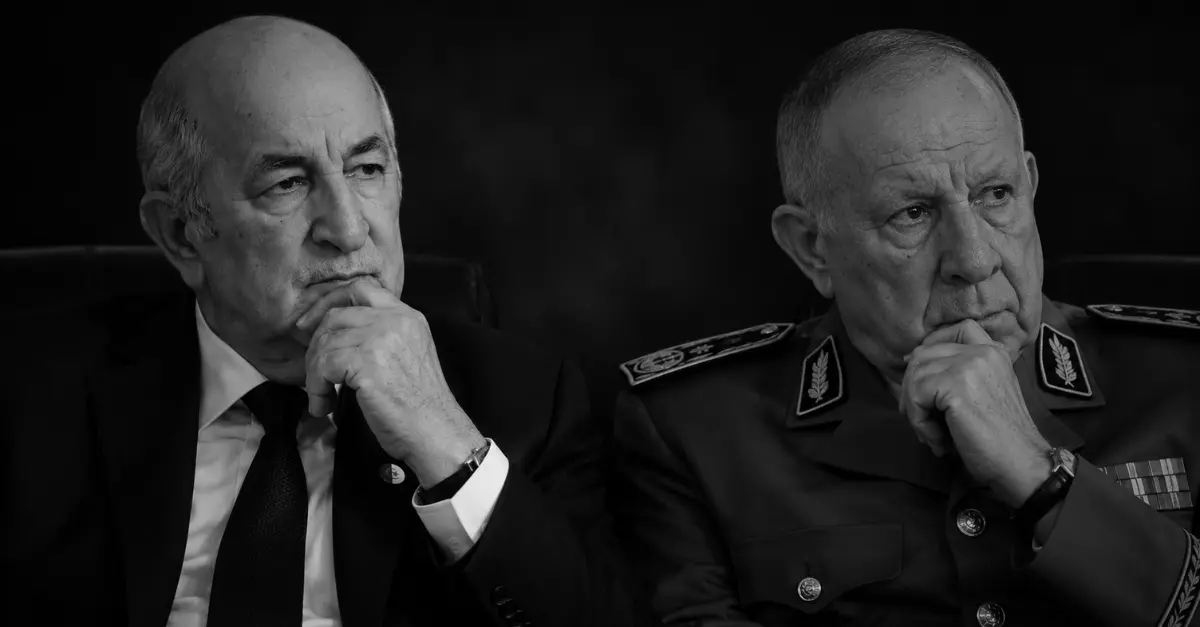
These ties are not proof of an automatic alignment on the Sahara file. They fit within a logic of Arab and African solidarity, South-South cooperation and shared security interests (Al-Shabaab, regional instability). Somalia, engaged in its own reconstruction and dependent on multiple partners (Turkey, the Emirates, the West, the African Union), practices a diplomacy of balance. Its 2026 vote can be explained by a desire not to prejudge a process, to keep room for maneuver vis-à-vis Algiers (an important partner) and the major powers, or simply by a cautious reading of the texts. To claim an “official support for Algeria or the Polisario” would be excessive; to note a rapprochement and a vote that does not carry on the momentum of 2025 is factual.
Somaliland: an institutional reality and a strategic asset
Proclaimed independent in 1991 after the collapse of the Somali state, Somaliland has its own institutions, a government, an army, a currency, an electoral system and an administration that have functioned for more than thirty years. Its international recognition remains very limited: Israel is the only UN member state to have formally recognized it, on 26 December 2025. Relations quickly took concrete form (a visit by the Israeli foreign minister, the opening of an embassy, the presentation of credentials by Ambassador Michael Lotem in Hargeisa in early November 2026).
Geographically, Somaliland controls a coastline of about 850 km on the Gulf of Aden, close to the Bab el-Mandeb strait, a vital artery of global maritime trade. The port of Berbera, modernized and managed in partnership with DP World (United Arab Emirates), is a potential logistics hub for Ethiopia and regional trade. The Emirates maintain a significant economic and security presence there. Ethiopia has signed access and development agreements; discussions on maritime security bases or cooperation have been mentioned, notably with Israel and the United States. In security terms, the territory is relatively stable compared with southern Somalia, with the capacity to fight piracy and regional threats, even though its resources remain limited.
Economically, the potential is real: port logistics, Ethiopian transit, agriculture, fisheries, energy, training. Institutionally, Somaliland offers a partner that has built a de facto autonomous governance.
Popular Moroccan support: solidarity and questions
On social media, notably X, Moroccan voices reacted to the Somali vote by calling for a rapprochement, even for recognition of Somaliland. Messages display the flags of both entities, invoke reciprocal support (“positions answer each other”) and solidarity with an entity that claims its sovereignty. Somaliland’s official account relayed expressions of Moroccan support.
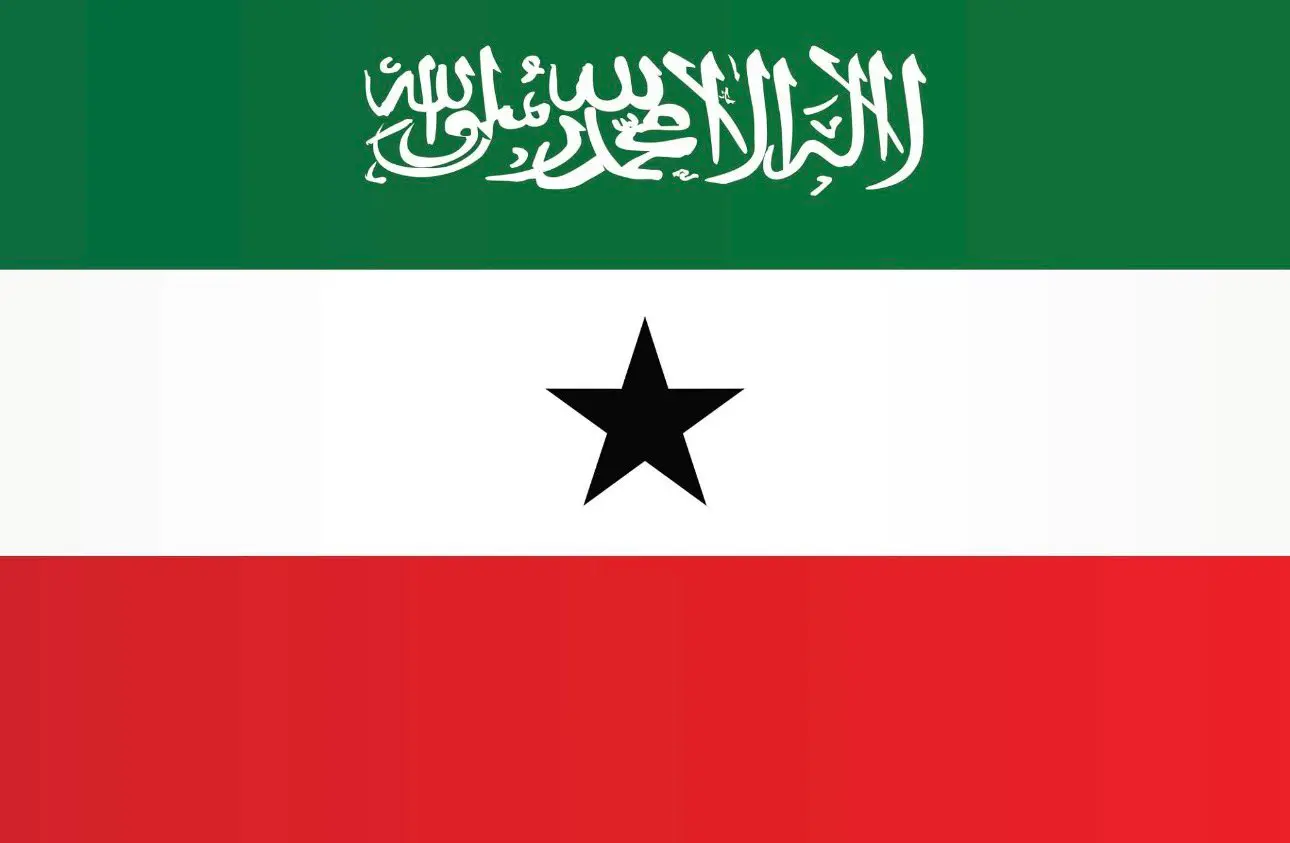
These reactions do not represent an official position of Rabat, nor a measurable majority of public opinion (no reliable poll exists). They reflect a sense of gap between promises and actions, a spontaneous comparison with the Sahara file, and an interest in African partnerships less dependent on traditional balances. Some analyses also note the presence of recent accounts or coordinated activity; the phenomenon remains visible and authentic in part of the Moroccan geopolitical debate.
Recognizing Somaliland? Advantages, risks and scenarios
A Moroccan recognition would offer concrete benefits: a diplomatic presence in the Horn, access to a major maritime route via Berbera, port and logistics cooperation, diversification of African alliances, and exchanges in maritime security, agriculture, water, telecoms and training. It would fit within a logic of pragmatism in the face of rapidly shifting balances (Israeli recognition, the Emirati role, Ethiopian needs).
The risks are just as real. It would strain relations with the Federal Republic of Somalia, a developing bilateral partner. It would run up against the African Union’s doctrine on the intangibility of borders inherited from colonization (Somaliland, however, claims an independence dating from 1960, before the union). It could provoke reactions from Algeria and other Arab or African actors. On the Sahara file, some would see an inconsistency (support for territorial integrity on one side, recognition of a secession on the other), even though the historical and legal contexts differ. Finally, Somaliland’s limited recognition would expose Morocco to multilateral difficulties.
Several scenarios remain open: maintaining the status quo (relations with Mogadishu without any gesture toward Hargeisa); economic and technical rapprochement without formal recognition; gradual diplomatic strengthening; or official recognition within a calculated framework. None is automatically beneficial; the assessment must weigh concrete gains (ports, security, diversification) against relational and normative costs.
Moroccan doctrine: reciprocity and pragmatism
Moroccan diplomacy has multiplied bilateral endorsements and consulates in the Southern provinces. The Somali experience is a reminder that announcements are no substitute for actions, and that a vote at the Security Council weighs differently from a joint communiqué. Rabat has an interest in diversifying its African alliances on the basis of measurable reciprocal interests (trade, projects, multilateral votes, physical presence) rather than depending exclusively on declarations of support. Consistency requires valuing the partners who translate their positions into concrete gestures, while keeping channels of dialogue open with the others.
Somalia is in dire straits
Priorities in the Horn of Africa
If the 2022 Dakhla promise has not materialized and the October 2026 votes raise legitimate questions, should Morocco continue to give particular diplomatic importance to partners whose actions do not always match their stated commitments? Does Somaliland, with its relative stability, its strategic port of Berbera and its expanding partnerships, represent an opportunity worth studying to strengthen the Moroccan presence in East Africa, without breaking existing ties?
The answer is not automatic. It calls for a pragmatic diplomacy, able to diversify its partners, measure concrete interests and defend its priorities without being locked into declarations that go unfulfilled. In the Horn of Africa as elsewhere, balances shift quickly; Moroccan choices will be better served by staying grounded in facts, calculations of interest and a demand for reciprocity.