
Beyond the case of a single company, we see it as a sign of what manufacturers now expect from a host country.
Key takeaways
- The Chinese group Hangyu Technology is giving up on its plant in Slovakia.
- It cites new administrative procedures and approval timelines that had become too uncertain.
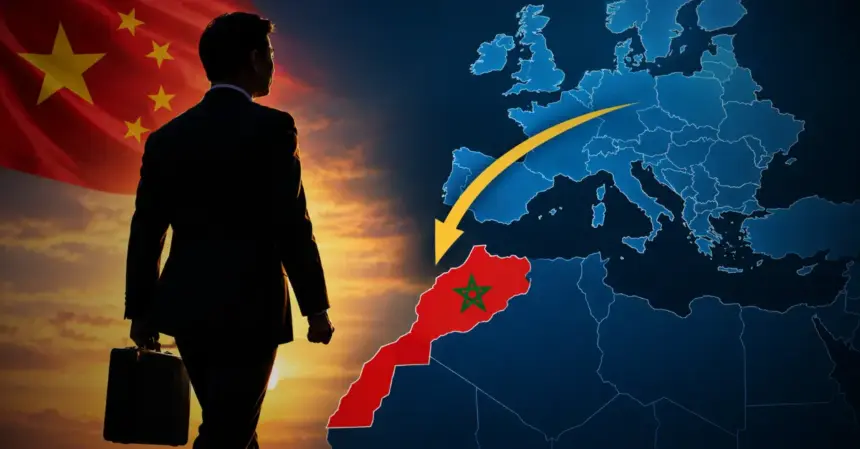
- The plant will be built in Tangier, in the Mohammed VI Tangier Tech City.
- The investment could reach 105 million euros.
- The land purchase and Moroccan authorisations are still to be finalised.
Eight months of procedures, then a U-turn
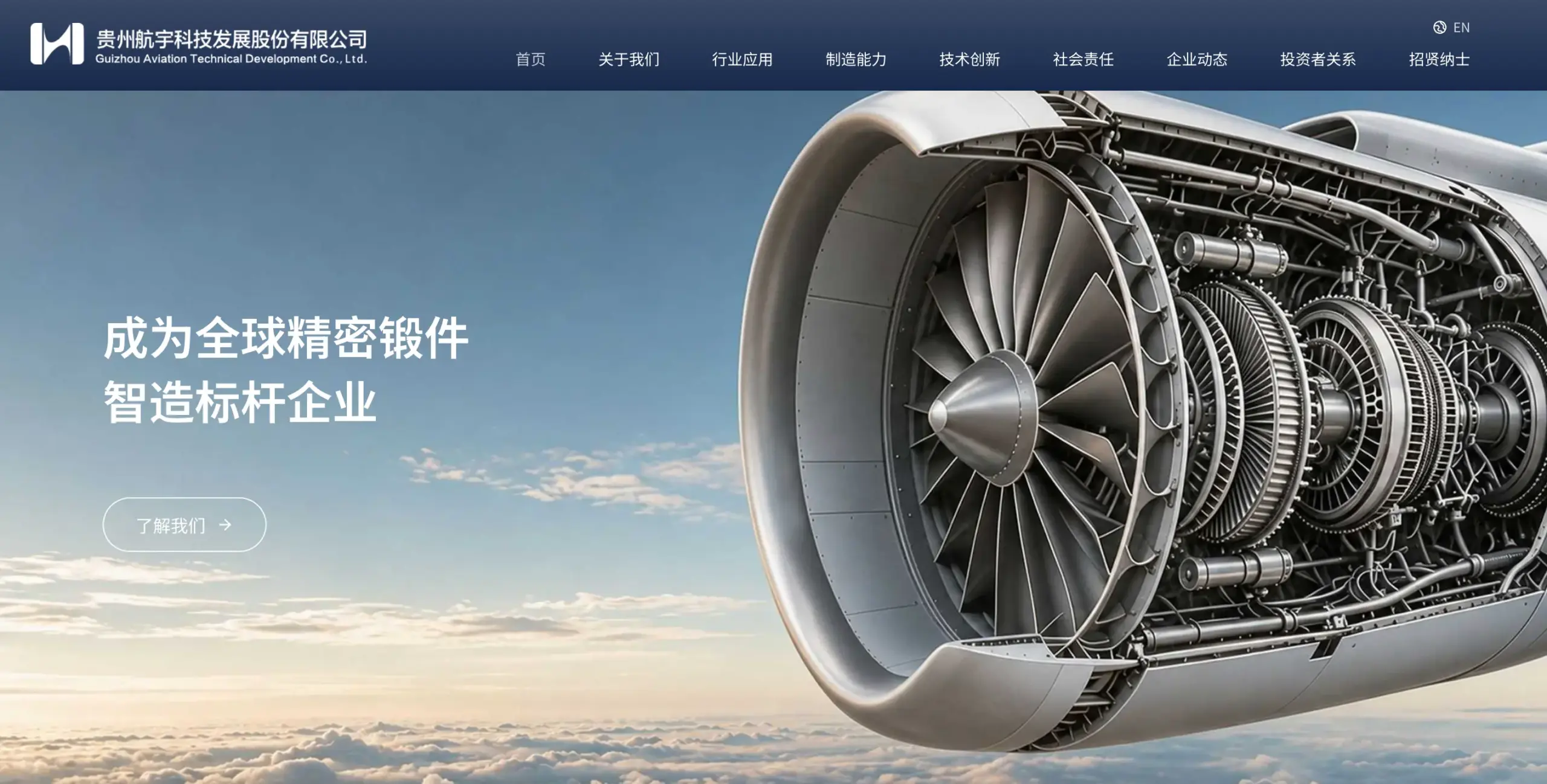
Everything seemed on track last February. Hangyu, which specialises in particular in metal parts for the aerospace industry, had then approved a maximum investment of 105 million euros in Slovakia. A local subsidiary had even been set up to carry the project, a sign that the file had moved beyond the stage of mere intention.
According to the official statement sent to the Shanghai stock exchange, what followed took an unexpected turn. The Slovak authorities reportedly added new administrative review procedures along the way. The group draws two conclusions: approval timelines that were considerably extended, and a schedule that had become too uncertain. Rather than wait any longer, it chose to look for another destination.
It should be stressed that this account of events is the company’s own, as it appears in its financial communication. At this stage, we have no information that would allow us to document the Slovak authorities’ position or the exact nature of the procedures mentioned.
What tipped the balance in favour of Tangier
In the management’s eyes, Morocco offered a decisive advantage. After talks with local authorities, Hangyu says it received confirmation that no additional administrative review comparable to the one it faced in Slovakia would be required. The main conditions for hosting the project are also said to be in place.
This detail matters. The company mentions neither labour costs nor subsidies, but predictability. For a group committing several tens of millions of euros to its first site outside China, visibility on the schedule often weighs as much as the price of land or labour. Every month of delay also pushes back the first deliveries, and therefore the first revenues.
The new plant will house forging lines, along with their buildings and industrial equipment. The group intends to manufacture metal parts for industrial equipment there, in keeping with its production of highly technical components. In other words, this is a heavy-manufacturing project, requiring costly machinery and precise construction permits.
A project still to be consolidated
It would be premature to describe the site as secured. In Tangier, land preparations have begun, but the agreement signed with the zone’s operator remains preliminary. Hangyu has not yet completed the final purchase of the land, and the investment and construction authorisations are still to be obtained.
The financial set-up, for its part, is already outlined. Here are the main known elements to date:
- Maximum envelope: 105 million euros, financed from the company’s own resources and funds it has raised.
- Initial funding: 300 million yuan, or about 36 million euros, to be injected gradually into the entity in charge of the project, according to the Chinese financial daily Securities Times.
- Timeline: board decision on 8 October, land being secured, authorisations to come.
- Slovakia: the subsidiary created to host the plant will be dissolved.
On this last point, the group will have nothing to dismantle. As the project never went beyond the preparatory phase, Hangyu can redirect its resources to Tangier without abandoning any industrial facilities. The cost of the reversal is therefore essentially limited to lost time.
Why this story goes beyond the Hangyu case
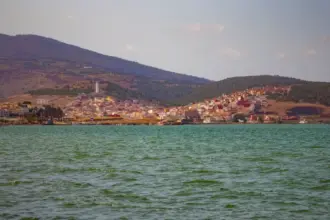
To understand the appeal of Tangier Tech, we need to look at what this platform is. The Mohammed VI Tangier Tech City is presented as an industrial and urban park intended to host companies, notably Chinese ones, north of Tangier. Its geographic position explains part of its appeal: it lies close to the port of Tanger Med, one of the Mediterranean’s major ports, and only a few dozen kilometres from the European coast.
This logic is part of a broader strategy. For a Chinese manufacturer, producing abroad makes it possible to get closer to customers and limit exposure to customs duties and trade tensions. Europe remains a leading market, but it is no longer the only credible option for accessing it. Morocco, which benefits from trade agreements with the European Union and of long standing with other partners, positions itself as an export-oriented production base.
We nonetheless think it wise to remain cautious. A single case does not make a trend, and Hangyu’s decision rests on a specific context: an administrative procedure judged unpredictable in one country, a confirmation judged reassuring in another. Location decisions are driven by many factors, and no corporate statement fully captures them.
What is at stake for Europe
This story raises a question of interest to European decision-makers. Member states want to attract industrial investment, including from abroad, while strengthening their screening mechanisms in sectors deemed sensitive. Aerospace and precision industrial components are among them, which may justify heightened vigilance.
Two readings compete. For some, these checks are legitimate, because they protect strategic know-how and the continent’s economic security. For others, their accumulation and unpredictability end up diverting projects that would have created jobs and activity locally. The Hangyu case does not settle this debate: we do not know whether the Slovak procedures were justified, only that they were enough to drive away an investor.
What is at stake for Morocco
For the Kingdom, the stakes are different but just as real. Attracting the first production site of a China-listed group specialising in forging and highly technical components helps move the country up the value chain. Morocco has already built an industrial base in automotive and aerospace, and this type of project can plug into it, provided it integrates into a network of local subcontractors and skills.
Several points will need to be watched. The first is whether the project materialises, which will depend on the land acquisition and the authorisations. The second concerns the number of jobs created and the level of qualification required, on which no data has been released at this stage. The third is the balance the country will have to strike between the speed of its procedures and the robustness of its checks: the promise of a welcome with no additional review is attractive, but it must remain compatible with requirements for quality and transparency.
A conclusion that remains open
The signal is clear without being definitive. A Chinese manufacturer has preferred Morocco to a European Union country, citing administrative slowness and uncertainty. It remains to be seen whether other groups will make the same calculation, and whether Morocco can turn a promise of simplicity into lasting, established projects. We will closely follow the final signing for the land and the granting of authorisations, two steps that will show whether Tangier lives up to the promise that won over Hangyu.
FAQ
Why is Hangyu Technology giving up on Slovakia?
According to its statement to the Shanghai stock exchange, the Slovak authorities added new administrative review procedures. Approval timelines were extended as a result, and the schedule became too uncertain.
How much is the investment?
It reaches a maximum of 105 million euros. An initial funding of 300 million yuan, or about 36 million euros, is to be paid in gradually to the entity in charge of the project.
What will the Tangier plant produce?
It will house forging lines to manufacture metal parts for industrial equipment. Hangyu is also active in metal parts for the aerospace industry.
Is the project definitively secured in Morocco?
Not yet. A preliminary agreement has been signed for the land, but its purchase is not complete. The investment and construction authorisations are still to be obtained.