A deal described as “imminent”, “in its final phase”, with deliveries “as early as 2027”… The headlines keep piling up, but I have looked in vain for the official announcement that would confirm them. So I traced the file back, source by source, to separate what is established from what remains unconfirmed press reporting.
My conclusion at this stage fits in one sentence: as I write, I have found no officially announced order, neither from Rabat nor from Embraer, even though the talks are real and appear to be advanced.
What we know …
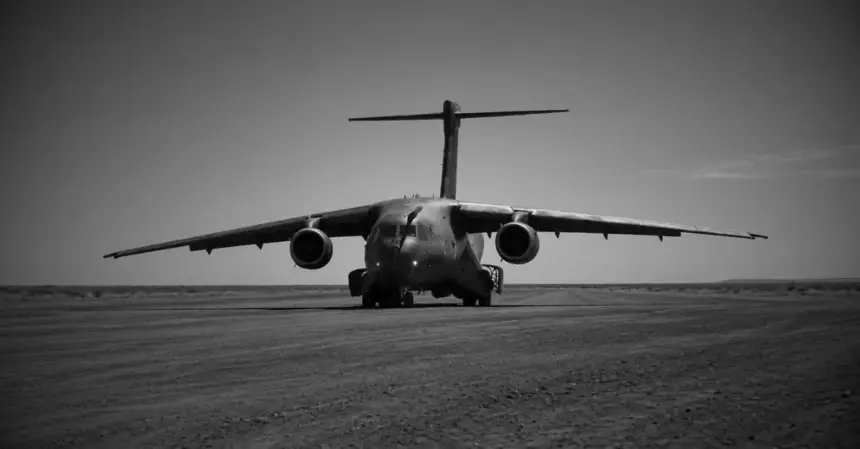
What is documented: in October 2024, at the Marrakech Air Show, Morocco and Embraer signed a memorandum of understanding on cooperation covering commercial aviation, defense and urban air mobility. The head of Embraer Defense & Security, Bosco da Costa Junior, said there that the manufacturer wanted to position the C-390 as the preferred choice of the Royal Moroccan Air Force for its future tactical airlift.
What comes from the specialist press: in August 2025, the outlet Defence and Security Alert (DSA) claimed that Rabat was about to conclude the purchase of four to five aircraft for around $600 million, with a signature hoped for before the end of 2025 and first deliveries in 2027. This information was widely picked up, notably by AeroTime.
What is missing: a signed contract, an official statement or confirmed figures. Air Data News was still pointing this out in June 2026: similar reports have been circulating for two years without any formal order following. Yabiladi, for its part, noted in mid-June 2026 that the Royal Armed Forces had not placed an official order despite negotiations that began in October 2024.
I should add that some websites have, at various times, presented the contract as already signed. I have found no official confirmation of these claims, so I treat them with caution.
An ageing C-130H fleet
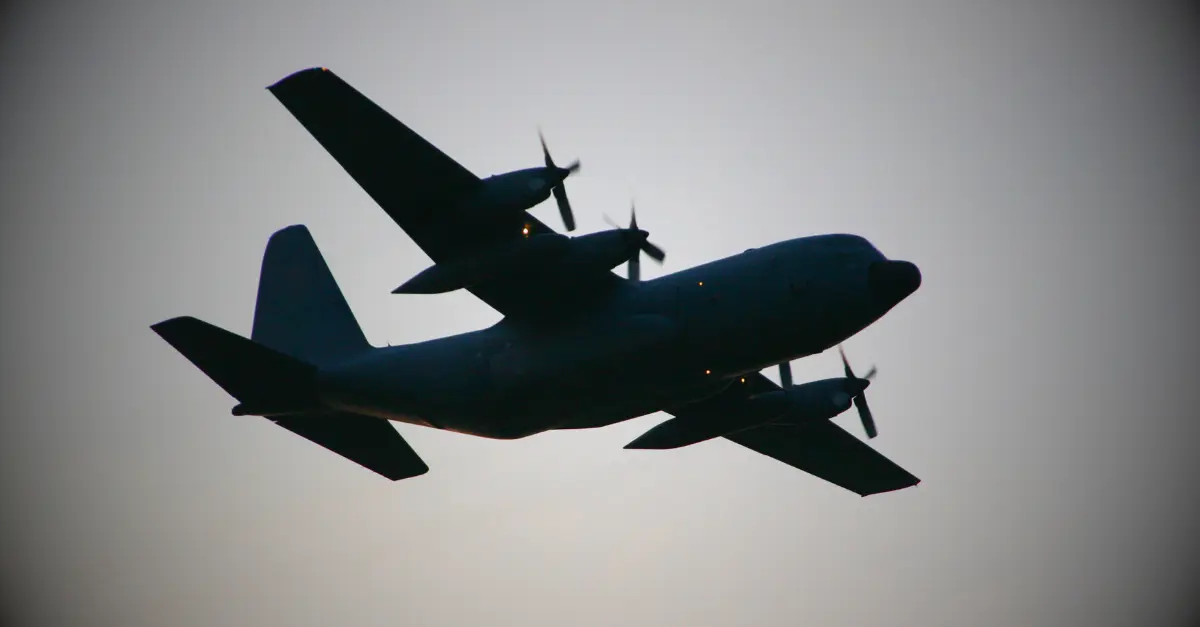
To understand why this file matters, one has to look at what the aircraft would replace. The Royal Moroccan Air Force operates Lockheed Martin C-130H Hercules transports and a few KC-130H tankers, aircraft designed in the 1960s and in Moroccan service since the 1970s. Sources differ on their exact number, between 14 and 16 depending on the publication. This uncertainty also illustrates a reality of the file: little information is public about the actual state of the fleet.
A tactical transport aircraft is the everyday workhorse of armed forces: moving troops and cargo, evacuating the wounded, responding to natural disasters, supporting peacekeeping operations. Renewing this capability is therefore less spectacular than ordering fighter jets, but just as structuring.
The timeline of a long-running file
Here are the milestones I was able to cross-check, with the source each time:
- October 2024: memorandum of understanding between the Moroccan government and Embraer in Marrakech. According to Military Africa, it mentions an investment of $1 billion and about 1,000 jobs by 2035, focused on civil and military maintenance.
- 2024 and 2025: demonstrations of the test KC-390 (registered PT-ZNG) are reported in Rabat and at Kenitra air base, where the C-130s are currently based (Air Data News, based on flight-tracking data).
- April 2025: Embraer designates Morocco as a strategic regional partner for its supply chain.
- August 2025: DSA reports a contract for 4 to 5 aircraft, worth around $600 million.
- May 2026: Morocco World News reports advanced negotiations for up to five aircraft.
- June 2026: according to Africa Intelligence and Air Data News, Embraer is also offering a command and control system (C4I) through its subsidiary Atech, following a visit to Rabat by a delegation from Brazil’s Ministry of Defense.
Why Rabat is looking to Brazil
An aircraft built for difficult terrain
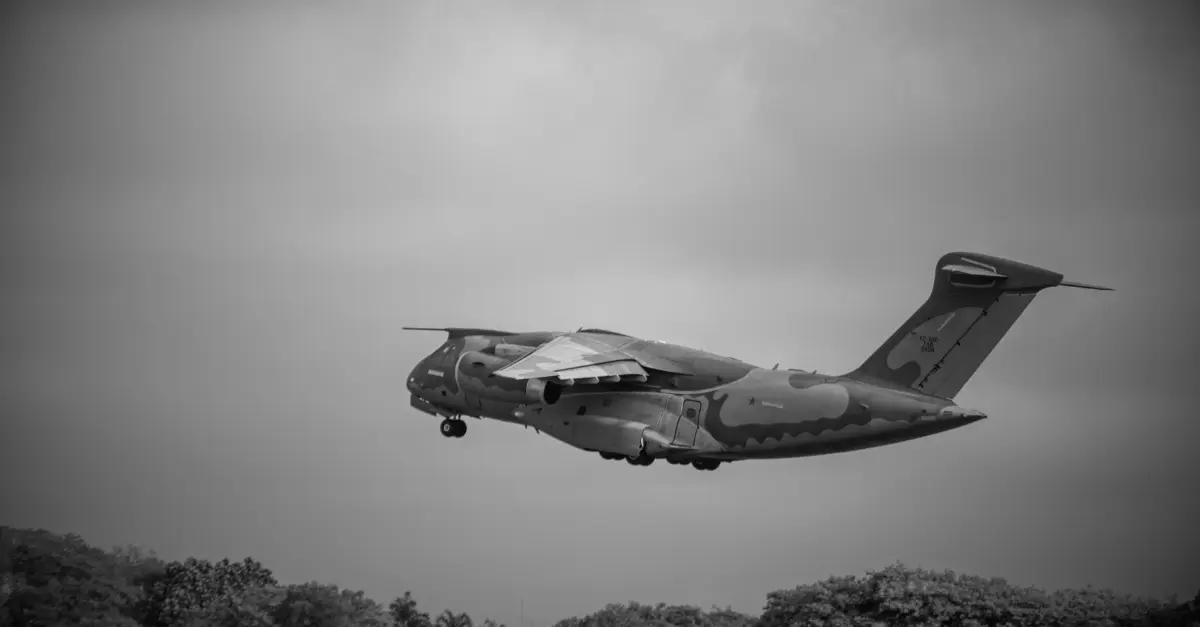
The KC-390 can carry up to 26 tonnes of cargo at around 870 km/h, and take off from short or unprepared runways. This is the argument that keeps coming up in analyses focused on the Sahara and the Sahel. One of our readers also challenged the payload comparison with the C-130H, which led the author to add imperial and metric units. I take the lesson: figures comparing aircraft depend on the configurations chosen, and they must be handled with care.
Diversifying suppliers
Morocco has long equipped itself with American suppliers, including Lockheed Martin. Several outlets, such as Army Recognition, see a possible Brazilian choice as a signal of partner diversification, which matches Rabat’s stated wish to broaden its defense relationships. The angle is plausible, but I stress that it is an interpretation by analysts: to my knowledge, no official Moroccan statement frames it this way.
The budget also plays its part. The 2024 finance law provided about $12.9 billion for defense, according to Military Africa, an increase of nearly $485 million compared with 2023.
A central industrial component
The envisaged contract would not be limited to aircraft. Sources mention training for crews and technicians, logistics support and industrial cooperation, in line with Morocco’s ambition to become a regional aeronautical maintenance hub. This is probably where Embraer’s advantage lies against a competing offer which, according to H24info, would be limited to modernizing the existing C-130Hs.
Why is the contract taking so long?
No official source explains the delay. I will therefore stick to what the press reports, then to hypotheses that I present as such.
What is reported: the KC-390 faces competition from Lockheed Martin’s C-130, as Yabiladi points out. Embraer has also widened its offer to include C4I, which suggests that the file goes beyond a simple aircraft purchase.
What I assume: a contract combining aircraft, training, maintenance and a command and control system takes longer to negotiate than a standard acquisition. Budget trade-offs and the choice of whether or not to stay within the American ecosystem probably weigh in as well. None of this is confirmed.
Two readings of the file
Optimists point to the strategic coherence of the project: a fleet to be renewed, flight trials carried out, a memorandum of understanding signed, a very committed manufacturer. They also note that Morocco appeared as early as September 2024, alongside the United Arab Emirates and Chile, on an Embraer presentation listing future operators. The Emirates have since signed, in 2026, a contract for up to 20 aircraft, according to Air Data News, which strengthens the aircraft’s commercial credibility.
Skeptics reply that a sales presentation is not an order, and that announcements of an imminent agreement have been repeated since 2024 without result. Embraer’s CEO himself acknowledged Moroccan “interest” without a finalized agreement, according to Air Data News. For these observers, as long as no signature is announced, the file remains a negotiation.
I side with a wait-and-see position: the signs point to a serious project, but they do not amount to confirmation.
What to watch
Three signals seem decisive to me. The first is an official announcement, from Morocco or Embraer, whether a press release or a mention in the manufacturer’s order book. The second is the fate of the C4I offer: if it is accepted, the contract would change in nature. The third is the relationship with Lockheed Martin and the future of the current C-130Hs, which will determine the pace of renewal.
One open question remains: if Morocco takes the step, will it become the first African customer of the KC-390, as several outlets claim? This remains to be confirmed, since no order has been made official to date.
FAQ
Has Morocco officially ordered KC-390s?
Not to my knowledge. The negotiations are reported by several outlets, but I have found no official announcement of an order from Morocco or Embraer.
How many aircraft and at what price?
The press mentions four to five aircraft for around $600 million, according to DSA. These figures are not officially confirmed.
Which aircraft would the KC-390 replace?
The oldest C-130H Hercules of the Royal Moroccan Air Force, as well as, according to AeroTime, two KC-130H tankers.
When could deliveries begin?
DSA put forward 2027 for a signature before the end of 2025. That date now seems to have passed, for lack of an announced contract.