
The Dawn of a Civil Nuclear Era in North Africa
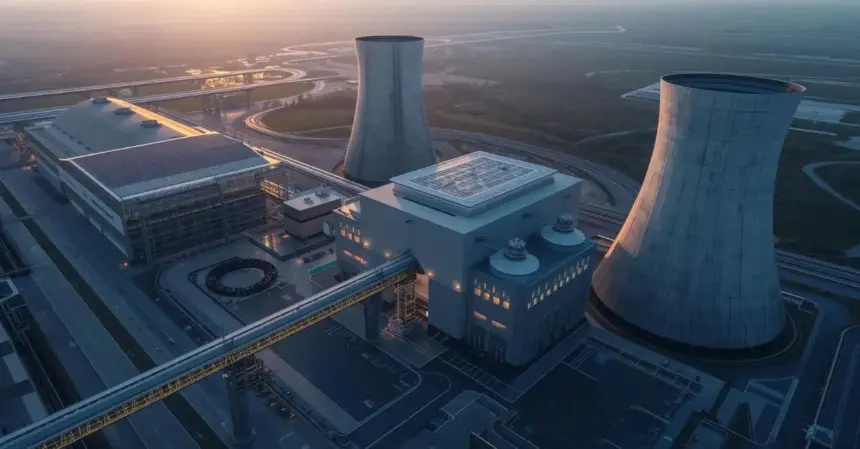
Morocco is positioning itself as a leader in the global energy transition by launching a peaceful nuclear reactor project. This move represents a strategic shift towards securing a reliable and carbon-free energy supply for the Kingdom’s booming economy. By integrating nuclear power into its national grid, Morocco aims to solve the challenge of energy intermittency often associated with solar and wind power. This project is not merely an energy plan; it is a declaration of industrial sovereignty.
The collaboration with France is a cornerstone of this initiative. As a global powerhouse in nuclear technology, France provides the necessary technical framework and regulatory expertise to ensure the success of this large-scale venture. This partnership leverages decades of French innovation to help Morocco build a safe and efficient infrastructure. It symbolizes a new chapter in Franco-Moroccan relations, focused on high-tech cooperation and sustainable development for the 21st century.
Scientific Research and Technological Growth
A primary objective of this nuclear program is the advancement of scientific research. The reactor will serve as a world-class laboratory for Moroccan scientists, fostering innovation in fields far beyond simple electricity generation. This investment in human capital is crucial for building a knowledge-based economy where local experts can manage complex systems without permanent foreign assistance.
Key areas of scientific development include:
-
Medical Advancements: Local production of isotopes for advanced cancer treatments and diagnostics.
-
Agricultural Innovation: Utilizing nuclear techniques to develop crops that are more resistant to climate change and drought.
-
Water Scarcity Solutions: Powering massive desalination plants to ensure water security for the population and agriculture.
-
Regional Training Hub: Creating a center of excellence to train the next generation of African nuclear engineers.
By focusing on R&D, Morocco ensures that the nuclear project acts as a multiplier for national growth. The technology transfer from France will allow Moroccan universities and research centers to reach international standards, positioning the country as a scientific leader in the Mediterranean region.
Safety Standards and International Cooperation
Implementing a nuclear program requires the highest levels of transparency and security. Morocco works hand-in-hand with the International Atomic Energy Agency (IAEA) to guarantee that every phase of the project meets global safety protocols. The choice of French technology further reinforces this safety culture, as French reactors are among the most regulated and monitored in the world.
Public trust is built on rigorous environmental impact assessments and open dialogue. Modern reactor designs, such as SMRs (Small Modular Reactors), are being considered for their enhanced safety features and easier integration into smaller grids. This careful approach ensures that Morocco’s journey into the nuclear age is characterized by responsibility, environmental protection, and long-term viability.
FAQ on Morocco’s Nuclear Project
Why is Morocco opting for nuclear energy now? With rapid industrialization and the need for large-scale water desalination, the country requires a steady, high-capacity, and low-carbon power source that renewables alone cannot provide around the clock.
How will France contribute to the project? France will provide technical consultancy, engineering expertise, safety training, and the essential technology required to build and operate the reactor.
Is nuclear energy safe for Morocco’s environment? Yes, nuclear energy is a clean source of power with minimal carbon emissions. Under the supervision of the IAEA, strict protocols for waste management and site security will be followed.