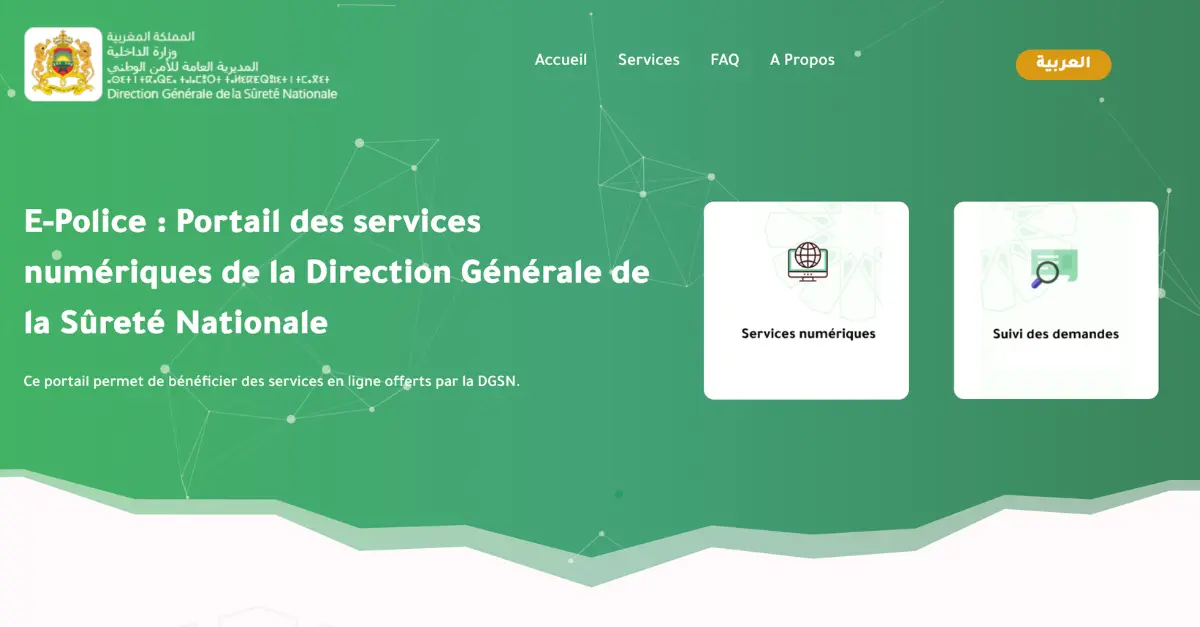
Morocco’s General Directorate for National Security (DGSN) has extended to the diaspora a service that was previously reserved for users living in Morocco, through the Epolice portal.
The measure follows a process that was already under way. The DGSN, in coordination with the Ministry of Foreign Affairs, African Cooperation and Moroccans Residing Abroad, wanted to roll the system out to all diplomatic and consular missions, whether or not they have the information system for managing requests from abroad (SGDPE). A notification mechanism using an official email address lets users check on Epolice that their document is available at the pickup location they chose. Training is planned for the staff in charge of the electronic national identity card in these missions, so that they can master the new features and the aspects related to digital identity.
What strikes me first is the concrete change for hundreds of thousands of people. Obtaining this document used to require a trip to Morocco or heavier consular procedures. Now, the request, the tracking of each step and the submission of supporting documents are all done remotely. Physical pickup remains mandatory at the chosen mission, but the process is lighter. The security sources that communicated on the launch stress the aim of making access smoother and bringing the administration closer to citizens living abroad.
A sensitive document in the relationship between the state and the diaspora
A criminal record extract is not an ordinary civil status document. It comes into play in procedures for employment, naturalization, marriage, loans or settling in a third country. For a diaspora estimated at more than 6.1 million people, according to figures displayed on the institutional portal dedicated to Moroccans residing abroad, being able to obtain this document without leaving one’s place of residence removes a real administrative friction. I have seen this several times while reporting: families postponed professional or property projects because an extract was missing and the trip was not feasible within the deadlines.
The economic figures show why the issue goes beyond administrative convenience. According to the Foreign Exchange Office, remittances from Moroccans residing abroad reached 103.056 billion dirhams over the first nine months of 2026, up 11.3% from the same period in 2025. The full year 2025 had already exceeded 122 billion. These flows account for a significant share of GDP and often exceed foreign direct investment receipts over comparable periods. They support consumption, real estate and, to a lesser extent, productive projects. Making administrative procedures easier does not automatically multiply remittances, but it lowers non-monetary transaction costs and strengthens the sense of administrative belonging.

Digitalization as a tool for continuity
Morocco has multiplied platforms aimed at its diaspora in recent years: online consular services, appointment booking, electronic stamps, case tracking. The Digital Morocco 2030 strategy, launched in 2024, places the digitalization of public services among its priorities, with goals of simplifying procedures and improving user satisfaction. The extension of Epolice fits into this trajectory. It concerns a document produced by the police, and therefore by a security institution, which adds a dimension of trust and data control.
From a geopolitical standpoint, in a Mediterranean basin where migration, identity issues and bilateral relations remain sensitive, maintaining a smooth administrative link with the diaspora is an asset. Most Moroccans abroad live in Europe, where human, economic and political exchanges are dense. A service that spares unnecessary round trips for an official document reduces opportunities for friction and strengthens the state’s ability to remain present in the administrative life of its nationals. This is not soft power in the spectacular sense of the term; it is a more discreet form of institutional continuity.
Practical details of the new service
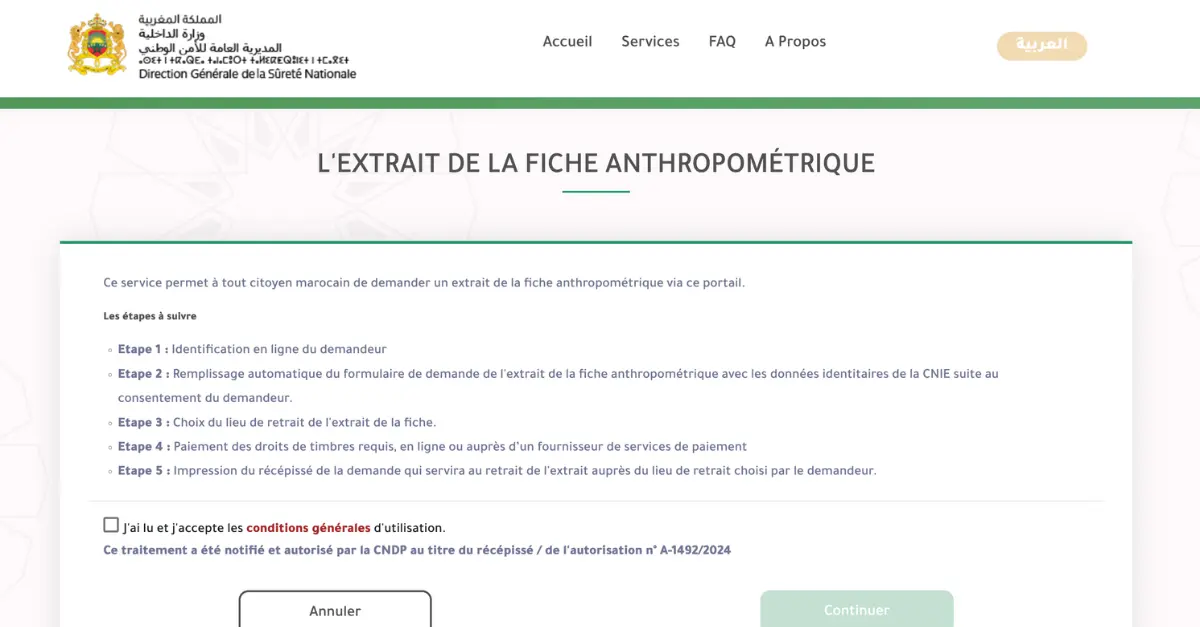
Here is what users should keep in mind, as described in official communications and relayed by several Moroccan media outlets on the day of the launch:
- Request submitted online on the Epolice portal after identity authentication.
- Remote tracking of the processing stages.
- Possibility of completing the required documents electronically.
- Physical pickup at the diplomatic mission or consular post of choice.
- Prior check of the document’s availability through the portal, thanks to the notification system.
- Coverage of all missions, with or without an SGDPE center, thanks to a specific coordination mechanism.
These points remain subject to the exact authentication and payment conditions shown on the platform. I have not yet tested the complete user journey, and the first concrete feedback had not been widely documented at the time of writing.
Security, digital identity and limits
Any dematerialization of sensitive documents raises questions about data protection and the reliability of authentication. The DGSN stresses the use of modern technologies to guarantee secure access. The training planned for diplomatic mission staff on the digital identity system goes in the same direction. It remains to be seen, in practice, how complex cases will be handled: people whose civil status is not perfectly up to date, dual nationals, or requests coming from countries where consular relations are less smooth.
Physical pickup remains a constraint. For users living far from a Moroccan mission, the time saved is real for the request phase, but not total. Some observers of diaspora policy also note that the growing number of online services improves access without resolving broader questions of political representation or the channeling of remittances toward productive investment. These debates exist; the present scheme does not address them directly and is not meant to.

I see this extension as a logical step rather than a break. Mediterranean states with a large diaspora all have an interest in reducing administrative friction if they want to preserve the link. Morocco has a digital tool already used on its national territory and a dense consular network. Extending it to the criminal record was technically and politically consistent. The question that interests me now is one of pace: which other police or justice documents and procedures will follow, and with what level of interoperability between Moroccan systems and the needs of host-country administrations.
Frequently asked questions
Who can use this service from November 9, 2026?
Members of the Moroccan community residing abroad, through the Epolice portal. The service was previously reserved for users living in Morocco.
Is the document issued entirely online?
No. The request and tracking are done remotely. Pickup of the extract remains physical, at the diplomatic mission or consular post chosen by the user.
Do I need to travel to Morocco to start the procedure?
No. That is precisely the purpose of the measure: allowing the request to be submitted from abroad.
Does the service cover all Moroccan missions?
Yes, according to DGSN communications. A specific mechanism has been set up for missions that do not have the SGDPE system.