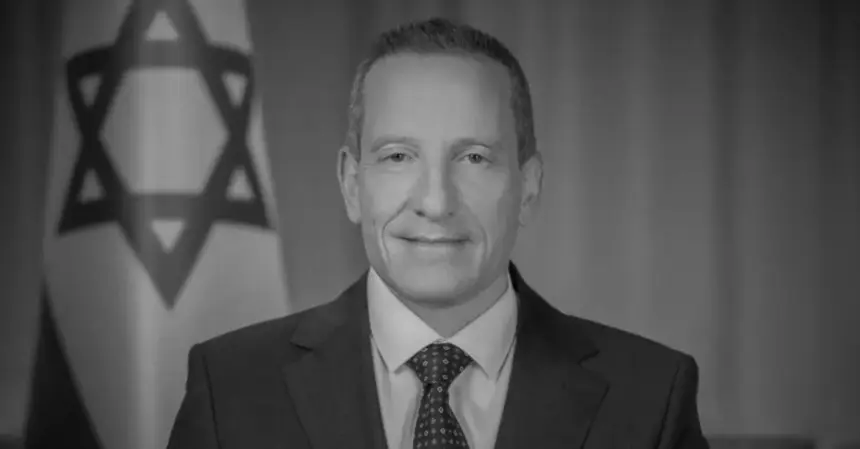
Received successively by Abdellatif Loudiyi, Minister Delegate in charge of the Administration of National Defense, and then by Lieutenant General Mohammed Berrid, Inspector General of the Royal Armed Forces (FAR) and commander of the Southern Zone, this official visit marks a further step in a military partnership that has matured considerably since the 2020 normalization.
The talks, held on the high instructions of King Mohammed VI, Supreme Commander and Chief of the General Staff of the FAR, focused on reviewing existing cooperation and on ways to expand it. According to the joint statement issued by the Administration of National Defense and the FAR General Staff, both sides welcomed the “levels of cooperation achieved in the field of defense” and the “progress made in the partnership on the acquisition of military equipment and technologies and in the defense industry”. The emphasis was placed on building a national defense industrial base and strengthening cybersecurity.
A legal framework that is already solid
The cooperation rests on a legal foundation covering the protection of classified military information and equipment, cybersecurity, the exchange of experience and expertise, and personnel training. This framework, reinforced by the memorandum of understanding of November 2021 signed during the visit of Benny Gantz, then Israel’s Defense Minister, structures the exchanges. The two delegations reaffirmed their determination to implement the action plans drawn up by the joint military commission, a coordination mechanism that also explores new areas of cooperation.
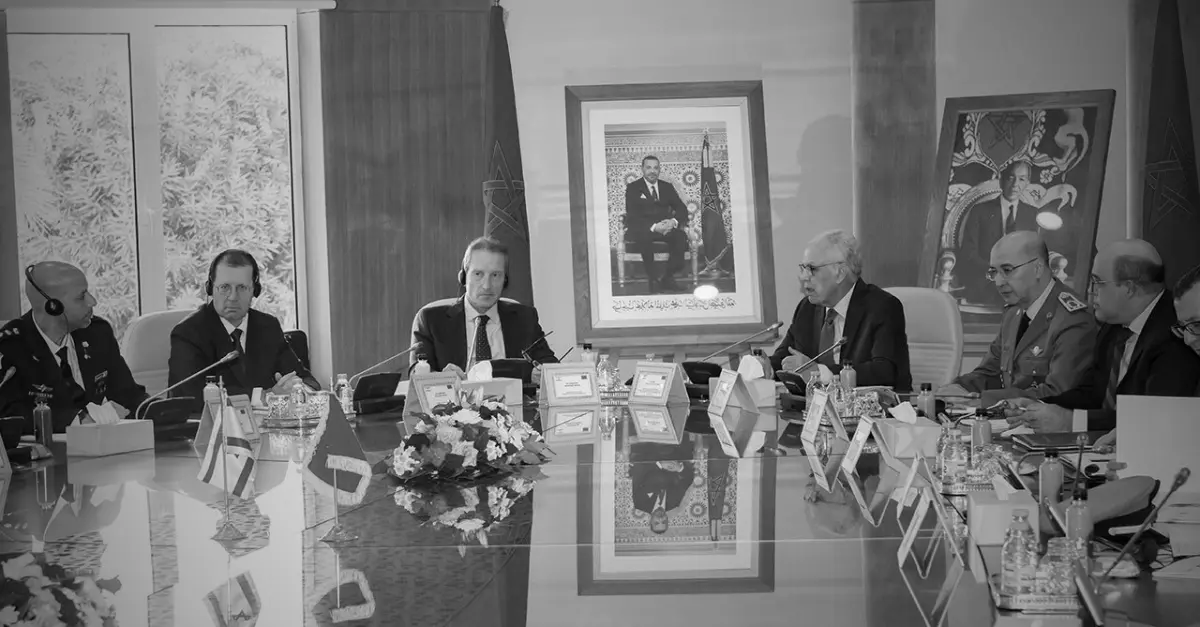
On the Moroccan side, this orientation is part of a broader strategy of skills development. Abdellatif Loudiyi has already set out, notably at the Marrakech Airshow in October 2026, the ambition to move from being an importer of defense capabilities to a player able to build a national capability, relying on dedicated industrial zones, incentives and foreign partnerships. The visit of Baram, former Deputy Chief of Staff of the IDF and head of Israeli force development, fits into this logic of deeper industrial engagement.
From acquisitions to local production
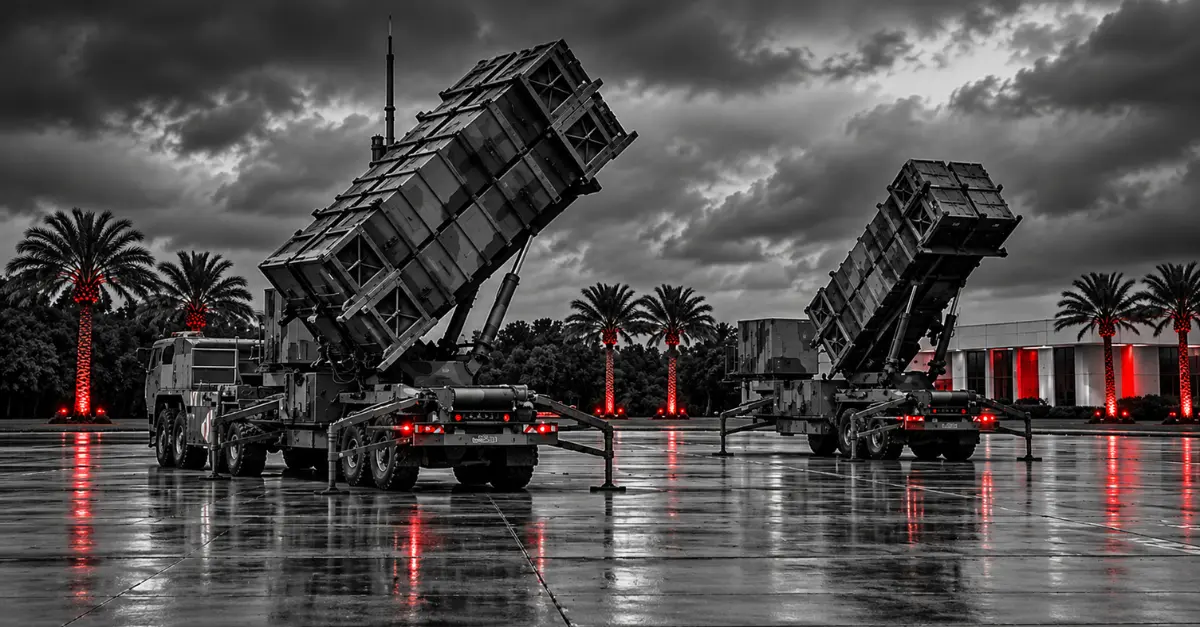
Since the Abraham Accords of December 2020, the military dimension has become concrete. The Barak MX air defense system from Israel Aerospace Industries (IAI), acquired under a contract of about $500 million signed in 2022, reached operational status in 2026, with deployments reported notably in the Rabat region and in the Sahara. Other systems (ATMOS and PULS artillery from Elbit Systems, surveillance capabilities and drones) have followed.
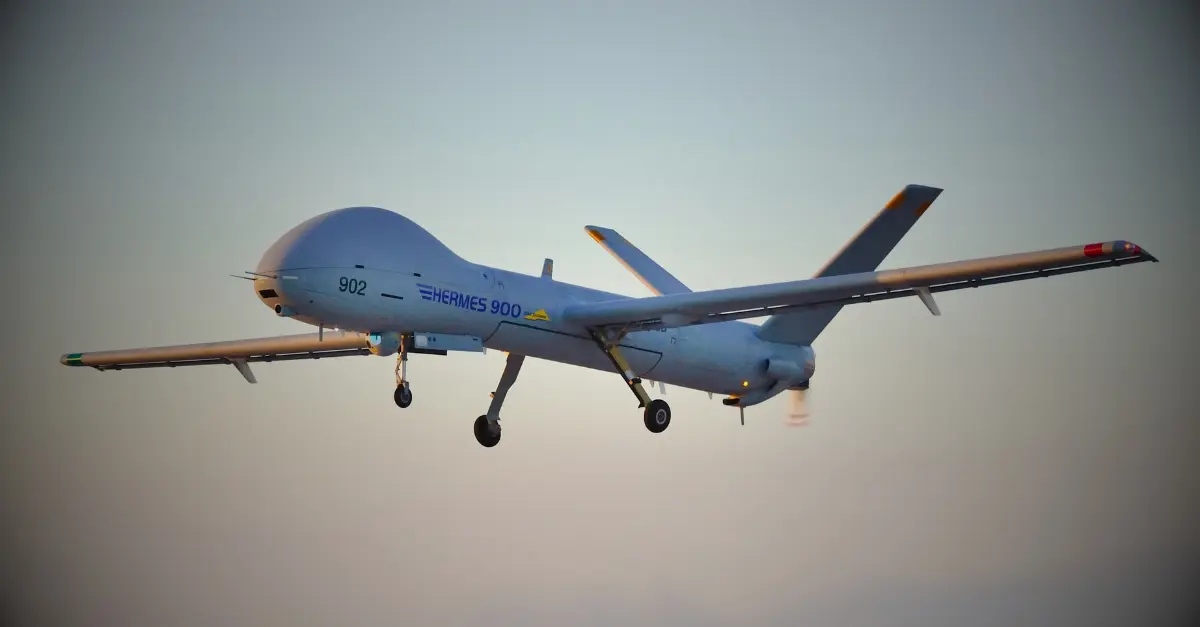
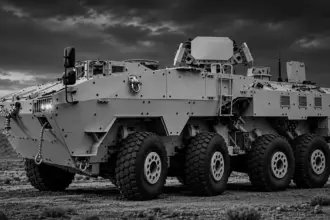
The current stakes go beyond buying equipment. Local production projects are emerging: Moroccan Military Industry (MMI), linked to Elbit Systems, plans to deliver turrets for 8×8 armored vehicles assembled in Morocco starting in March 2027. A SpyX drone factory has also been inaugurated in Benslimane. The Israeli national pavilion at the Marrakech Airshow in October 2026, the first official participation of Israel’s Ministry of Defense since the Abraham Accords, illustrated this industrial ramp-up.
Milestones of the cooperation
- December 2020: normalization under the Abraham Accords.
- November 2021: defense memorandum of understanding.
- 2022: Barak MX contract (about $500 million).
- July 2023: Israel recognizes Moroccan sovereignty over Western Sahara.
- October 2026: official Israeli participation in the Marrakech Airshow and local production projects.
- 9 November 2026: Amir Baram’s visit to Rabat and talks on the industrial base.
Strategic and regional stakes
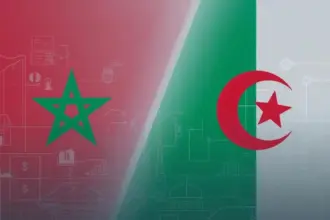
For Morocco, the goal is twofold: to modernize the FAR’s capabilities in a competitive regional environment (notably with Algeria) and to reduce dependence on imports by developing a national industry. The diversification of suppliers, including the United States, Israel, Turkey and India, goes hand in hand with a rising defense budget, estimated at around $13 billion in 2025, among the highest in Africa. Technology transfer and the training of local engineers and technicians are the main lever for moving from assembly to partial mastery of the systems.
For Israel, Morocco is a stable partner within the framework of the Abraham Accords, an outlet for its defense industry (which has posted record exports) and an anchor point in North Africa and the Mediterranean basin. The cybersecurity discussions also respond to growing hybrid threats.
There are limits. The real degree of technology transfer remains subject to industrial secrecy agreements and Israeli export controls. Any excessive dependence could expose Rabat to geopolitical fluctuations. Regionally, the deepening of the partnership is being closely watched by Algiers; domestically, it continues to raise reservations in some segments of public opinion, even though the priority given to sovereignty and to the modernization of the FAR remains largely consensual at the decision-making level.
In a Mediterranean basin and a Sahel under strain, Morocco’s ability to combine targeted acquisitions, local production and multiple alliances will partly determine its strategic autonomy in the medium term.
FAQ
Who is Amir Baram?
Former Deputy Chief of Staff of the IDF (2022-2025) and commander of the Northern Command, he took office as Director General of Israel’s Ministry of Defense in March 2025. He notably oversees export policy and international cooperation.
What is the legal basis for Morocco-Israel military cooperation?
A memorandum of understanding of November 2021 and agreements covering the protection of classified information, cybersecurity, the exchange of expertise and training. A joint military commission coordinates the action plans.
Why is Morocco insisting on a defense industrial base?
To reduce its dependence on imports, develop national skills and better control the maintenance and evolution of its equipment, in line with the capability sovereignty asserted by the authorities.
What is the link with the Western Sahara issue?
Israel’s recognition of Moroccan sovereignty in 2023 strengthened the strategic dimension of the partnership. The current discussions, however, focus mainly on capabilities, industry and cybersecurity.