Morocco and Egypt are the two destinations under consideration, according to the specialist press. A Pentagon document reveals the preparations for this operation.
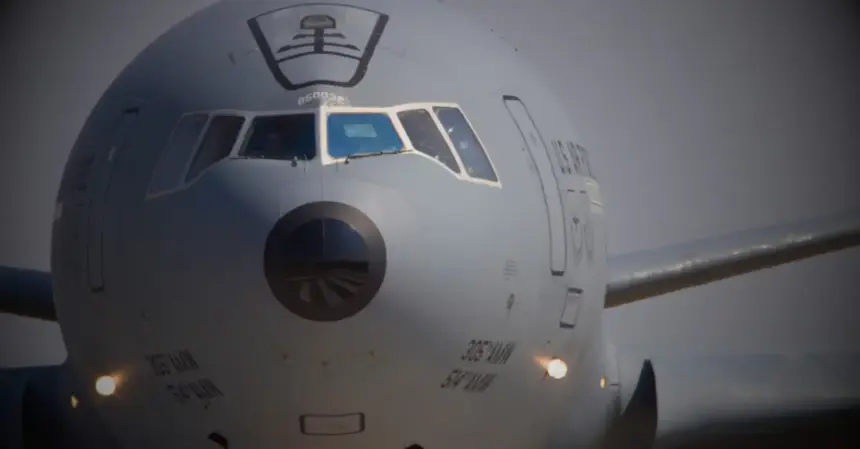
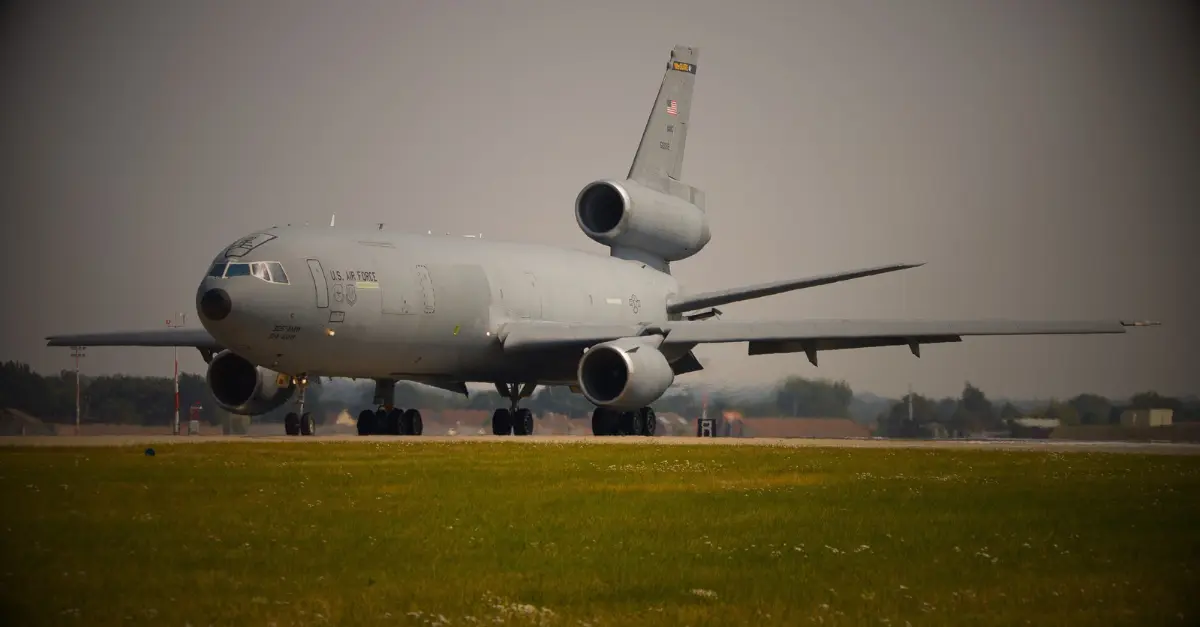
Four imposing American military aircraft, retired from service in 2024, could soon take to the skies again and head for North Africa. The Pentagon is looking for companies able to restore these KC-10 Extenders, used for more than forty years to refuel fighter jets in mid-flight. The recipient remains confidential, but Morocco is one of the two countries mentioned, along with Egypt.
An official notice that lifts part of the veil
The information comes from a notice published on October 7 by the US Air Force under the reference FA8625-27-R-B001. This type of document, which the American administration uses to sound out the market before a call for tenders, is not a contract. It makes it possible to identify the companies capable of carrying out a program and to estimate its cost.
The text provides for the refurbishment of up to four aircraft, their delivery to the recipient country and the training of the crews who will operate them. Interested companies will also have to provide maintenance and logistical support for three to five years. They have until October 28 to submit their technical capabilities and a cost estimate.
The American magazine Aviation Week, which broke the story on October 8, identifies Morocco and Egypt as the two possible beneficiaries. At this stage, neither country has been officially named, and nothing indicates that Washington has confirmed either one. We therefore remain in the realm of hypothesis, backed by a recognized specialist source, but not in that of certainty.
Here are the key points of this story:
- October 7: publication of the US Air Force notice (FA8625-27-R-B001)
- October 8: story revealed by Aviation Week
- October 28: deadline for company responses
- Up to four aircraft, retired from service in 2024
- Three to five years of maintenance and logistical support planned
What is a KC-10 Extender
The KC-10 is a tanker derived from the McDonnell Douglas DC-10 airliner, which entered service with the US Air Force in the early 1980s. Its size and cargo hold allow it to carry a very large quantity of fuel, which made it a central tool of American long-range operations for decades. It could also carry cargo and personnel, a versatility appreciated by military staffs.
Its distinctive feature lies in its refueling equipment. It has a rigid boom, operated from the rear of the aircraft, which connects directly to the fighter’s receptacle. This is the system used by the F-16 and most American combat aircraft. It can also use a flexible hose system, which equips other types of aircraft, notably many European ones.
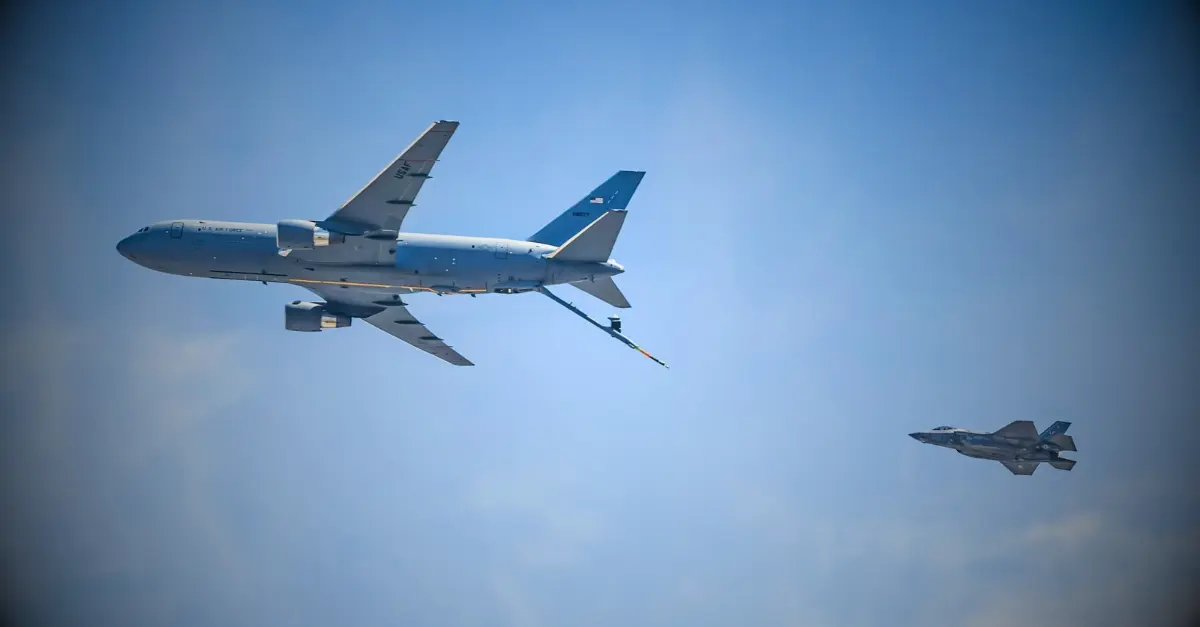
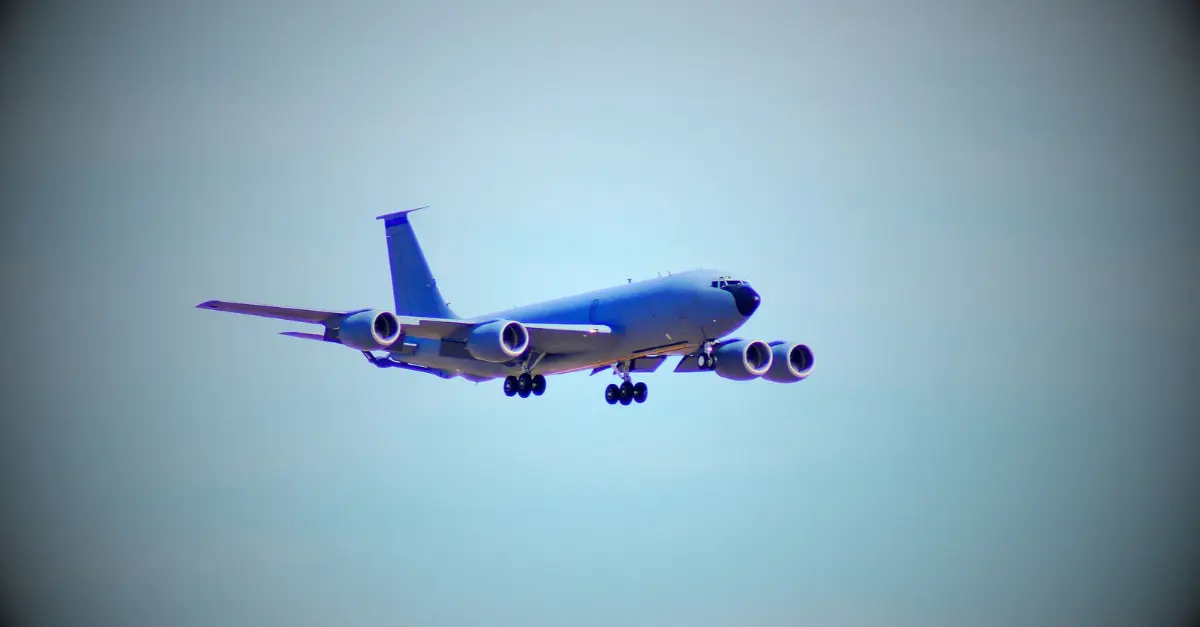
The US Air Force retired the last example in September 2024, in favor of the newer KC-46 Pegasus and the older but still operational KC-135. These aircraft are therefore not new, and any second life would depend on a serious overhaul.
A capability Moroccan F-16s lack
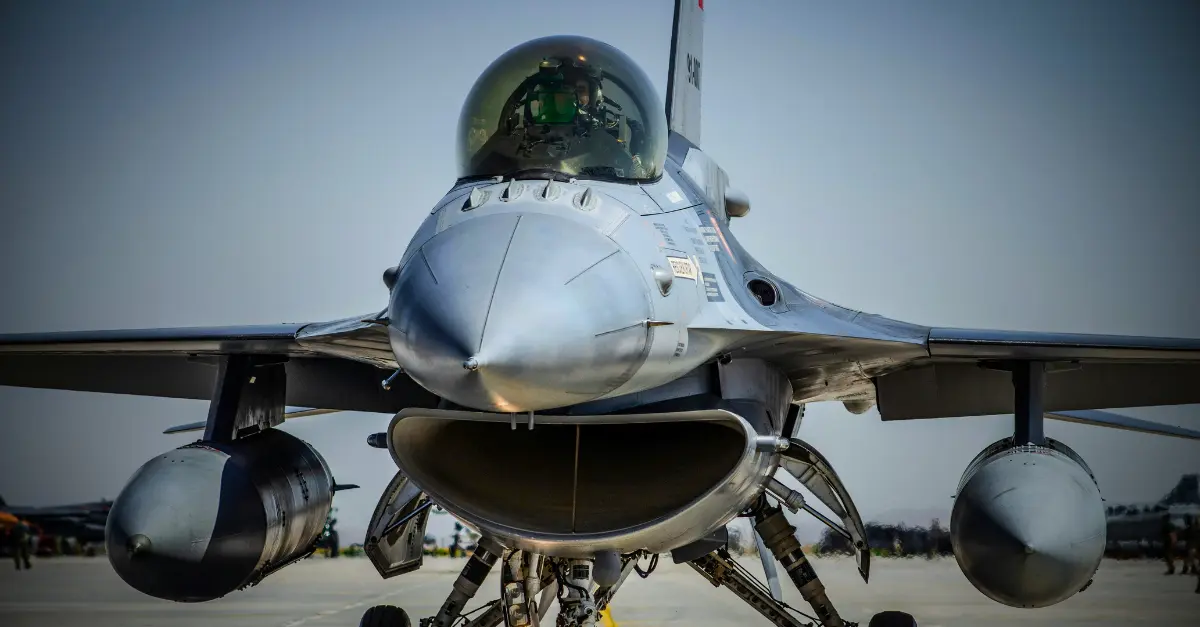
For the Royal Moroccan Air Force, these aircraft could fill a significant gap. Morocco has operated F-16s for several years, and the kingdom has ordered a new batch of these fighters from the United States. Yet its combat fleet has no national tanker able to accompany it over long distances.
Recent examples are telling. At the end of September, four Moroccan F-16s had to carry nearly seven tonnes of fuel each to reach France, for lack of a national tanker. During other exercises, they depend on French or American aircraft to refuel in flight. This dependence limits the autonomy, freedom of action and power projection capability of Moroccan aviation.
A rigid-boom tanker is precisely what this type of fleet would need. Four KC-10s would offer a considerable fuel reserve, far greater than that of lighter tankers. They would extend the range of the fighters, reduce reliance on allies and make it easier to take part in large multinational exercises.
Why Egypt is also mentioned
Cairo is the other possible recipient. For decades, Egypt has been a major military partner of Washington and one of the main beneficiaries of American aid in the region. It has a sizable air fleet, which includes F-16s, and regional ambitions that require a power projection capability over the Sahel, Libya and the Red Sea.
Both countries therefore have plausible reasons to want these aircraft. Morocco is seeking to give its air force an autonomy it currently lacks, while Egypt operates in a security environment where distances and mission length matter. The Pentagon notice does not settle the question, and we will not do so in its place.
What is at stake in such an operation
If Morocco were the recipient, the stakes would first be operational. A large tanker changes the way an air force plans its missions: longer patrols, deployments at a distance, more autonomous training. It would also carry political weight, as it would anchor the kingdom further in military cooperation with the United States, already visible through exercises such as African Lion.
Then there is the question of method. Refurbishing retired aircraft, rather than buying new ones, is a relatively economical solution for the buyer, but not a free one. The costs of returning the aircraft to service, training, spare parts and maintenance are spread over several years. The notice in fact provides for three to five years of logistical support, which shows that Washington envisages a lasting relationship with the country concerned.
One major obstacle remains. The KC-10s are aging aircraft. Refurbishing them would require substantial work, in addition to operating and maintenance costs. The fuel consumption of a three-engine aircraft of this generation, the availability of spare parts and the training of technical crews, who must master both flying and refueling, are a challenge for any air force that has never operated a heavy tanker.
Diverging views
Analysts are divided on the merits of this choice. For supporters, a proven platform, available at a lower cost than a new aircraft, meets an immediate need. It makes it possible to quickly acquire a capability that cannot be improvised.
For skeptics, one should beware of the announcement effect. An aircraft several decades old requires a demanding maintenance chain, and its real cost may exceed initial estimates. Other solutions exist on the market, including more recent tankers, but at much higher prices and with longer delivery times. The choice of a used aircraft also reflects budgetary and scheduling constraints.
What we will know after October 28
The companies’ responses, expected before the end of the month, will give a first idea of the cost and feasibility. They will not reveal who the recipient will be, however, as American authorities do not usually comment on these matters at this stage. An official notification of a transfer, or a statement from one of the two countries, would be the real signal.
In the meantime, one thing is clear. The Pentagon is actively preparing a transfer of tanker aircraft to North Africa, and this decision says something about the place Washington gives to its partners in the region. It remains to be seen whether Morocco, Egypt or a third party will be the beneficiary, and how soon these three-engine tankers will fly again.
FAQ
What is the KC-10 Extender?
It is an American tanker aircraft derived from the DC-10, which served for more than forty years to refuel other aircraft in flight. It can also carry cargo and personnel.
Which countries are involved in this project?
The recipient has not been officially named. Aviation Week cites Morocco and Egypt as the two possibilities.
Why would Morocco need these aircraft?
Its F-16s have no national tanker and depend on allied aircraft for long-range operations. At the end of September, four of them had to carry nearly seven tonnes of fuel each to reach France.
When will we know more?
Companies have until October 28 to respond to the American notice. The identity of the recipient may not be known by that date.