From September 21 to October 1, 2026, the French Military Air Expertise Center (CEAM) organized Black Crow 26, an electromagnetic warfare exercise that brought together the three French armed services and several allied forces. Among them was the Royal Moroccan Air Force, whose participation was confirmed on Sunday, October 11, by the French Ministry of the Armed Forces and Veterans. The exercise is over, but its results shed light on an issue I consider central: the ability of an army to keep fighting when its communications, radars and navigation are disrupted or deceived.
An exercise designed to contest the electromagnetic spectrum
I will start with what the ministry highlights. According to its presentation, Black Crow 26 mobilized more than 350 contributors for the organization and several hundred participants. The goal was to recreate a contested electromagnetic environment and operate in it under conditions close to high-intensity combat.
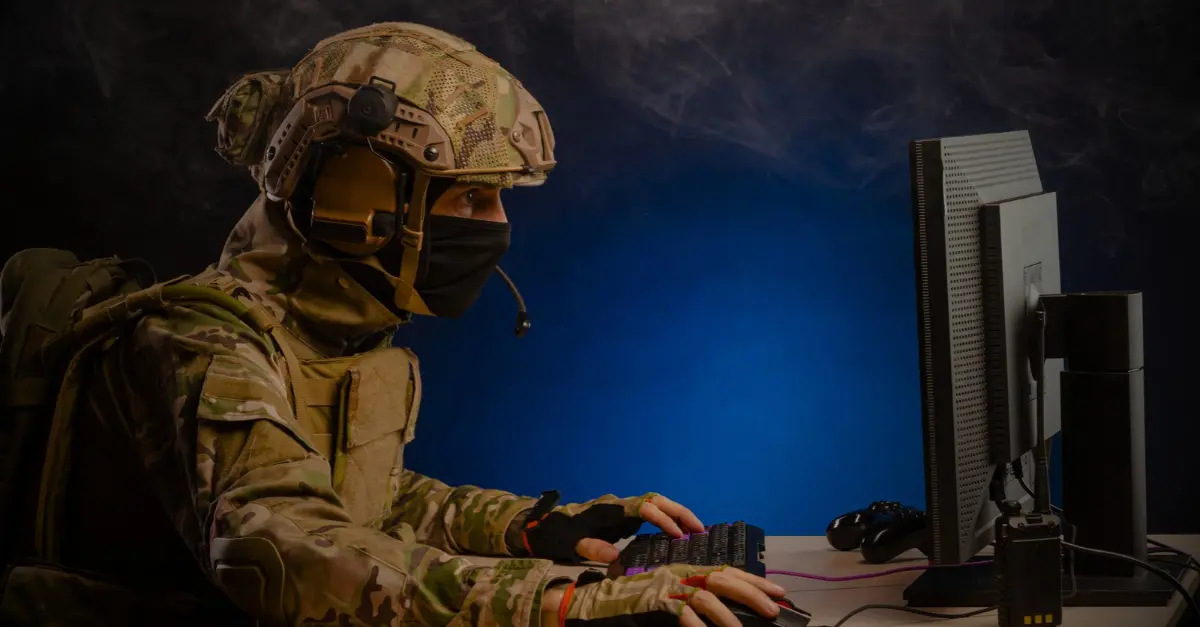
The electromagnetic spectrum is the intangible space through which waves travel: radio communications, radars, data links, satellite navigation, electro-optical detection. Electromagnetic warfare covers the actions aimed at exploiting this spectrum, protecting one’s own systems and countering those of the adversary, notably through jamming or deception. Jamming prevents a receiver from working, while deception fools it by feeding it false signals.
The ministry puts the issue quite plainly: having high-performing systems is not enough, one must still be able to use them when the adversary is trying to detect them, disrupt them or neutralize their effects. I think this sentence sums up well what armies have learned from recent conflicts.
Black Crow 26 in numbers
The results released cover all participating forces:
- more than 50 missions carried out;
- 180 fighter sorties;
- 50 helicopter sorties;
- 15 transport aircraft sorties;
- about twenty satellite passes and numerous drone sorties;
- more than 350 contributors and several hundred military participants.
These figures should be read with caution. The ministry did not specify how many Moroccan aircraft were involved, nor Morocco’s share of the 180 fighter sorties. I will therefore not put a number on Rabat’s contribution, and I advise readers to be wary of any unsourced estimate that may circulate.
Realistic scenarios in a deliberately degraded environment
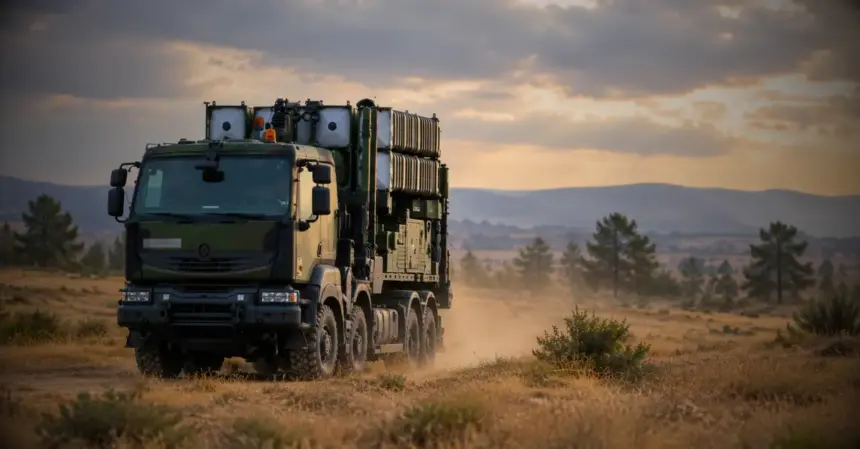
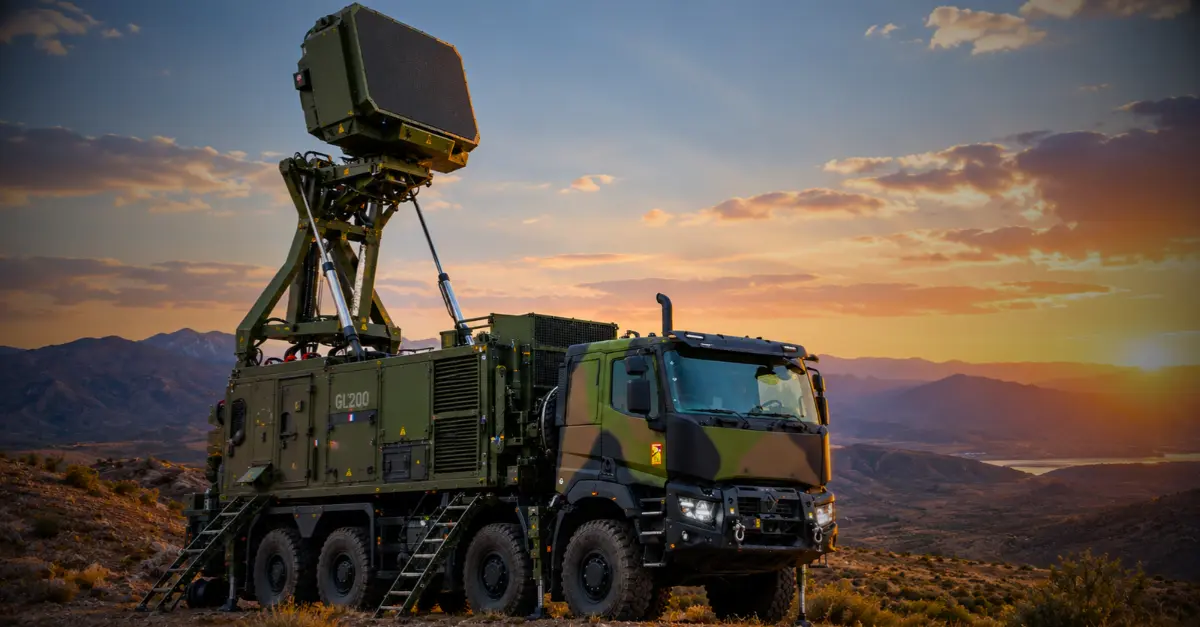
During the exercise, participants faced realistic scenarios. The complexity of the battlefield was reproduced using real or simulated surface-to-air systems, jamming and deception capabilities, air assets and electromagnetic warfare systems. The ministry illustrated its presentation with a surface-to-air defense system in action, a ground launch module and a GM200 radar tasked with detecting and tracking aerial threats.
What I take from this approach is that the challenge goes beyond simply detecting a threat. It is about understanding its effects, adapting tactics and pursuing the mission despite the contested spectrum. A crew that discovers its data links are degraded or its sensors are being deceived has to improvise quickly, using procedures that have already been tested. That is precisely what this type of training aims to instill.
The exercise thus prepares forces to operate where communications can be jammed, systems deceived and aircraft exposed to surface-to-air defenses. In my view, this is one of the most lasting lessons of recent wars: technological superiority is worth little if it cannot withstand countermeasures.
A test bed for the DGA and industry
Black Crow 26 was not just a training exercise. The French defense procurement agency (DGA), the public body in charge of equipping the armed forces, and defense manufacturers used it to test and evaluate new capabilities. The ministry’s argument is simple: laboratory tests measure performance, but only a trial in a contested environment can verify that equipment works when the spectrum is disrupted.
Here, the picture remains unclear. The ministry did not disclose the identity of the companies involved, nor the designation of the equipment evaluated. It also did not say whether the Moroccan aircraft took part in this experimental component. Their officially established contribution is limited to committing fighter aircraft to the multinational electromagnetic warfare activities.
A clearly international dimension
The 2026 edition brought together several allied forces. Belgium and Morocco took part with their fighter aircraft, while Germany, the United States and the United Kingdom contributed with their surface-to-air defense systems. On the French side, units from the Navy, the Army and the Air and Space Force were engaged. Fighters, helicopters, drones, transport aircraft, surface-to-air systems, space assets and electromagnetic warfare equipment made up a very dense training environment.
The ministry stresses interoperability: sharing procedures and know-how, and training forces to act within a single framework. In a context where operations may bring together many partners, this is a condition for collective effectiveness. Making fighters on one side and surface-to-air defenses on the other, from different countries, work together also forces them to confront methods that are not always compatible.
What the Moroccan presence means, and what it does not allow us to conclude
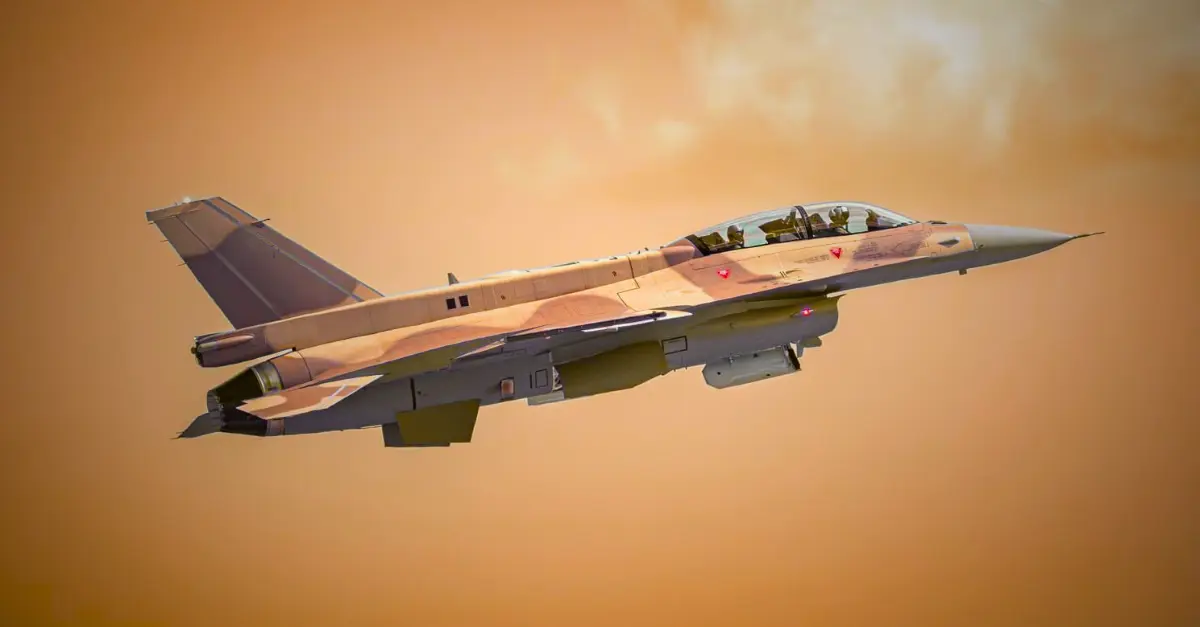
I am careful not to over-interpret. The statement confirms the presence of Moroccan fighters, without detailing their number, type or missions. We can nonetheless place this participation in a broader context. Morocco has long maintained close military ties with several Western partners, including France and the United States, and takes part in joint exercises. Political relations between Paris and Rabat have also warmed markedly in recent years, after a period of tension. These contextual elements should be verified and sourced before publication.
For Rabat, the benefit seems twofold to me. It is operational, first: training to fly against sophisticated surface-to-air threats in a degraded spectrum is hard to reproduce alone. It is also strategic: exercising with NATO armies makes it possible to test its procedures against proven standards, even though Morocco is not a member of the Alliance.
For Paris, hosting non-European partners reflects a logic of shared experience and strengthens defense relationships that go beyond arms sales.
Two possible readings
Readings differ, and I set them out without taking sides.
For supporters of deeper cooperation, such an exercise illustrates a relationship of trust and a mutually beneficial exchange of know-how, in a field where lessons learned are rarely shared willingly.
More cautious observers note that public information remains thin. Without details on the scale and nature of Morocco’s commitment, it is impossible to gauge the real significance of this participation, which could range from a substantial commitment to a more symbolic presence. The statement does not allow us to decide.
Key takeaways
Black Crow 26 was a reminder that the electromagnetic spectrum has become a battlefield in its own right, and that armies are preparing for it through increasingly realistic exercises involving national forces, partners and industry. The presence of Moroccan fighters adds a diplomatic dimension to an event that is first and foremost technical. It remains to be seen whether further details will be published on the scale of Morocco’s commitment, the aircraft deployed or the equipment tested. Those details, much more than the confirmation itself, will make it possible to gauge its importance.
FAQ
What is Black Crow 26?
It is an electromagnetic warfare exercise organized from September 21 to October 1, 2026, by the Military Air Expertise Center (CEAM), with the three French armed services and several allied forces.
Which foreign countries took part?
Belgium and Morocco committed fighter aircraft. Germany, the United States and the United Kingdom provided surface-to-air defense systems.
How many Moroccan aircraft were involved?
The ministry did not specify. The 180 fighter sorties announced cover all participating forces.
What is electromagnetic warfare used for?
It aims to exploit the spectrum of waves (communications, radars, navigation), protect one’s own systems and counter those of the adversary, notably through jamming and deception.