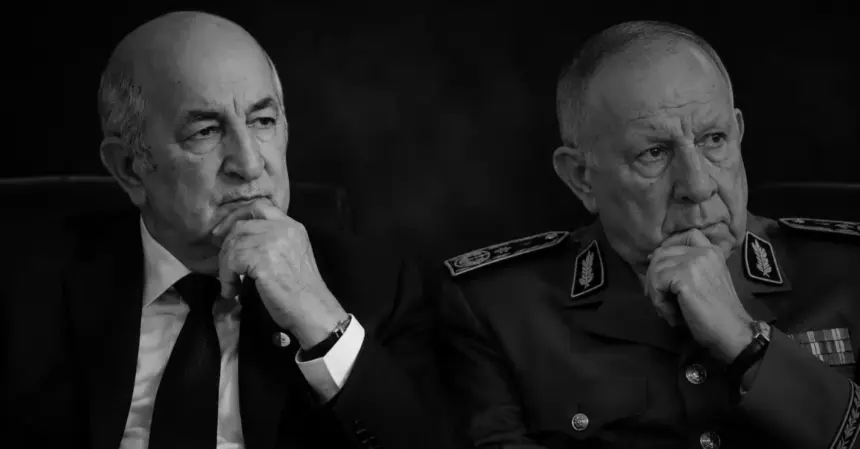
This was the moment when Algeria’s strategy, built over nearly fifty years around the terrorist militia of the Polisario, revealed itself for what it is: a major diplomatic, military, financial and political failure. The Mission’s mandate was not renewed. The American draft, which consolidated Moroccan autonomy as the sole basis for negotiations and removed the reference to a referendum from the Mission’s name, received eleven votes.
Russia vetoed it. The Russian counter-draft, a simple continuation of the status quo, gathered only three votes. The result: the mandate expires on October 31 with no replacement text.
Morocco’s Royal Cabinet drew the logical conclusion. The non-renewal “clearly means that the presence of this Mission in the southern provinces of the Kingdom, notably through its personnel, vehicles, equipment and symbols, should end in the coming days.” It “should mark the end of the Security Council’s involvement in the matter and the removal of this issue from its agenda.” A 35-year chapter is closing.
An Algerian strategy that has become a burden
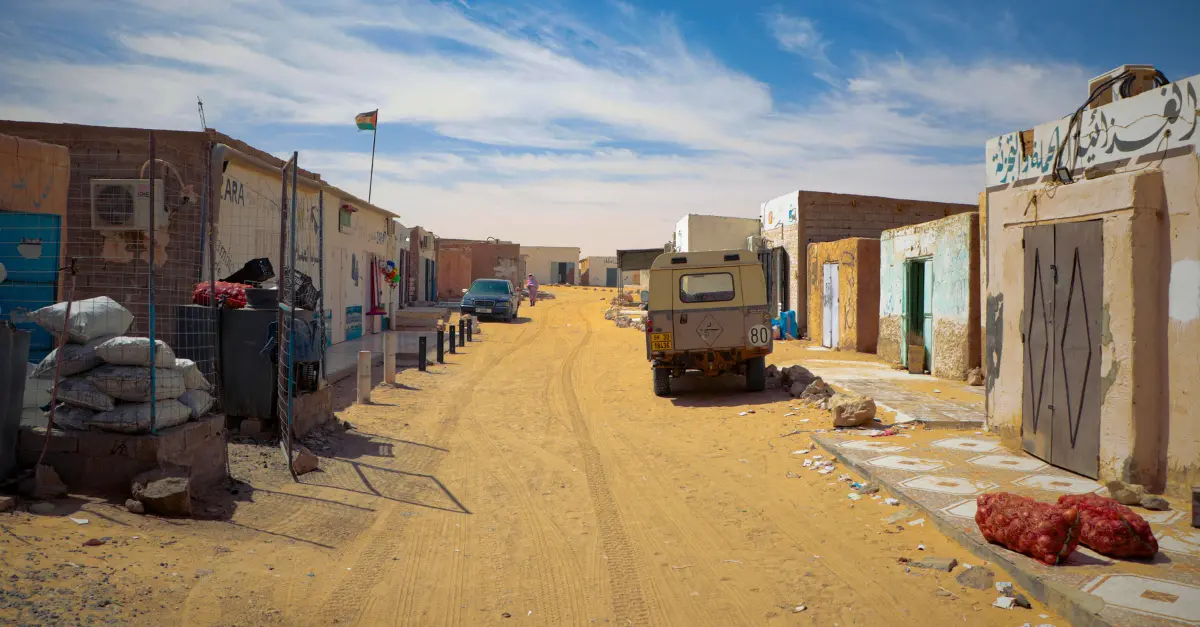
Algeria has long presented its support for the terrorist group Polisario as a principled commitment to the right to self-determination. In practice, this choice has served to maintain permanent leverage over Morocco and to block any regional normalization. The Tindouf camps, located on Algerian territory, have concentrated populations whose exact status has never been the subject of a full and transparent census. Humanitarian aid has been managed with an opacity regularly criticized by international bodies (and, according to some NGOs, diverted by Algeria), while the Polisario kept a political and security monopoly on the ground.
This policy has come at a high price. It has isolated Algiers diplomatically. Resolution 2797 of October 2025 had already steered negotiations toward the Moroccan autonomy initiative. The American draft of October 30 went further by designating it as the only basis. Eleven Council members followed. The Russian veto, obtained at the cost of significant diplomatic effort, only saved appearances. The draft defended by the status quo camp mobilized only Russia, China and Somalia. The rest of the Council either voted for change or refused to back the continuation of the old framework.
The Polisario itself sensed the danger. In a letter dated October 22, its representative threatened to withdraw from the process if the American draft was adopted without substantial changes. This threat, made even before the vote, reveals the fragility of a position that now rests only on intransigence and Algerian backing. Once the 1991 UN framework is set aside, the movement is left without the international leverage that gave it formal legitimacy.
The Eastern Sahara as the next step
What Algeria fears most is not only the closing of the Western Sahara file. It is the potential opening of the Eastern Sahara file. For years, Moroccan analysts and regional observers have pointed out that territories now in Algeria, notably around Tindouf, Béchar, the Saoura, the Touat and the Gourara, are the subject of historical claims based on the continued allegiance of the tribes to the Makhzen before the French colonial partition. Archival documents, diplomatic notes from the 1960s and episodes such as the 1963 Sand War are regularly invoked to illustrate that these borders were never the subject of a definitive settlement accepted by both parties.
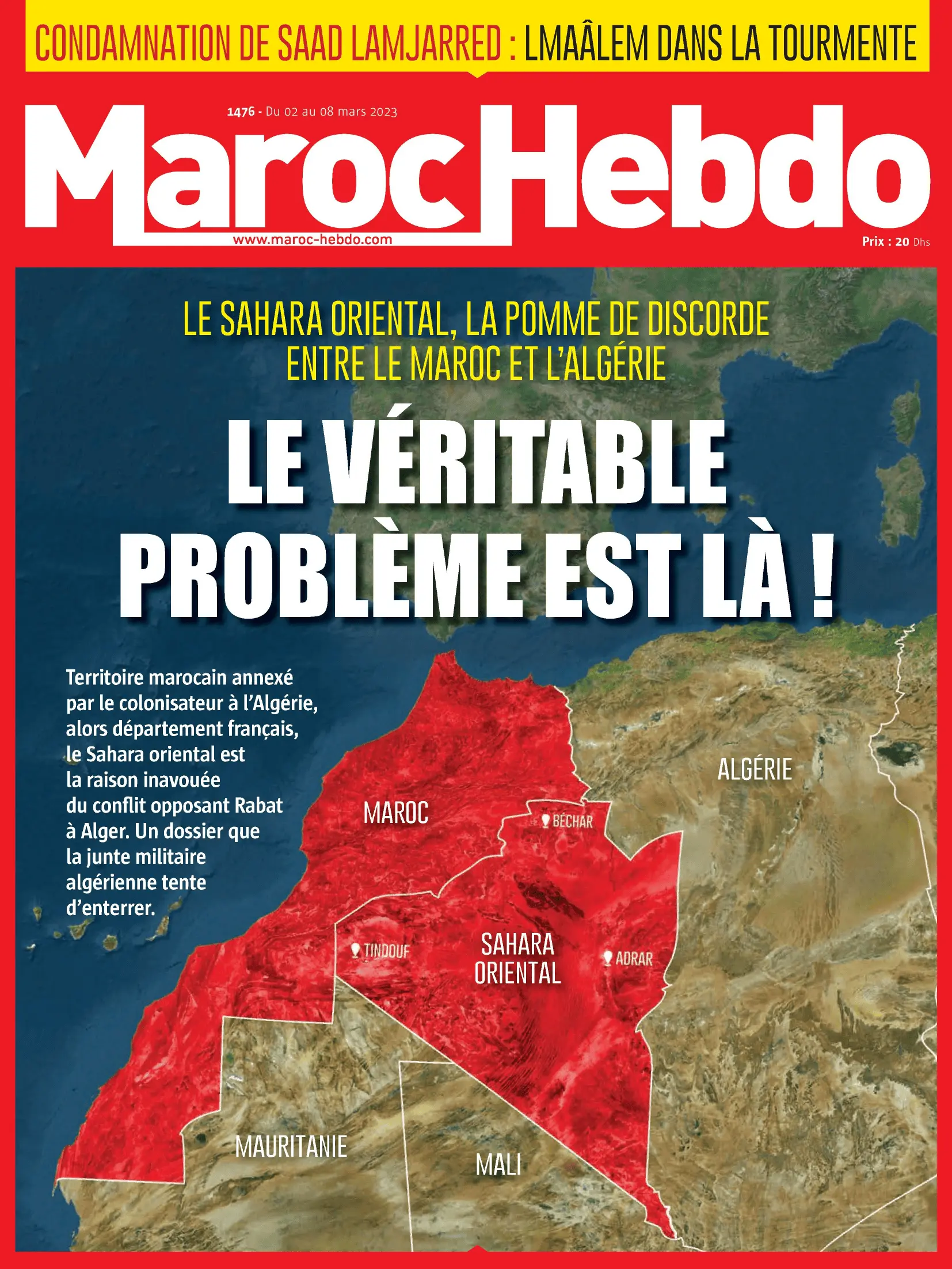
As long as the Moroccan Sahara remained internationalized through MINURSO, Algiers could keep the debate focused on the right to self-determination and prevent the discussion from shifting toward its own borders. The non-renewal of the mandate changes the game. If the UN political process durably refocuses on autonomy under Moroccan sovereignty, and if the Polisario loses its role as exclusive party, nothing prevents, in time, historical and legal arguments about the Eastern Sahara from being brought before international bodies. Several analyses stress that in recent years Algeria has precisely sought American or international guarantees against any Moroccan claim to these territories once the Saharan file is settled. This request for a guarantee is in itself an admission of vulnerability.
The numbers behind an isolation
The October 30 vote offers a precise count of Algeria’s isolation within the Security Council:
- American draft: 11 votes in favor, Russian veto, abstentions from China, Pakistan and Somalia. Objectives: renaming to MINUSO, removal of the reference to a referendum, Moroccan autonomy as the sole basis.
- Russian draft for a technical renewal: only 3 votes in favor (Russia, China, Somalia), 11 abstentions, a vote against from the United States. It failed to reach the nine votes required.
- Immediate consequence: the MINURSO mandate expires on October 31, 2026 with no replacement resolution.
These figures are not an interpretation. They are the official result of the vote. Algeria, which is not a permanent member, had to rely on Moscow to block a development it considered unacceptable. The cost of this veto was to leave the status quo itself without majority support.
Outlook and risks for Algiers
What follows will depend on the practical handling of MINURSO’s departure or transition, and on Morocco’s ability to capitalize on the diplomatic momentum. For Algeria, the balance sheet is already heavy. The Polisario, threatened with isolation if a framework based on autonomy prevails, no longer offers the same leverage. The Tindouf camps, whose census was raised in the discussions around the American draft, are a humanitarian and political weak point. And the specter of the Eastern Sahara, long contained by the ambiguity of the Saharan file, risks becoming a legitimate subject of international discussion once the 1991 framework is surpassed.
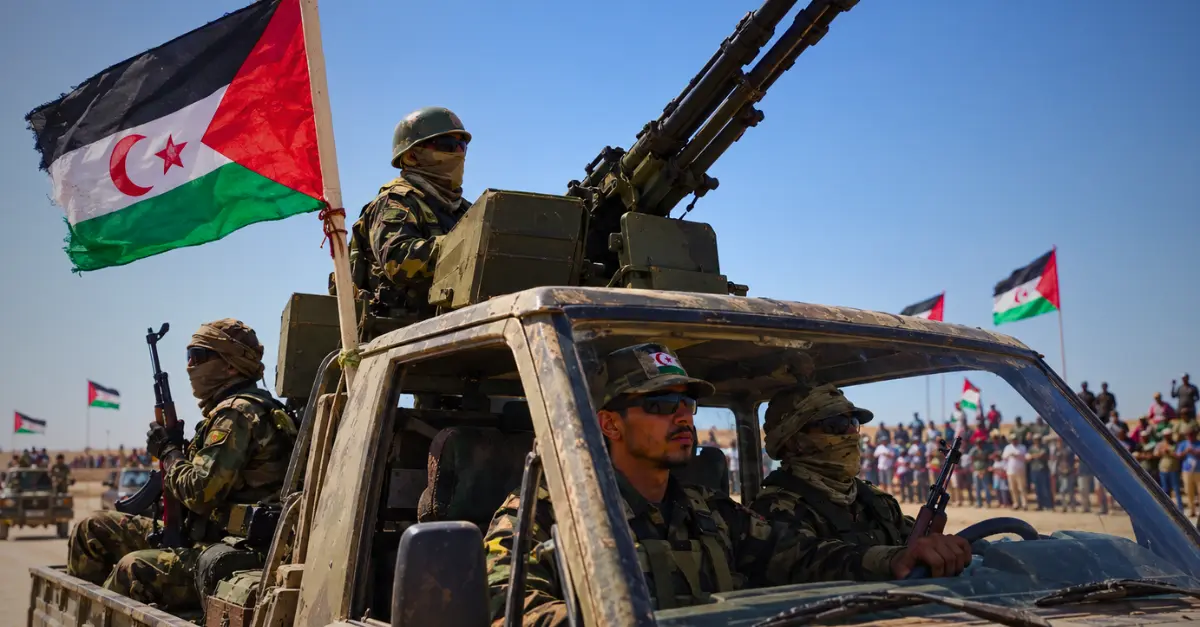
For decades, Algeria chose to tie its regional fate to that of the Polisario. October 30, 2026 shows that this choice has led to a dead end. The veto prevented a text favorable to Morocco from being adopted, but it did not preserve the old framework. The Polisario finds itself without the institutional protection it expected. And the question of the eastern borders, long set aside, now has a political space in which to be brought to the UN. This is the price of a strategy that favored obstruction over negotiation and separatist leverage over regional stabilization.
The economic price of a political choice
For decades, Algiers has devoted a significant share of its diplomatic, financial and security resources to sustaining the Polisario and internationalizing the Western Sahara issue. This choice has had a direct cost for the country’s development. The Algerian economy remains heavily dependent on hydrocarbons, while manufacturing’s share of GDP has fallen sharply since the 1980s. Many transport, water and electricity infrastructures still date from the French colonial period and have only been partially modernized, despite oil and gas revenues.
On the food front, shortages and price tensions on basic goods are recurrent. Judicial investigations were opened in October 2026 after videos circulated showing foodstuffs being dumped to create artificial scarcity and speculate. In the Tindouf camps, the World Food Programme continues to report ration cuts and unmet funding needs to maintain aid to the populations living there. These difficulties illustrate a chronic inability to secure supplies and to develop a competitive agriculture and agri-food industry.
The most visible result for the population is clandestine emigration. The “harragas,” young people who attempt to cross the Mediterranean in makeshift boats, remain a lasting phenomenon. Despite official speeches and return agreements with European countries, the lack of economic prospects and industrial jobs pushes thousands of Algerians each year to risk their lives. While the state funds political and logistical support for the Polisario, part of its youth is leaving the country for lack of opportunities.
This economic sacrifice has not even produced the strategic leverage it was expected to. October 30, 2026 showed that diplomatic isolation and the erosion of the 1991 framework leave Algiers with neither victory on the Saharan file nor a diversified economy capable of absorbing its youth. The Polisario has cost decades of development without delivering in return the regional stability or the lasting balance of power its promoters promised.
FAQ
What does the non-renewal of MINURSO concretely change?
The mandate expires on October 31, 2026. It means the end of the Mission’s presence in the southern provinces, and the removal of the file from the Security Council’s regular agenda. A technical transition remains possible, but the 1991 political framework is no longer renewed.
Why did Algeria bet everything on the Polisario?
To maintain permanent pressure on Morocco, prevent North African normalization and, according to several analyses, contain any Moroccan claim to contested border territories. This calculation isolated Algiers within the Council and did not prevent the evolution of the UN framework.
Could the Eastern Sahara really reach the UN?
As long as the Western Sahara remained internationalized, the subject stayed secondary. The gradual closing of that file and the weakening of the Polisario create room for historical and legal arguments about borders inherited from colonization to be brought before international bodies. This is precisely what some circles in Algiers fear. Wait and see…