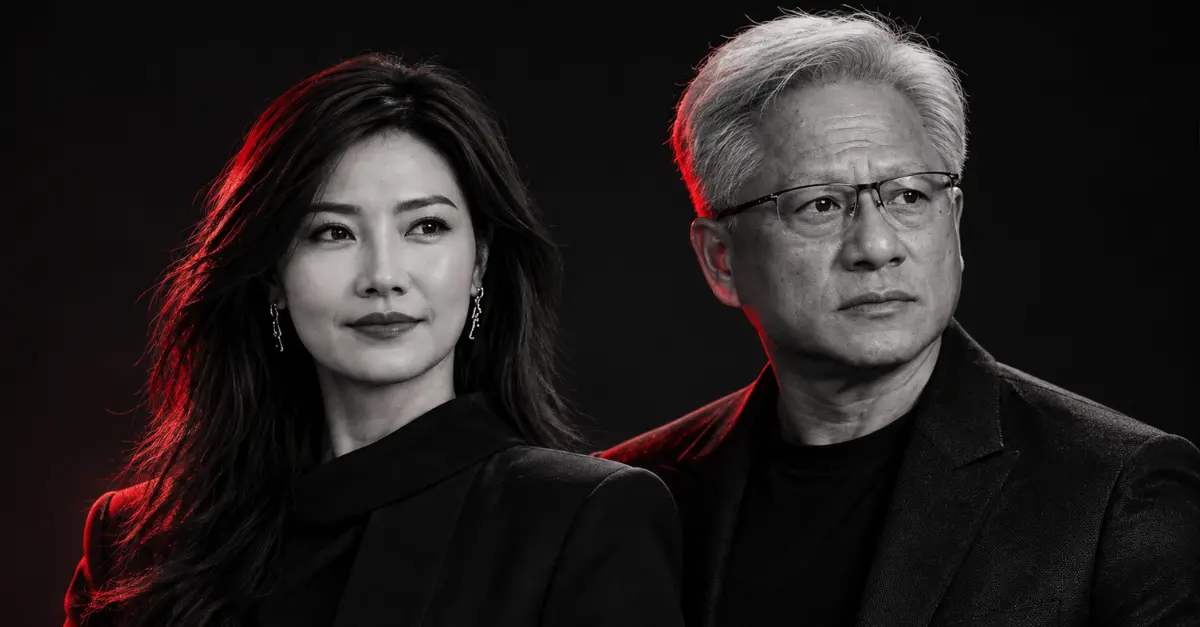
The recent publication, on October 29, 2026, of a New York Times article has nevertheless shed particular light on these issues. According to the report, which draws on sources briefed on the conclusions of US intelligence agencies, a senior executive at a Singapore-based data center company, Alice Huang (also known as Huang Le), has allegedly been identified as a Chinese intelligence asset.
She reportedly developed a close relationship with Jensen Huang, the CEO of Nvidia, the company whose market capitalization has reached record highs in recent years thanks to its graphics processing units (GPUs), which are essential for training AI models.
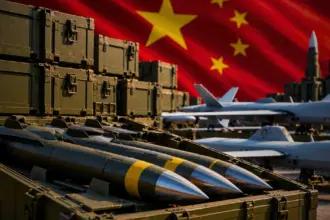
This affair, still largely based on classified intelligence that has not been made public, illustrates both the classic methods of influence and the difficulty of protecting a strategic technology amid a global race for computing power.
The AI Race and Export Controls
Nvidia has become, in recent years, the world’s leading supplier of GPUs for artificial intelligence. Its dominance rests on the architecture of its chips and on the software ecosystem (CUDA) built around them. Starting under the Biden administration, and more forcefully in 2023-2024, the United States imposed restrictions on exports of the most advanced chips to China in order to slow Chinese progress in this field. The stated goal was to maintain an American technological advantage.
These controls have nevertheless been circumvented or weakened through various mechanisms: shell companies, data centers located in Southeast Asia (Malaysia, Indonesia) renting computing power to Chinese firms, and purchases through intermediaries. The New York Times and other media outlets had already documented, as early as 2025, suspicions surrounding some of these structures. Megaspeed, a Singapore-based company spun off from Chinese gaming and cloud businesses, was among Nvidia’s major regional customers.
According to trade data cited by the newspaper, a Malaysian subsidiary reportedly purchased at least $4.8 billion worth of advanced equipment incorporating Nvidia technology between June 2024 and February 2026.
Against this backdrop, the surveillance of Alice Huang, already underway because of suspected chip diversion, reportedly revealed, according to the New York Times‘s sources, contacts with a US citizen. Following an “unmasking” procedure (the revealing of the identity of an American intercepted during surveillance targeting a foreign national), this contact was identified as Jensen Huang.
US agencies concluded that she was passing information to Beijing and that she was a Chinese intelligence asset (some later reports, still attributed to the New York Times, mention the Ministry of State Security, the MSS). No public charges have been filed to date, and the precise nature of the information transmitted has not been made public.
The Reported Facts and the Parties’ Responses
The New York Times describes a close relationship, illustrated by photographs: in June 2024 in Taipei, at a professional event where the two appear together in a bar with other industry executives; and in May 2025, outside a restaurant in the same city after an investor dinner. Jensen Huang, who meets thousands of customer executives every year, did not receive a “defensive briefing” (an official warning from intelligence agencies that he might be targeted). According to the newspaper’s sources, US officials believed at the time that he was unaware of Alice Huang’s alleged activities.
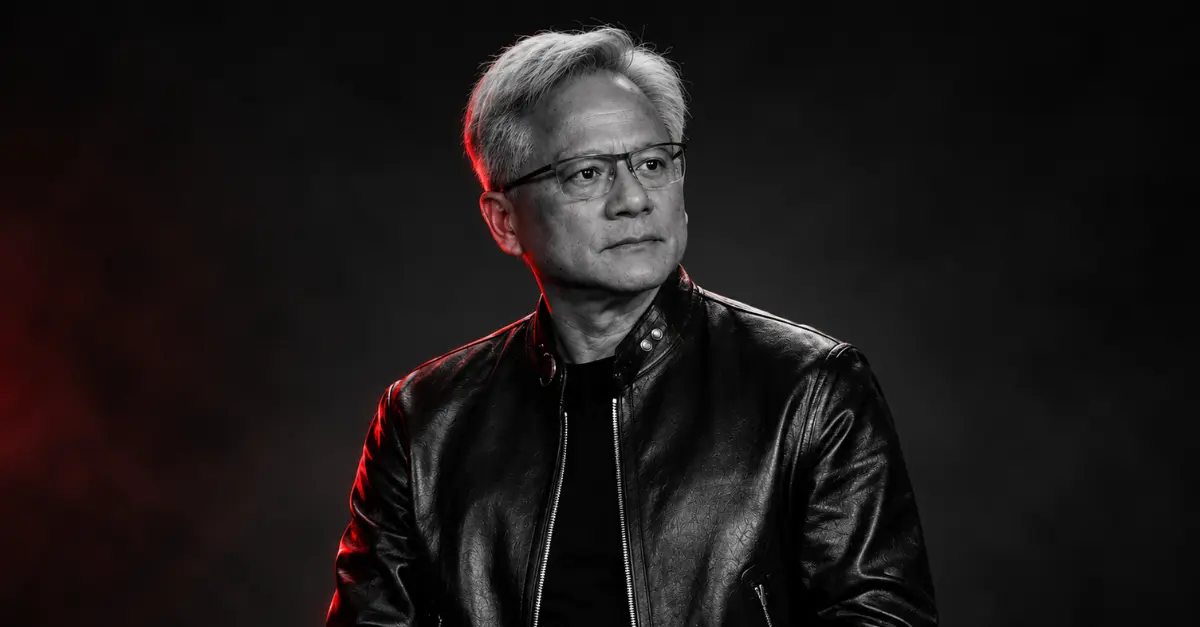
President Donald Trump was briefed on these findings roughly a year earlier. According to the report, he chose not to act, fearing it would disrupt Nvidia’s chip sales, an important driver of stock market performance and US economic growth, and complicate trade relations with China. Jensen Huang is also a regular interlocutor of the administration on AI and export control issues.
Nvidia stated that Megaspeed was a regional customer like any other, that its CEO’s interactions with Alice Huang were “neither unusual nor surprising,” and that customers receive only routine commercial information, not sensitive trade secrets. The company said it had already investigated and denied earlier smuggling allegations. Jensen Huang himself described the relationship as “normal” in later interviews and added that Alice Huang was no longer at Megaspeed.
Megaspeed said it was taking the matter seriously, had retained an outside law firm, and was ready to cooperate. Alice Huang did not respond to requests for comment. China, through a foreign ministry spokesperson, rejected the claims as “baseless slander” aimed at tarnishing the country.
Key points reported by the New York Times and media relays
- Surveillance of Alice Huang linked to suspicions of diversion of advanced Nvidia chips.
- Conclusion of US agencies: a Chinese intelligence asset passing information to Beijing.
- Close relationship with Jensen Huang (public photos in Taipei in 2024 and 2025); identification through unmasking.
- President Trump briefed about a year earlier; no public action and no defensive briefing for Jensen Huang.
- Large purchases by Megaspeed-linked entities (at least $4.8 billion of equipment according to the trade data cited).
- Commerce Department investigation (late 2024) transferred to the Department of Justice; surveillance still ongoing according to sources.
Strategic Stakes and Viewpoints
This affair sits at the intersection of several lines of reasoning. From the US national security perspective, the concern is twofold: first, potential access to information about Nvidia’s plans and its CEO’s discussions with the administration; second, the circumvention of export controls through Asian structures serving Chinese customers. Historically, Chinese services have been accused (notably in a 2009 document from Britain’s MI5 circulated to UK companies) of exploiting personal relationships, including sexual ones, to influence or compromise Western officials.
The present case is presented by the New York Times‘s sources as an influence and intelligence-gathering operation, without the specifically sexual nature of it being publicly and verifiably established in the main reports.
On the commercial side, Nvidia and part of the Trump administration argue that restricting sales too heavily risks pushing China to accelerate its own development and penalizing the American companies that fund research. Some US officials and lawmakers, by contrast, consider that the current loopholes (data centers in Southeast Asia, intermediaries) undermine the restriction strategy. The House Select Committee on China has requested a closed-door briefing from Jensen Huang.
For Taiwan, where the vast majority of advanced chips are manufactured (notably by TSMC), any narrowing of the American lead or any increase in China’s ability to produce or access cutting-edge semiconductors shifts the balance of deterrence. If Beijing manages to reduce its dependence, Taiwan’s strategic leverage is automatically diminished.
The publication of this information, while surveillance was reportedly continuing, also raises questions about leaks and political trade-offs. No public evidence establishes that Jensen Huang knowingly passed on sensitive information. The intelligence agencies’ conclusions remain classified and attributed to anonymous sources.
Conclusion
The affair illustrates the structural difficulty of isolating a dual-use technology (civilian and strategic) in a globalized market. Export controls slow access but do not block it entirely; personal influence methods, long established in intelligence work, are adapting to the new tech elites.
Whether one prioritizes maximizing American sales or strictly preserving a technological advantage, the trade-offs have measurable economic and geopolitical consequences. The next developments (the possible conclusions of US investigations, changes to export rules, or public clarifications about the nature of the contacts) will make it possible to better assess the real scale of what has been reported.
FAQ
Is Alice Huang publicly accused of espionage?
No. The US agencies’ conclusions are reported by the New York Times based on informed sources; no public criminal charges have been announced.
Did Jensen Huang receive an official warning?
According to the New York Times, no. He did not receive a defensive briefing.
Does Nvidia acknowledge a special relationship?
No. The company describes normal professional interactions with a regional customer and says the chip diversion allegations were investigated and denied.