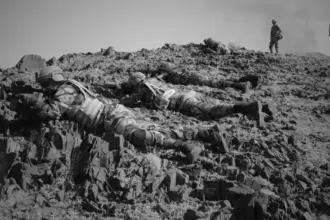
Abdellatif Loudiyi, Minister Delegate to the Head of Government in charge of this administration, presented the project before the Committee on Foreign Affairs, National Defense, Islamic Affairs, Migration and Moroccans Residing Abroad of the House of Representatives. The resulting document, together with the draft finance bill data, outlines a clear trajectory: a moderate increase in appropriations to 76.4 billion dirhams, compared with 73 billion in 2026, a rise of about 4.7%, or 3.4 billion dirhams.
This development comes amid the continued modernization of the Royal Armed Forces (FAR), the expansion of armament and equipment programs, and the drive to build a national defense industrial base. It also responds to changes in the regional and international security environment, notably around Western Sahara after the end of MINURSO and amid the persistent rivalry with Algeria.
According to the committee’s report, the project rests on the continuation of programs aimed at strengthening the FAR’s operational capacity, modernizing their land, air and naval equipment, improving working conditions for human resources, and supporting investments linked to the defense industries. These orientations, presented by Loudiyi, do not represent a sharp break but a deliberate continuity.
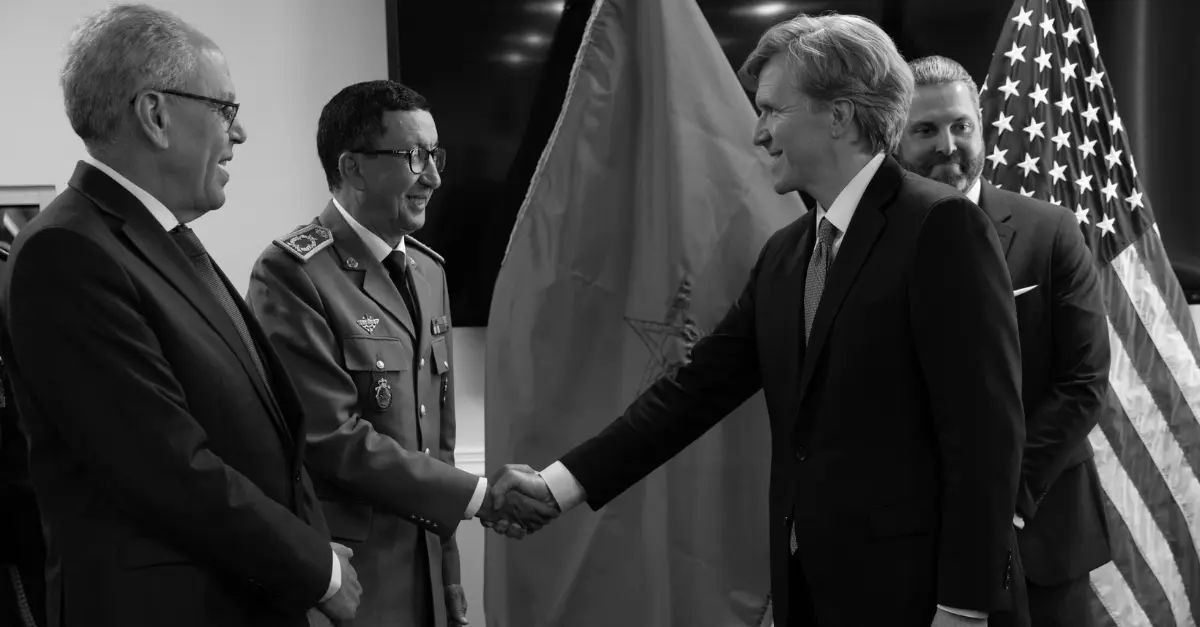
Personnel expenditure remains dominant, while about a quarter of appropriations is directed toward investment and military equipment. This budget structure illustrates the combination of financing the military institution’s current expenses and the gradual modernization of its capabilities.
Budget Breakdown and the Ceiling for Advance Commitments
Data provided by a government official and confirmed by several analyses of the draft finance bill detail the breakdown. Around 65% of the envelope, or nearly 49.34 billion dirhams, is devoted to employee and staff expenses. Eleven percent, or about 8.37 to 8.4 billion dirhams, covers equipment and miscellaneous expenses (maintenance, logistics, support). The remaining 24%, or about 18.7 billion dirhams, concerns investment appropriations and military equipment.
This notably includes 7.2 billion dirhams in payment appropriations for investment in 2027, in addition to 8 billion dirhams in commitment appropriations for the following years, as well as roughly 11.5 billion dirhams (11.49 billion according to the details provided) allocated to the account for the acquisition and repair of FAR equipment and to supporting the development of the defense industry. The general budget’s investment appropriations also include these 8 billion dirhams in commitments that are not part of the expenditure payable in 2027.
A structuring element is the ceiling on expenditure that the Minister Delegate may commit in advance during 2027 against appropriations that will be opened in 2028. This ceiling reaches 190.5 billion dirhams, compared with 157.17 billion in 2026, an increase of about 33.3 billion dirhams, or 21.2%. It stood at 133.45 billion in 2025 and 124.77 billion in 2024. This mechanism, standard for armament programs with long manufacturing and delivery cycles, authorizes multi-year commitments without guaranteeing full spending in 2027.
The appropriations actually allocated to the special account for 2027 remain stable at around 11.5 billion. According to government explanations, these funds are part of multi-year programs to modernize existing equipment, acquire new materiel, and improve operational capabilities in the land, maritime and air domains, in line with the evolution of threats.
Key figures of the 2027 defense budget
- Total appropriations for the National Defense Administration: 76.4 billion dirhams (+4.7% compared with 2026)
- Personnel expenditure: about 49.34 billion dirhams (nearly 65%)
- Equipment and miscellaneous expenses: about 8.4 billion dirhams (11%)
- Investment and military equipment: about 18.7 billion dirhams (24%), including 7.2 billion in payment appropriations and about 11.5 billion for the special account
- Ceiling for advance commitments for 2027 (against 2028 appropriations): 190.5 billion dirhams (+21.2%)
- New budgetary positions: 5,500
Developing a National Industrial Base and Recruitment
The report highlights ongoing work to develop a national military industrial base, by encouraging investment and establishing partnerships with specialized international players. The aim is to benefit from technology and expertise transfers, develop manufacturing, maintenance and repair capabilities on Moroccan soil, and gradually reduce dependence in certain areas.
Loudiyi stressed the importance of a system based on attracting foreign investment, integrating Moroccan companies into production chains, and encouraging scientific and technological research, while training qualified human resources. Concrete projects include the manufacture of armored military vehicles in the Berrechid region, in partnership with the Indian group Tata Advanced Systems, whose plant was inaugurated in 2025 to produce WhAP 8×8 vehicles for the FAR and for export. The Benslimane defense industrial zone project aims to provide specialized space, with the creation of a dedicated company to manage defense industrial zones.
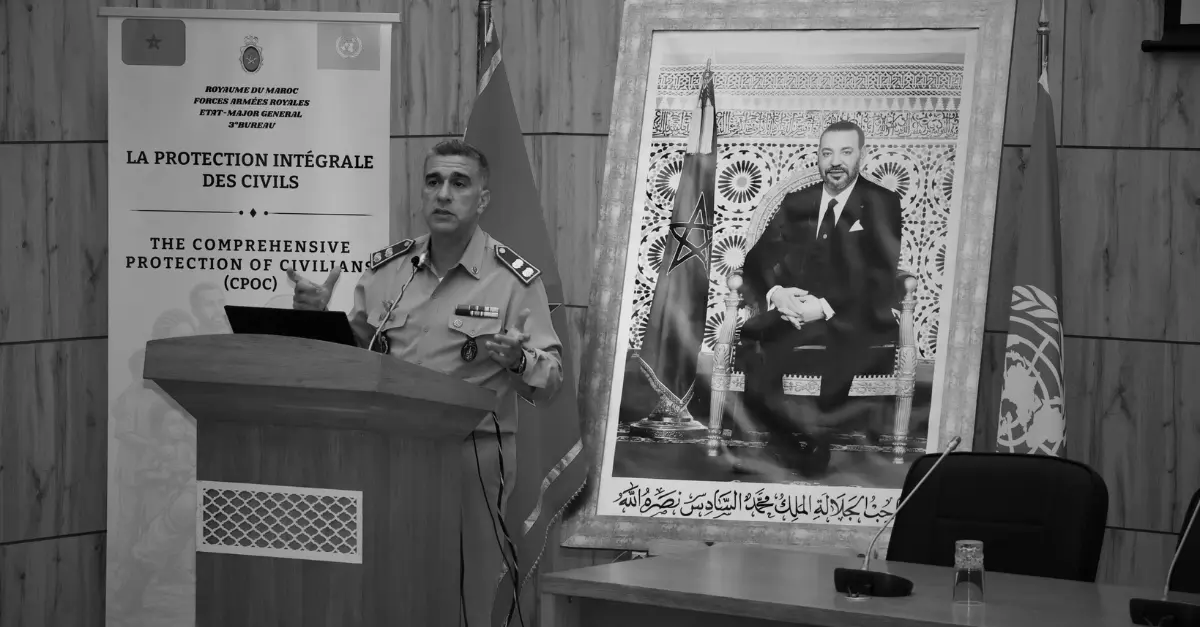
During the parliamentary discussions on the 2027 budget, Loudiyi announced the authorization of industrial projects linked to defense activities for a total investment of 333 million dollars, likely to generate more than 3,500 direct jobs, with about 317 million dirhams in subsidies mobilized to support these agreements.
Incentive measures, notably tax-related and industrial offsets, aim to encourage technology transfer and local anchoring. The discussions also covered cooperation with the Ministry of Industry and Trade, fast-evolving fields such as drones, electronic systems, artificial intelligence and cybersecurity, as well as the strengthening of national capabilities to protect information systems in the face of growing dependence on digital means.
On the human resources side, the draft finance bill provides for the creation of 5,500 budgetary positions for the National Defense Administration. This is part of the institution’s modernization and the development of its operational capabilities, alongside training and qualification programs and improved working conditions. Military service continues its efforts in the vocational and technical training of recruits, with broader opportunities for economic and social integration after service, and improved reception and supervision conditions in the centers.
Particular attention is paid to technical and technological specializations linked to modern equipment. On the social and health front, the report mentions the development of health and social services for FAR members and their dependents, the modernization of military medical facilities, and social coverage and housing programs.
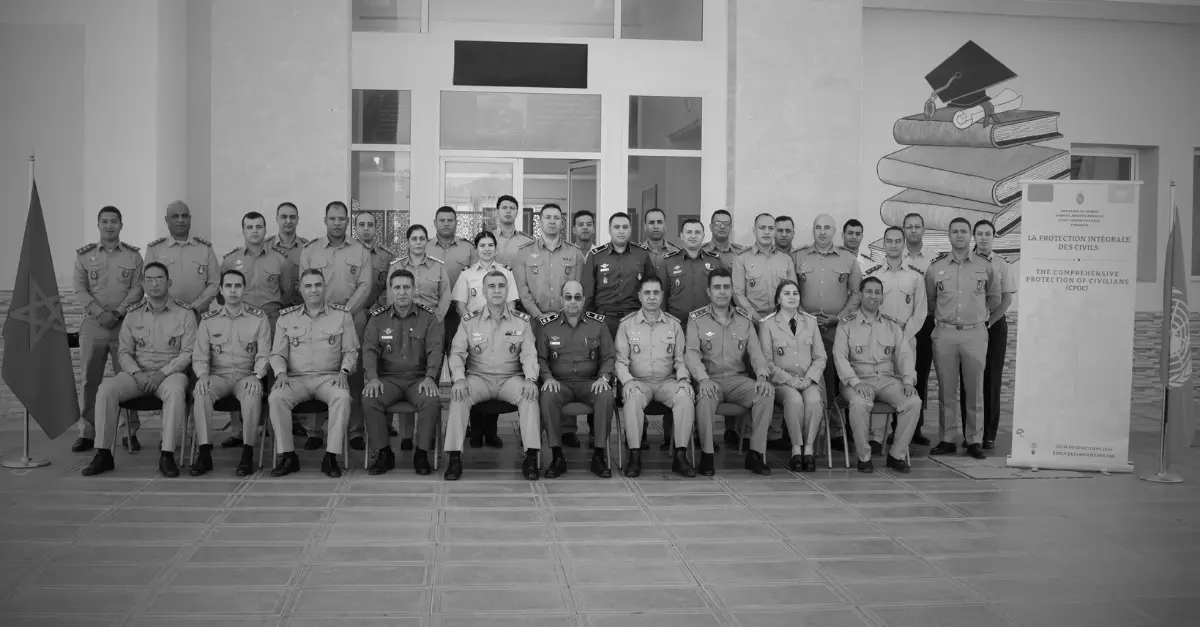
International military cooperation continues through joint exercises and maneuvers, notably the “African Lion” exercise, as well as training programs and exchanges of experience. The FAR take part in international peacekeeping operations and humanitarian initiatives, which helps develop operational expertise and coordination with partners.
Strategic Stakes, Outlook and Perspectives
Why does this subject matter beyond the budget figures? Morocco operates in a strategic environment shaped by the management of the Western Sahara dispute, notably after the non-renewal of MINURSO and the associated repositioning, as well as by the long-term rivalry with Algeria, which structures part of North African security and influences dynamics in the Sahel.
Investments in defense modernization and industry aim to consolidate a gradual strategic autonomy, improve resilience to threats, and turn part of the military effort into industrial and technological opportunities.
From the official Moroccan standpoint, the goal is to move from a logic of importing capabilities to building defensive sovereignty, with benefits in skilled jobs and potential exports. Military analysts, such as those cited in specialized publications, point out that the advance commitment ceiling eases negotiations on multi-year contracts while keeping cash flows under control.
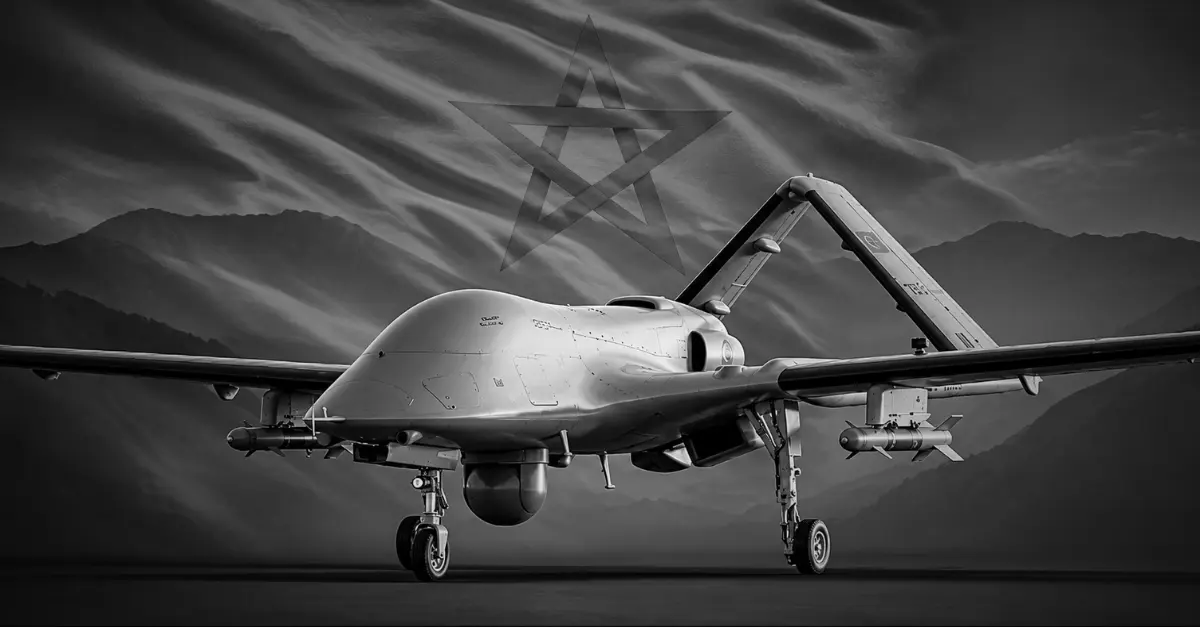
More critical or regional viewpoints exist. Some Algerian or Polisario-aligned observers interpret these efforts as increased militarization likely to fuel tensions, notably after MINURSO’s departure and the mobilization announcements.
Other, more measured analyses consider that the capability gap and the diplomatic framework make open confrontation unlikely, while recommending caution. Economically, the shift toward the defense industry raises questions of opportunity cost relative to other social priorities, even though the overall 2027 budget is presented as strongly social in nature. The actual delivery of technology transfers and local integration will depend on the execution of partnerships (Tata, the Benslimane zones and others) and on the ability to build a specialized workforce.
In conclusion, Morocco’s 2027 defense budget confirms a strategy of continuous modernization and the gradual construction of an industrial base, with an emphasis on human resources through the 5,500 positions and training. The figures are clearly attributable to the draft finance bill and the parliamentary report, and the advance commitment mechanism allows for multi-year planning.
The outcomes will depend on execution, the regional context, and the ability to convert investments into lasting operational and industrial capabilities. The evolution of the Sahara issue and of bilateral relations will remain a determining factor in the years ahead.
FAQ
How many new positions are being created for defense in 2027?
The draft finance bill provides for 5,500 budgetary positions for the National Defense Administration.
What share of the defense budget goes to investment?
About 24%, or nearly 18.7 billion dirhams, is allocated to investment and military equipment, according to the report’s data.
Will the 190.5 billion dirham ceiling be fully spent in 2027?
No. It is a ceiling for advance commitments against 2028 appropriations for multi-year programs, not a full annual expenditure.
Why is Morocco developing a defense industry?
To gradually reduce external dependence, benefit from technology transfers, create skilled jobs and strengthen strategic autonomy, according to government presentations.