
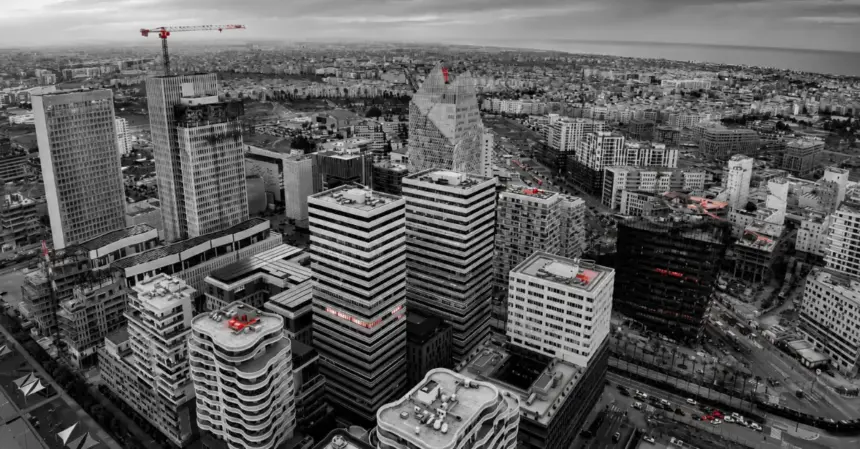
Morocco’s economic capital, which accounts for around 35% of national GDP according to available economic data, remains the kingdom’s main hub for real estate activity and transactions. Against this backdrop, a trend is taking shape at the high end of the market: the integration of dedicated wellness spaces and services into new residences. What some developers and buyers now call “Wellness Homes” is not an official statistical category, but a visible orientation in recent programs in Anfa and Aïn Diab.
The topic matters because Casablanca is not Marrakech. Here, residential luxury is mainly urban, driven by permanent or semi-permanent residents — local business leaders, expatriate executives and Moroccans residing abroad (MRE) — rather than by a purely tourist clientele. The stakes are both economic (asset appreciation, appeal to talent and investors) and strategic (the city’s positioning against other African and Mediterranean hubs).
A Luxury Market Stabilizing in Casablanca
According to the Real Estate Asset Price Index (IPAI) published jointly by Bank Al-Maghrib and the National Agency for Land Registry, Cadastre and Cartography (ANCFCC), the national market recorded a moderate price increase in 2025. In the third quarter of 2025, the index rose 1.2% year-on-year, driven in particular by residential property (+1.5%). In Casablanca, reports based on this data point to positive transaction momentum (a 23.7% increase in Q3 2025, according to observer summaries citing official figures), while prices are moving more modestly.
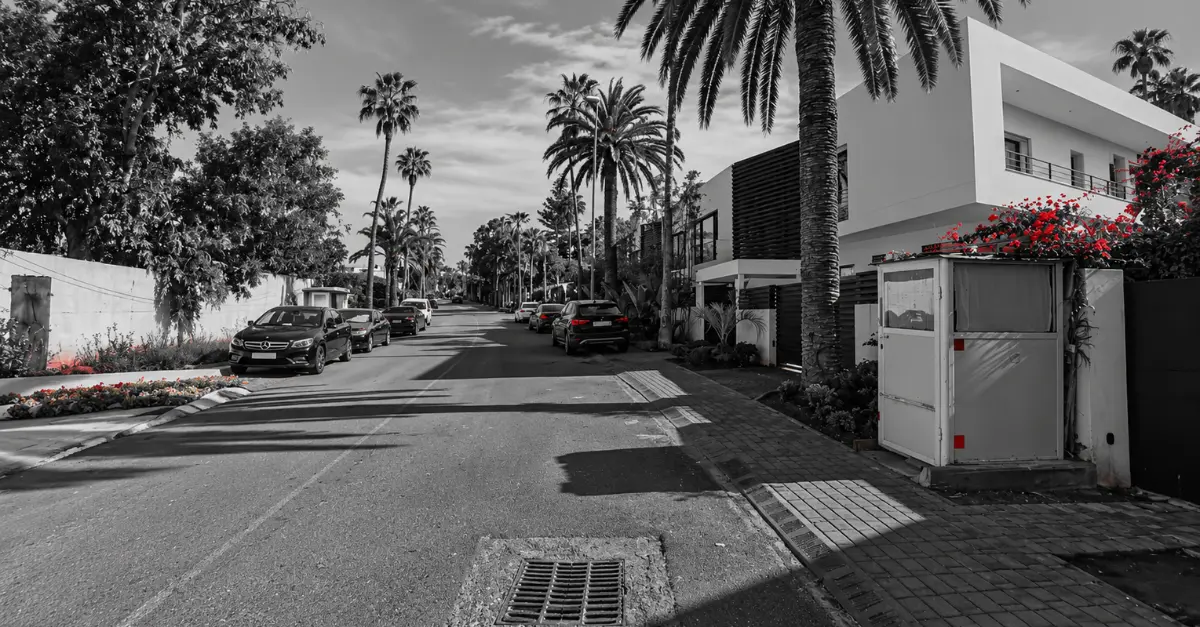
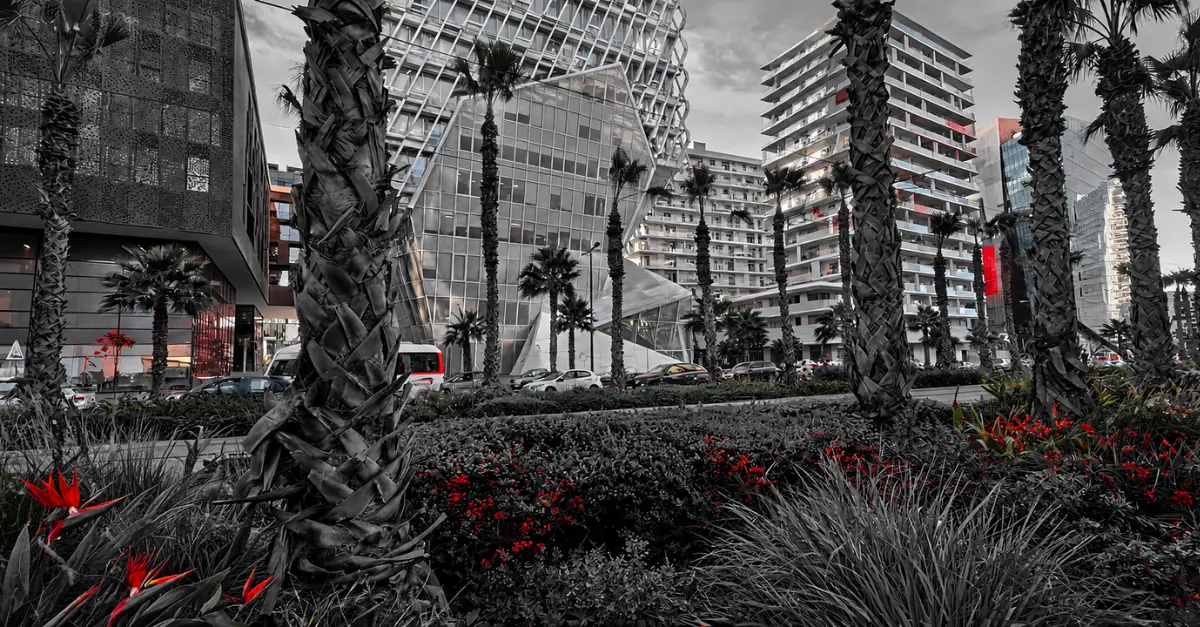
In premium neighborhoods, the gaps are significant. Market analyses from 2025-2026 place high-end new-build programs in Anfa, Racine or around Casa Finance City between 18,000 and 25,000 MAD/m², and even higher in certain Anfa Supérieur addresses (ranges of 22,000 to 35,000 MAD/m² according to professional sources). In Aïn Diab, median listing prices are often around 20,000 to 28,000 MAD/m², with peaks for properties with sea views or integrated services. These levels remain selective: well-located, well-maintained properties find buyers, while older or lower-quality stock takes longer to sell. Transactions are frequently made in cash or through asset reallocation, which sets Casablanca apart from other markets that depend more heavily on credit.
This overall stability masks a polarization. The high-end segment benefits from structural demand linked to the concentration of skilled jobs and the scarcity of well-placed land near the corniche or business districts.
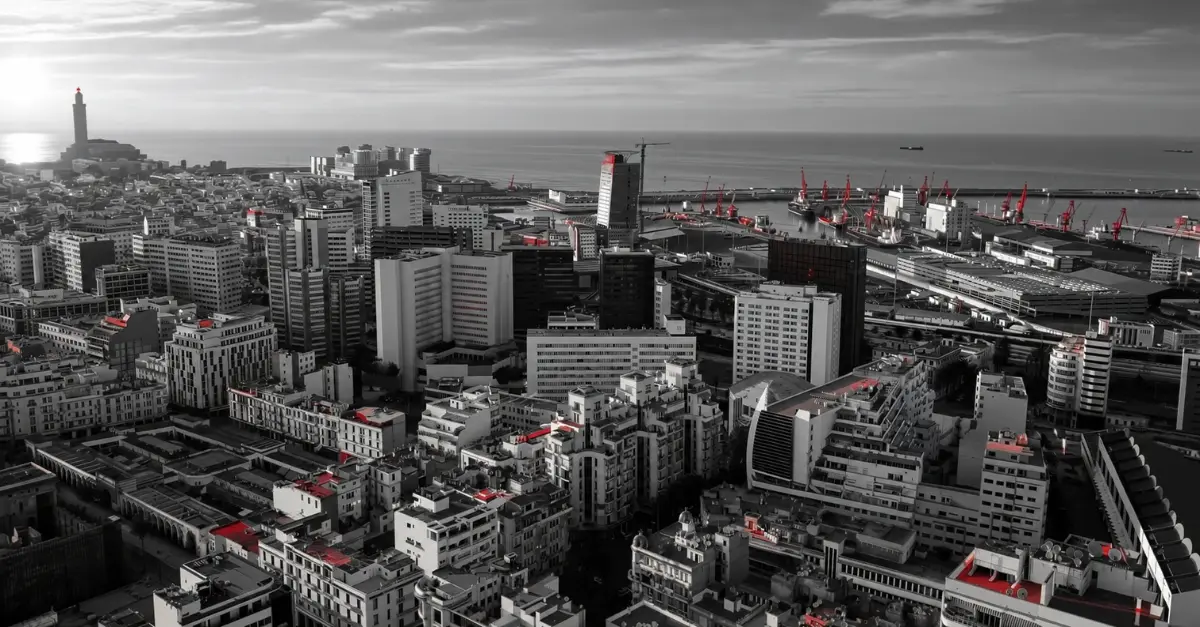
Projects Making Wellness a Standard Feature
It is within this framework that new programs emphasizing wellness are emerging. This is not an “explosion” measurable by a dedicated index — no official statistic isolates “Wellness Homes” — but a growing shift among developers toward amenities that respond to demand for quality of life.
Two examples illustrate this evolution. The Elie Saab Casablanca Art of Living project, announced as the first branded lifestyle residences in Morocco, brings together the Elie Saab fashion house and Art of Living / Ektar (linked to the Arena group). The villas, designed by the firm SAOTA, and the apartments include a clubhouse with fitness and yoga spaces, pools (heated and infinity), running tracks, 24/7 concierge service and coworking areas. The architecture and landscaping are presented as promoting harmony with the environment and everyday well-being. Delivery is scheduled around the fourth quarter of 2028, according to the project’s communications.
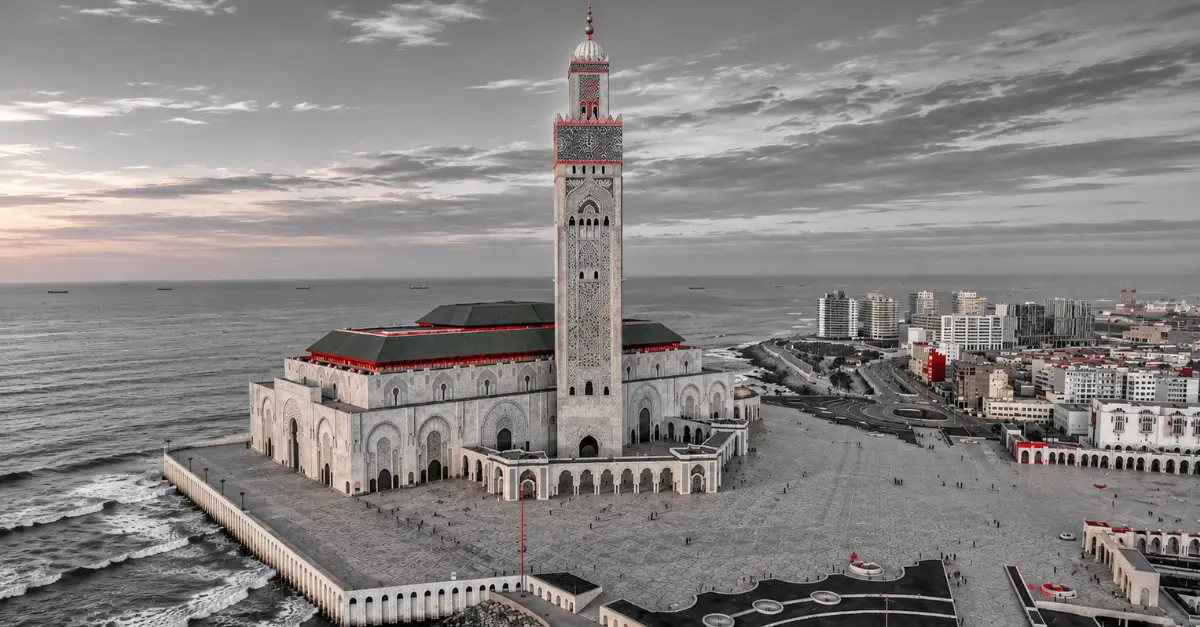
For its part, Anfa Cliff offers private residences paired with a Social Wellness Club (fitness, spa, pool, kids club) and a Wellness Center designed by interior architect Ali Lahlou. The latter draws on cliffs and a mineral, organic vocabulary (polished concrete, raw materials) for a complex that includes a hammam, spa, massage rooms and a heated indoor pool. The project positions itself as a living environment that places the wellness experience at the heart of the real estate offering.
These developments join older residences that already featured pools and gyms, but with a higher level of integration and design. Buyers are looking for security, concierge services, centralized maintenance and dedicated health spaces, in addition to the address.
- Indicative prices observed in Casablanca’s premium market (listings and analyses 2025-2026): new-build Anfa Supérieur often 22,000–35,000 MAD/m²; Aïn Diab medians around 20,000–28,000 MAD/m² according to surveys; significant variations depending on view, floor and services.
- Recurring buyer profiles: Moroccan executives and entrepreneurs, MRE, international executives and expatriates, with a share of Gulf investors in certain programs.
Economic Stakes and Buyer Profiles
Why does this shift matter? For buyers, it is often about preserving wealth while improving daily life, in a context where remote work and quality-of-life expectations have evolved since the pandemic. Wellness spaces (spa, fitness, hammam) are becoming a differentiating factor and a driver of future liquidity, especially for a clientele that compares with international standards (Dubai, certain European cities).
Economically, these projects help densify the premium offering in already high-value areas, which can support prices locally without creating widespread overheating. As a business hub, Casablanca also attracts people looking for a practical primary or secondary residence close to corporate headquarters and Casa Finance City. The geopolitical and strategic stakes are more indirect: strengthening the city’s appeal to international talent and capital, at a time when Morocco is betting on infrastructure projects (including those tied to the 2030 World Cup) to modernize its major cities.
Views differ on the durability of this demand. Some market observers point out that the high end remains resilient thanks to qualitative scarcity and cash transactions. Others note that the overall market is polarized and that high condominium fees (often 1,000 to 1,800 MAD/month in premium residences, according to agents’ accounts) may deter some buyers. There is also a risk of amenity standardization: if too many projects offer the same facilities, differentiation will have to come from location, build quality and management.
Looking Ahead
In the medium term, the trend toward wellness-oriented residences is expected to continue in Casablanca’s luxury segment, driven by the preferences of affluent buyers and by developers’ desire to position themselves against international standards. It will remain selective, however. IPAI data and transaction volumes point to a market recovering in a measured way, without euphoria. Limited high-quality supply in the best addresses (Anfa Supérieur, parts of Aïn Diab) continues to support values, while new projects will have to win buyers over through actual execution, beyond brochure promises.
The outlook will also depend on interest rate trends, local economic growth and Casablanca’s ability to maintain its role as a business hub. For now, “Wellness Homes” illustrate how Moroccan urban luxury is adapting to contemporary expectations around health and comfort, without transforming the market as a whole.
FAQ
What is a “Wellness Home” in Casablanca?
It refers to high-end residences that include dedicated wellness facilities (spa, hammam, fitness, pools, yoga spaces) and often concierge services, rather than a standard villa or apartment. It is not an official statistical category.
Are prices in Casablanca’s premium market rising sharply?
IPAI data from Bank Al-Maghrib and ANCFCC show moderate increases (around 1% year-on-year in certain periods of 2025). In the best addresses, prices remain high and selective (often 20,000 MAD/m² and above), but the market is not broadly overheated.
Who mainly buys these properties?
Mainly Moroccan executives and entrepreneurs, MRE, and international executives or expatriates. Transactions are often made in cash or through asset reallocation.
Are there specific risks with this type of project?
As with any high-end new build: build quality, the level of condominium fees, and future liquidity. Location and management remain decisive.