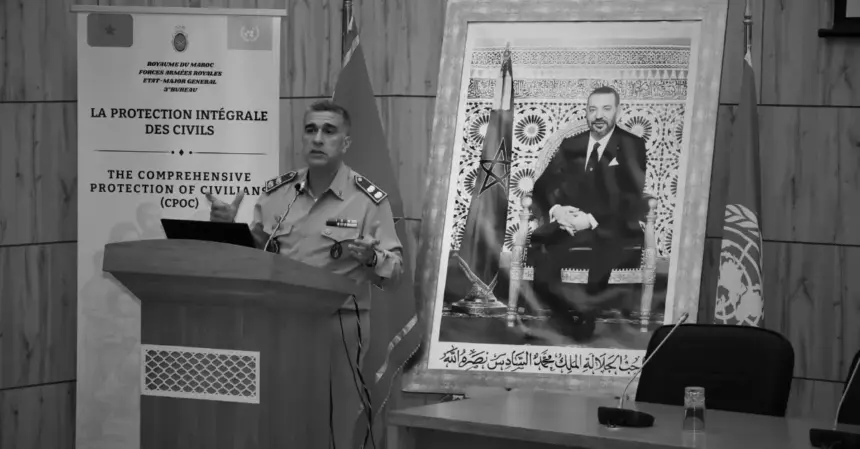
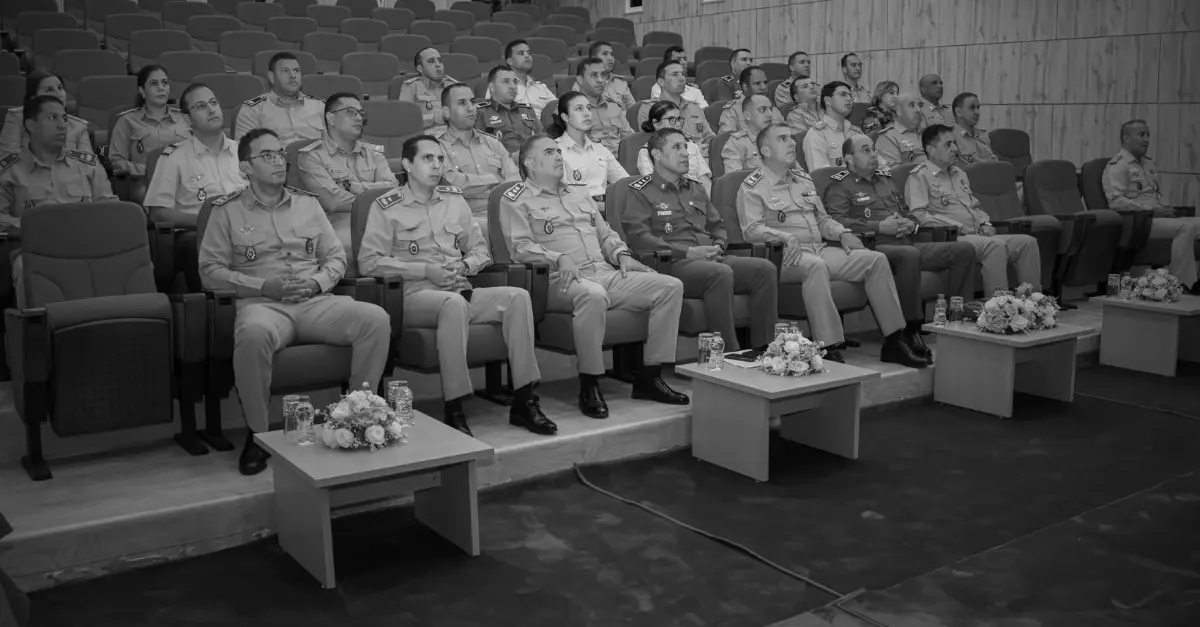
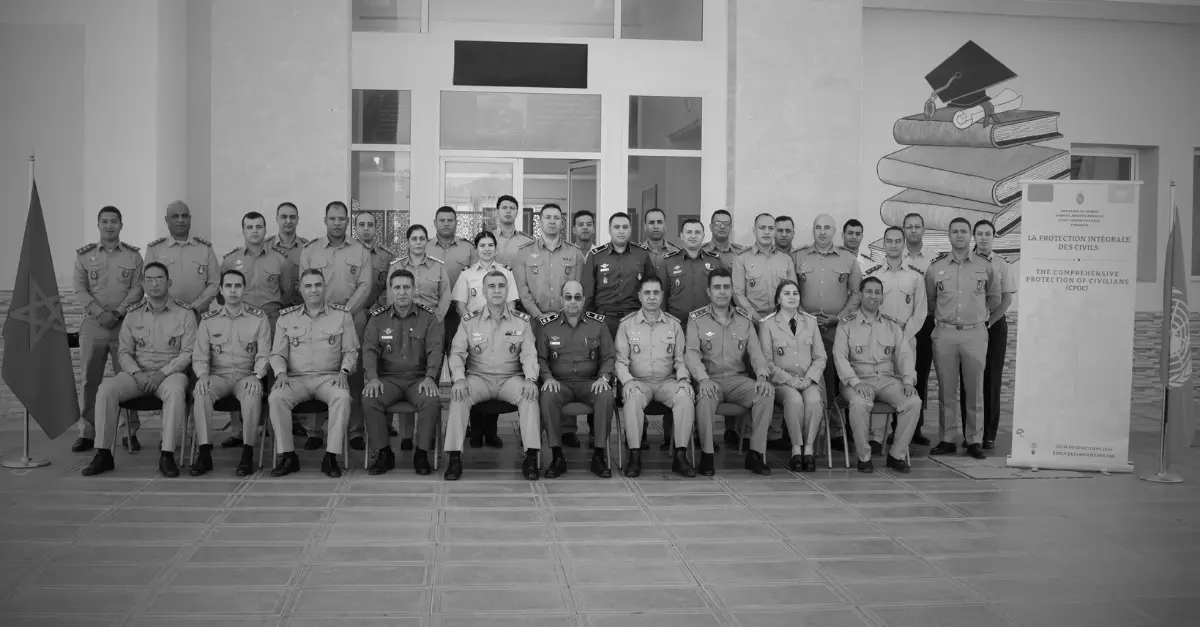
Military officers, trainers and trainees took part in the session, which prepares them for the civilian protection requirements of peacekeeping operations.
The initiative comes at a time when UN missions expose contingents to multiple threats: physical violence, child recruitment and conflict-related sexual violence. For a country like Morocco, a regular troop contributor, mastering these standards underpins both operational effectiveness and international credibility.
A Long-Standing Commitment to Peacekeeping Operations
Morocco has taken part in United Nations peacekeeping operations since the 1960s. According to data published by the United Nations in Morocco and recent reports, more than 84,000 Moroccan military personnel have been deployed across around fifteen operations. The Kingdom is currently among the leading African contributors, with roughly 1,500 to 1,700 uniformed personnel engaged in missions such as MINUSCA in the Central African Republic, MONUSCO in the Democratic Republic of the Congo, UNMISS in South Sudan and UNISFA in Abyei, according to figures consolidated by the Department of Peace Operations and official Moroccan statements.
These deployments take place in environments where the protection of civilians is often a priority mandate of the Security Council. The UN’s 2023 policy on the protection of civilians defines this task as integrated and coordinated activities aimed at preventing, deterring or responding to threats of physical violence against civilians, within the limits of the mission’s capacities and without prejudice to the host state’s primary responsibility. Moroccan contingents operate in contexts where this responsibility frequently runs up against logistical constraints, non-state armed actors and complex local dynamics.
The Language School of the Royal Armed Forces, an institution dedicated to the linguistic and technical training of officers and non-commissioned officers, provides a suitable setting for this type of session. Historically focused on teaching operational languages (English, French and other strategic languages), it contributes to the interoperability of forces in multinational environments. Hosting CPOC-26 there highlights the link between language skills and protection know-how.
Comprehensive Protection of Civilians as an Integrated Approach
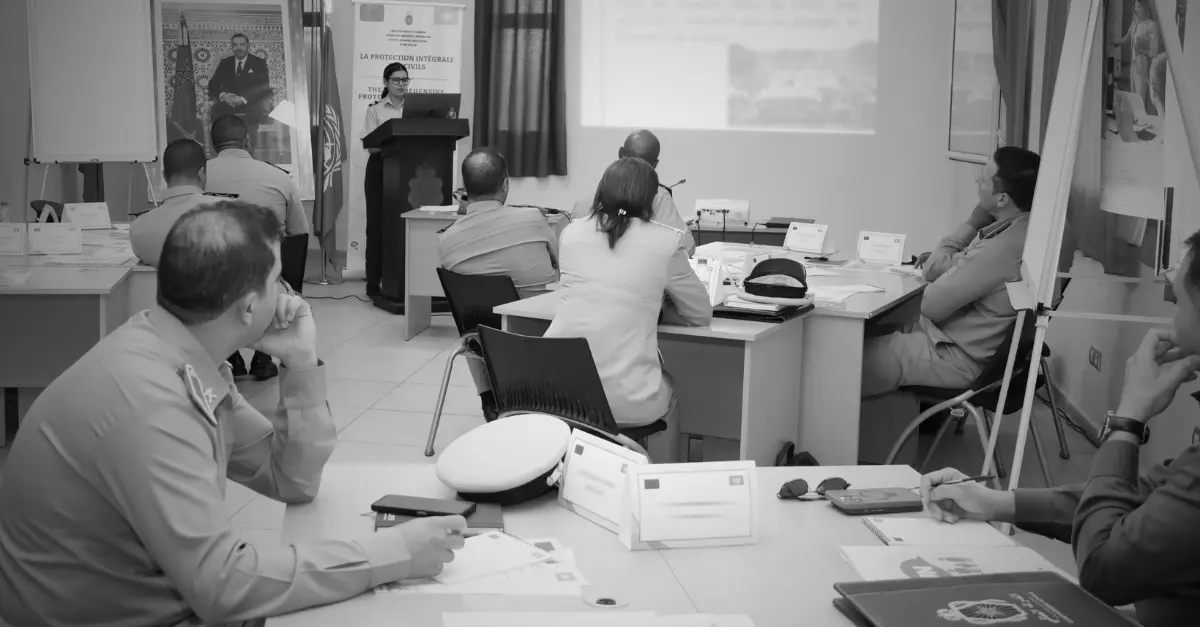
The CPOC-26 training is aligned with the frameworks developed by the Integrated Training Service of the United Nations Department of Peace Operations. These materials, intended primarily for tactical-level military decision-makers, combine the protection of civilians in the strict sense, child protection and the prevention of conflict-related sexual violence. They include planning exercises, threat assessments and practical scenarios designed to integrate these dimensions into command processes.
Looking at recent developments, I note that this approach answers a recurring criticism of earlier training: its fragmentation. Isolating the protection of civilians from child protection or sexual violence limited operational relevance. The “comprehensive” version aims for an overall view, suited to the realities of today’s missions, where these threats overlap.
The precise content delivered during this first session at the Language School has not yet been made public in detail. The available information is limited to the general framework provided by the organizers: participation of officers, trainers and trainees, and a focus on the requirements of peacekeeping operations. Given UN standards, it is reasonable to assume that the session covered legal frameworks (international humanitarian law, human rights), the responsibilities of contingents, and coordination arrangements with the civilian and police components of missions.
Key features of the CPOC approach according to UN frameworks
- Integration of the protection of civilians, child protection and the fight against conflict-related sexual violence
- Focus on the tactical level (battalion commanders and staff)
- Planning and threat assessment tools
- Possible use for pre-deployment or in-mission training
This training comes as Morocco already has a Centre of Excellence for peacekeeping operations, being gradually made operational and intended to host training on related themes, including the protection of civilians, according to earlier statements by Moroccan officials and partnerships with the United Nations.
Strategic Stakes and Points of Debate
From a geopolitical standpoint, this session strengthens Morocco’s position as a trainer and contributor in the French-speaking and African sphere. The Kingdom actively participates in the Triangular Partnership with the United Nations to strengthen peacekeeping capacities, and several French-language training courses have already been held on its territory. In a Mediterranean basin marked by instability in the Sahel, Libya and the Middle East, the ability to prepare contingents to contemporary protection standards is as much a diplomatic asset as an operational one.
Debates persist, however, over the real effectiveness of civilian protection mandates. Some military observers and analysts stress that contingents, even well trained, remain constrained by rules of engagement, available resources and the host state’s primary responsibility. Others point to the partial successes seen in certain missions, while noting the human cost: the United Nations has on several occasions honored Moroccan peacekeepers who fell in service, and more than 60 Moroccan soldiers have lost their lives since the Kingdom began participating.
The link with other recent Moroccan commitments, such as the preparation of personnel for the International Stabilization Force in Gaza (training reported from summer 2026 according to Israeli and Moroccan media sources), illustrates a diversification of intervention profiles. These contexts are not identical to classic peacekeeping missions, but they share the requirement of well-managed interaction with civilian populations.
Domestically, holding the session at the Language School rather than exclusively at the Benslimane Centre of Excellence may reflect a desire to anchor these trainings in the existing network of Royal Armed Forces institutions, or to build on language capacities for mixed audiences. No detailed official statement has yet explained the reasons for this choice of venue.
Looking Ahead
This first CPOC-26 session marks a step in the Royal Armed Forces’ ongoing adaptation to evolving UN standards. It forms part of a broader trajectory that includes strengthening the Centre of Excellence, training partnerships, and active participation in African and international debates on child protection in armed conflict.
It remains to be seen how this training will translate into the preparation of deployed contingents, and whether it will lead to later sessions open to regional partners. In an environment where threats against civilians are becoming more complex, the ability of troop contributors to coherently integrate protection dimensions determines not only mission performance, but also the political legitimacy of peacekeeping operations themselves.
Detailed public information on how the CPOC-26 session actually unfolded remains limited at this stage. Future developments, whether from the Royal Armed Forces or UN partners, will make it possible to gauge its scope more precisely.
FAQ
What is Comprehensive Protection of Civilians (CPOC)?
It is a United Nations training framework that combines the protection of civilians, child protection and the prevention of conflict-related sexual violence, aimed primarily at tactical-level military personnel in peacekeeping operations.
How large is Morocco’s contribution to peacekeeping operations?
According to UN and Moroccan data, the Kingdom has deployed more than 84,000 military personnel since the 1960s and currently maintains around 1,500 to 1,700 personnel across several African missions.
Why was this training held at the Royal Armed Forces Language School?
The institution traditionally trains officers in the languages and technical skills needed for international interoperability. Hosting CPOC-26 there places protection training within the framework of preparation for multinational operations. The precise reasons for the choice of venue have not been publicly detailed.
Is this session linked to the Centre of Excellence for peacekeeping operations?
It pursues the same goal of capacity building but takes place in a different Royal Armed Forces institution. The Benslimane Centre of Excellence continues to develop in parallel on related themes.