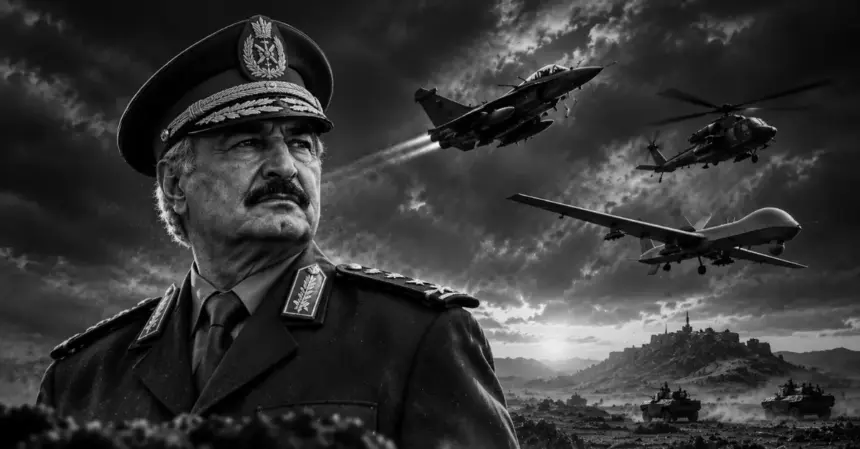
Having followed the evolution of Khalifa Haftar’s forces for several years, I have found that the air component of the Libyan National Army (LNA) is a structural asset, well beyond the columns of light vehicles that are so often highlighted. It supports ground operations, monitors vast desert expanses, secures oil routes and projects a presence across the eastern and southern territory the LNA controls. In October 2026, this air arm remains largely inherited from the Soviet era, but it is being enhanced by modern drones and benefits from external backing that strengthens its operational effectiveness.
An inherited but still active combat fleet
The LNA relies on combat aircraft of Soviet and French origin. The main documented types are the MiG-21 (fighter and support), the MiG-23 (fighter and ground attack), the Su-22 (ground attack) and the Mirage F1 (fighter and reconnaissance). A 2018 ISPI study listed potentially around twenty combat aircraft of these types, only some of which were operational.
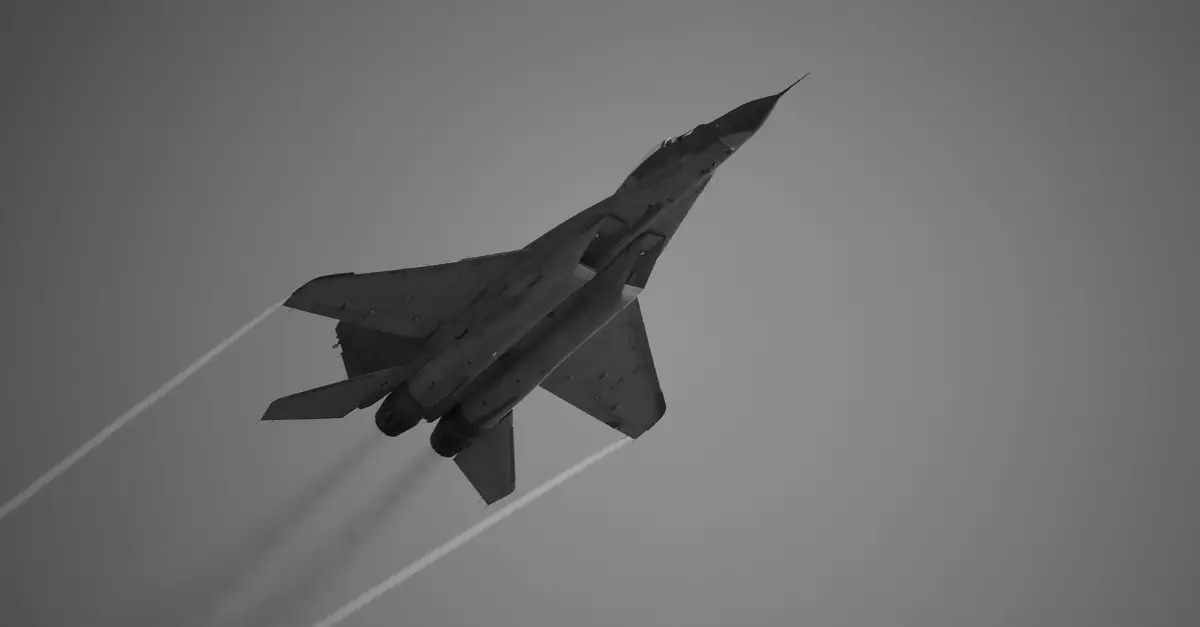
More recent estimates, notably those of Silent Dossier in October 2026, put the LNA’s total aircraft (combat, transport and helicopters) at between 20 and 60 units, with around fifteen potential combat aircraft. Availability remains limited by the age of the airframes and by maintenance constraints, but these aircraft continue to be used for support and reconnaissance missions.
| Model | Origin | Role | Estimated number / status | Notes |
|---|---|---|---|---|
| MiG-21 | USSR | Fighter / support | Historical (roughly 10-18 previously recorded) | Current availability limited; type still documented |
| MiG-23 | USSR | Fighter / ground attack | Historical (a few units) | Presence documented; low serviceability rate |
| Su-22 | USSR | Ground attack | Historical (a few units) | Presence documented |
| Mirage F1 | France | Fighter / reconnaissance | Historical (2 reported) | Presence documented; current condition uncertain |
| JF-17 Thunder | Pakistan / China | Multirole | 16 ordered (not delivered) | Deal reported in December 2025 (~$4 billion); deliveries planned over ~2.5 years (Reuters) |
| Il-76 | USSR | Heavy transport | Presence documented | Several airframes linked to the LNA in open databases |
| C-130 Hercules | United States | Tactical transport | Historical | Mentioned in earlier inventories |
| An-32 | Ukraine / various | Tactical transport | Presence reported | Aviation databases |
| L-39 Albatros | Czechoslovakia | Trainer | Several units | Open inventories; exact number uncertain |
| Super Mushshak | Pakistan | Basic trainer | 12 ordered | Included in the 2025 Pakistani deal; not delivered |
| MiG-29 (eastern bases) | Russia | Fighter | Not counted as LNA assets | Operated under Russian control (Africa Corps) |
MiG-29s operate from bases in the east, but they are under Russian control and are not part of the LNA fleet. In December 2025, Reuters reported a deal worth around $4 billion with Pakistan, including 16 JF-17 fighters (developed with China) and 12 Super Mushshak trainer aircraft. No delivery had been confirmed by the end of 2026, but this contract, if it materializes, would significantly modernize the combat fleet.
Aircraft, helicopters and drones supplied or used for Haftar’s benefit by the UAE
| Aircraft | Type | Role | Status |
|---|---|---|---|
| IOMAX AT-802i / Archangel | Light attack aircraft | Ground attack, troop support | Aircraft supplied by the Emirates have been reported within Haftar’s forces. |
| Mirage 2000-9 | Multirole fighter | Air combat, ground strike | Emirati aircraft have been linked to operations in support of Haftar. No confirmed donation to his forces. |
| Mi-24P Hind | Attack helicopter | Fire support, destruction of vehicles and positions | Transfers attributed to the Emirates have been documented. |
| UH-60M Black Hawk | Transport helicopter | Troop transport, military missions | Aircraft supplied by the Emirates have been mentioned in UN reports. |
| Schiebel S-100 Camcopter | Reconnaissance drone | Surveillance and intelligence | Two units were reportedly transferred to Haftar’s forces in 2015. |
Transport aircraft and helicopters serving logistics
Transport aircraft (Il-76, An-32 and others) move troops and equipment across Libyan territory. Several Il-76s are linked to the LNA in open databases. Helicopters, mainly Mi-24/35 attack helicopters and Mi-8/17 transports, provide close support and tactical mobility.
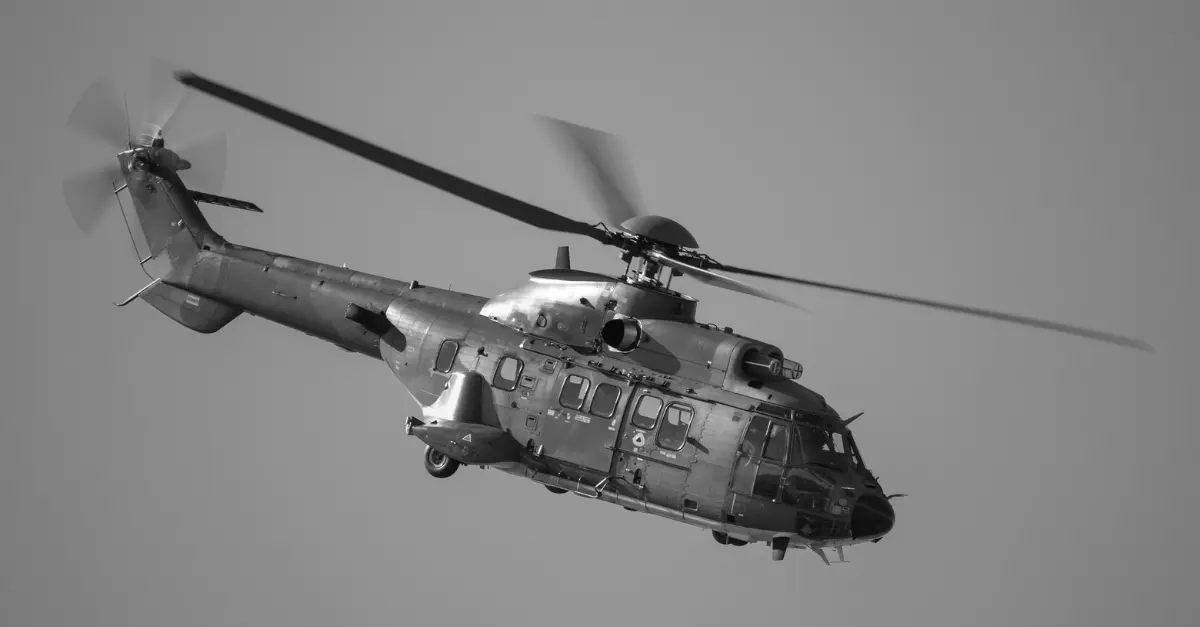
ISPI’s historical inventories mentioned seven attack helicopters and about fifteen transport helicopters, with variable availability. These platforms remain useful for operations in the south and around the oil fields.
| Model | Origin | Role | Estimated number / status | Notes |
|---|---|---|---|---|
| Mi-24 / Mi-35 | USSR / Russia | Attack / troop transport | Historical (about 7 recorded in 2018) | Current availability limited; presence documented |
| Mi-8 / Mi-17 | USSR / Russia | Transport / logistics | Historical (about 14 Mi-8/14/17 in 2018) | Presence documented; availability rate hard to establish |
| Mi-14 | USSR | Specialized (depending on version) | Historical mention | Current availability unknown |
| Gazelle (SA342) | France | Reconnaissance / light support | A few units reported | Historical transfers (including via the Emirates) |
| Super Puma / AS532 | France / Europe | Transport | A few historical units | Transfers reported (e.g. 2019) |
Drones: an expanding capability
Drones represent the most marked evolution in Haftar’s air arsenal. A Reuters investigation published on April 2, 2026, based on satellite images analyzed by experts, identified the probable presence of at least three combat drones at Al-Khadim air base: one Chinese Feilong-1 (medium-endurance reconnaissance and attack) and two Turkish Bayraktar TB2s.
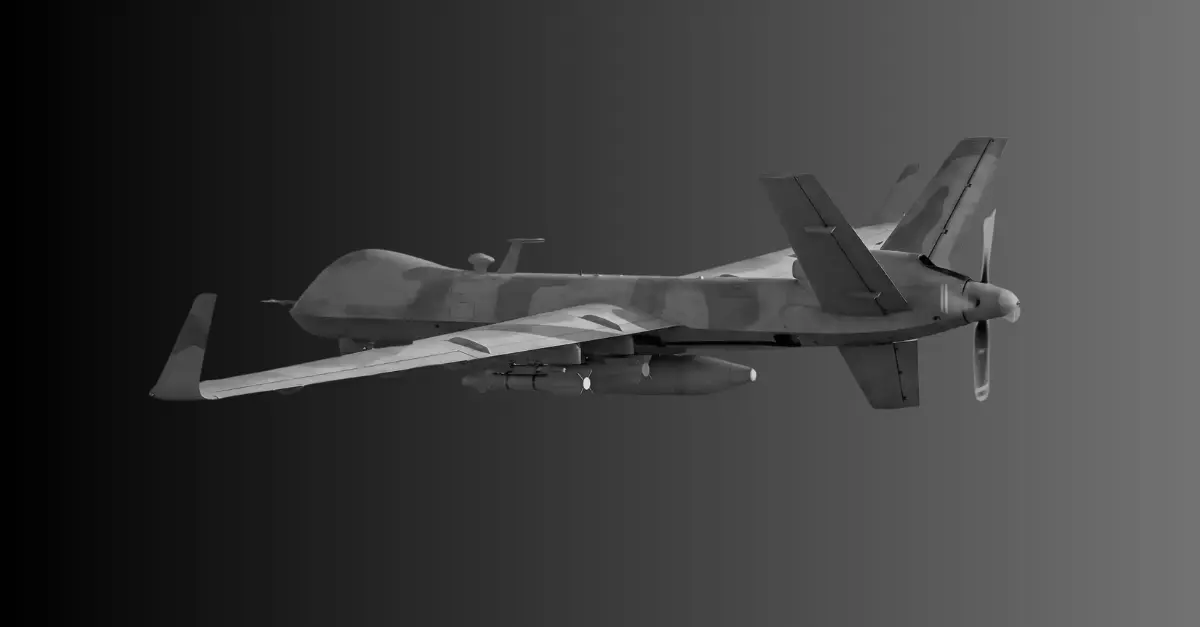
Ground control equipment was still visible in 2026. Reuters did not establish who operates them or who delivered them, but their presence strengthens surveillance and precision-strike capabilities.
| Model | Origin | Type / Role | Estimated number / status | Notes |
|---|---|---|---|---|
| Feilong-1 (FL-1) | China | Reconnaissance and attack (MALE) | 1 probable at Al-Khadim | Identified by experts on 2025-2026 satellite images; operator unconfirmed (Reuters, April 2, 2026) |
| Bayraktar TB2 | Turkey | Reconnaissance and guided strike | 2 probable at Al-Khadim | Identified on satellite images; control equipment visible in 2026 (Reuters) |
| Mirotvorets | Belarus | Loitering munition (jet-propelled, ~180 km, 10 kg) | ≥ 10 visible | LNA command parades and photos, October 2026; special operations units |
| Wing Loong II | China | Long-endurance reconnaissance and strike | Historical (departed 2020) | Present at Al-Khadim before 2020; fleet reported as having left (UN reports) |
| Wing Loong I | China | Reconnaissance and attack | Historical / transfers reported | Mentioned in reports on arms embargo violations; current possession not established |
| Orlan-10 | Russia | Reconnaissance / observation | Reported | Present in reports on Libyan armed groups; operator sometimes uncertain |
| Zala 421-16E | Russia | Reconnaissance | Reported | Reports on equipment associated with Haftar’s camp; current situation unknown |
| Schiebel Camcopter S-100 | Austria | Reconnaissance (rotary-wing) | Historical delivery (2015) | Two units reported; current status not established |
| Ababil-2 | Iran | Reconnaissance / attack (depending on version) | Unconfirmed historical report | Old mentions; identification not certified |
In October 2026, the LNA command released images showing Belarusian-made Mirotvorets loitering munitions (jet-propelled, range of up to 180 km, 10 kg warhead), with at least ten visible alongside their catapults and control stations, associated with special operations units. These systems complement the older reconnaissance drones mentioned in reports (Orlan-10, Zala). The Wing Loong IIs, previously used with external support, had left Al-Khadim in 2020 according to UN sources.
Air defense and missiles
The LNA has short-range air defense systems, notably Pantsir-S1s supplied via the United Arab Emirates. Tor-M1/M2s were observed during recent parades. These systems have in the past made it possible to intercept enemy drones.
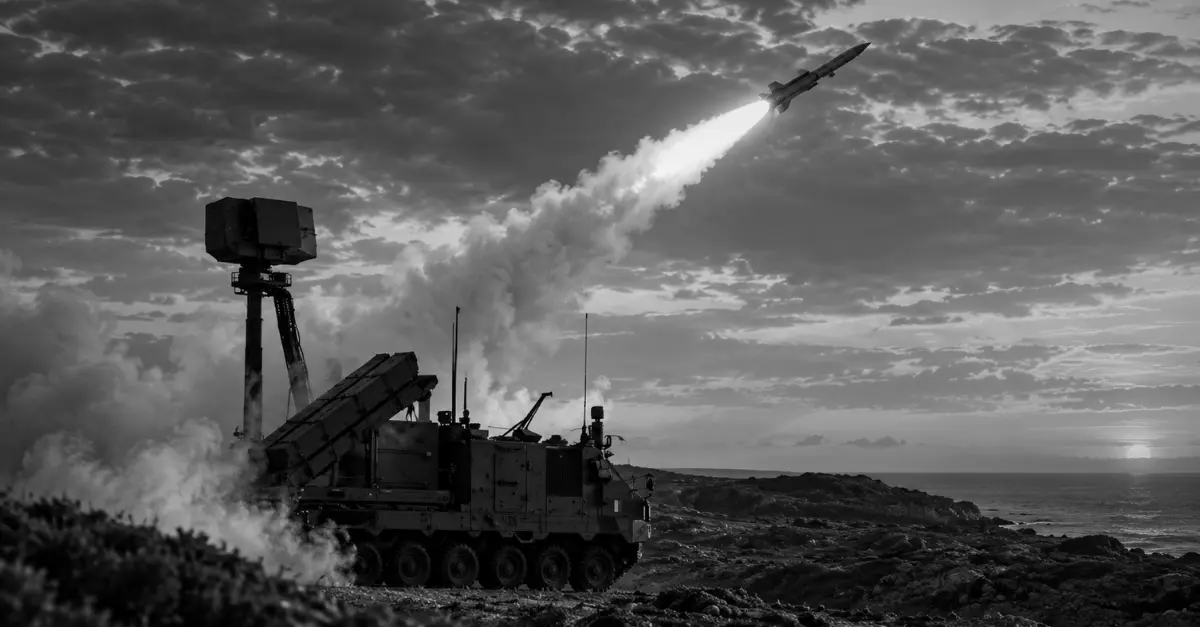
Soviet-origin tactical ballistic missiles (R-17/Scud type) have been reported as refurbished in LNA statements, with a claimed range of around 300 km, but their operational numbers and actual integration remain poorly documented. No confirmed cruise missile or anti-ship capability is attributed to Haftar’s air arm.
| System | Origin | Type | Estimated number / status | Notes |
|---|---|---|---|---|
| Pantsir-S1 | Russia | Short-range air defense (SHORAD) | Presence documented | Supplied via the Emirates; several destroyed in the past; still in service |
| Tor-M1 / Tor-M2 | Russia | Short-range air defense | Observed at parades | Presence reported at recent LNA events |
| R-17 (Scud) | USSR | Tactical ballistic missile (~300 km claimed) | Refurbishment reported | LNA statements on rehabilitation and tests; operational number unconfirmed |
| Grad (BM-21) | USSR | Multiple rocket launcher | Presence documented | Used in earlier operations |
| Smerch (BM-30) | Russia | Heavy multiple rocket launcher | Observed at parades | Presence reported |
| Older air-to-air / air-to-ground missiles | USSR / France | MiG / Mirage armament | Limited inherited stocks | Availability and condition of munitions uncertain |
| Cruise / anti-ship missiles | — | — | Unconfirmed | No reliably documented capability for the LNA |
Exact availability figures are not public. Estimates are based on ranges and documented reports.
An air component serving territorial control
This air arm allows the LNA to support its ground operations, deter adverse movements and monitor oil infrastructure and borders. Modern drones offer a persistence and precision that older manned aircraft cannot match on their own. External backers (the Emirates, Egypt, Russia, and potentially Pakistan) strengthen this capability, even though technical dependence remains real. The Russian presence at several eastern bases is a separate factor, with aircraft and personnel operating under Russian command.
The short-term outlook will depend on possible JF-17 deliveries, the consolidation of drones and maintenance capacity. In Libya’s fragmented context, Haftar’s air arm remains a more significant instrument of projection and territorial control than the dominant image of his ground forces sometimes suggests.
Emirati support well beyond aircraft and drones
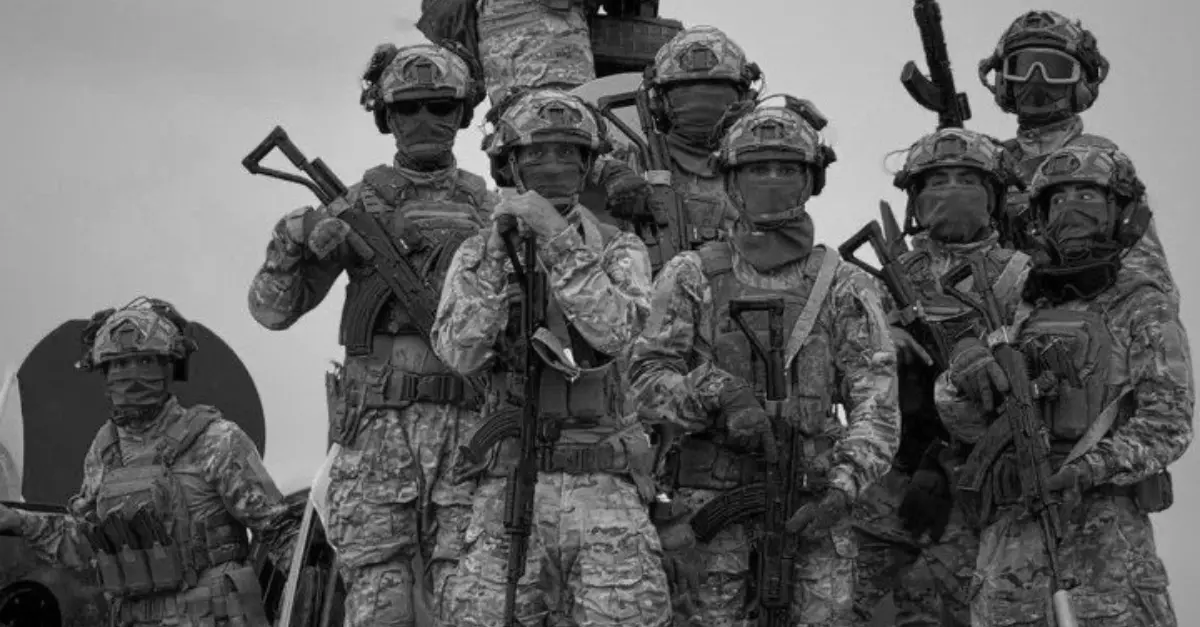
The role of the United Arab Emirates in strengthening Khalifa Haftar’s forces is not limited to deliveries of military equipment. According to analyses by the United Nations Panel of Experts and the Chatham House research center, Abu Dhabi has also contributed to financing, logistics and the development of the Libyan National Army’s operational capabilities.
Al-Khadim air base, in the east of the country, has notably served as a platform for air assets and support operations. Emirati assistance has also covered armored vehicles, Pantsir-S1 air defense systems and sophisticated equipment requiring technical support.
💥 🇩🇿🇱🇾 L’Algérie est-elle prête à s’aventurer pour la première fois hors de ses frontières ?
Une scène au cœur du désert libyen… Avis aux intéressés : la Libye compte des hommes qui connaissent le terrain, et la frontière n’est pas une simple ligne sur une carte.
La frontière, c’est une position et une force. 🇱🇾🔥
#Algérie #Libye #Tebboune #Haftar #Niger— Silicon Valley (@SiliconValleyMa) October 29, 2026
This support has allowed Haftar’s forces to strengthen their mobility, intelligence and ability to coordinate operations across vast territories. However, this historical support, particularly well documented during the 2016-2020 period, must be distinguished from the current situation: the scale of any recent Emirati deliveries has not been established with certainty.
FAQ
What is the main strength of Haftar’s air force in 2026?
Combat drones (probable Feilong-1 and Bayraktar TB2 at Al-Khadim) and Mirotvorets loitering munitions are the most modern capabilities, complementing a fleet of inherited aircraft and helicopters.
Are the JF-17s ordered from Pakistan already in service?
No. The deal reported in December 2025 provided for deliveries over about two and a half years. No receipt had been confirmed by the end of 2026.
Does the LNA have missiles capable of long-range strikes?
Pantsir and Tor systems provide short-range air defense. R-17 tactical ballistic missiles have been reported as refurbished, but no cruise missile capability has been confirmed.
Do the Russian aircraft at the eastern bases belong to Haftar?
No. MiG-29s and other Russian aircraft are operated under Russian control (Africa Corps) and are not integrated into the LNA fleet.