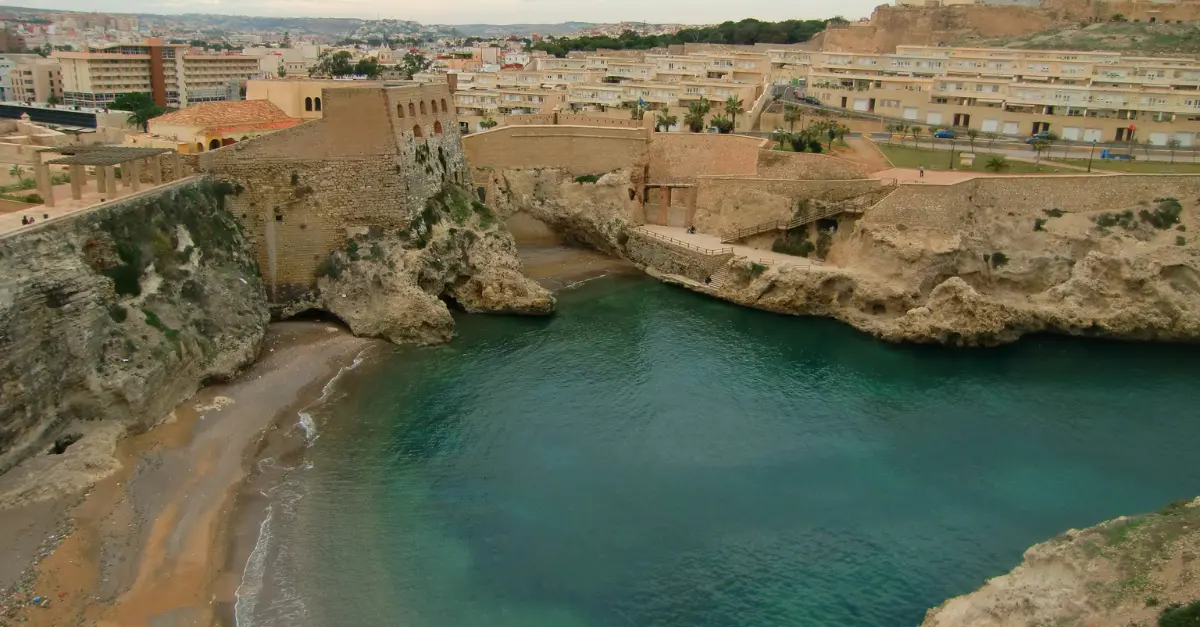
These two autonomous (occupied) cities, located on the North African coast and enclaved within Moroccan territory, account for less than 0.35% of the Spanish population (many of whom are Moroccan). Yet keeping them going mobilizes structural transfers, specific subsidies and, since the summer of 2026, exceptional packages running into the hundreds of millions of euros every year. This is no state secret: the official accounts show it plainly. The question is not whether they “cost” money — every form of sovereignty has a cost — but understanding the nature, scale and limits of this dependence.
A Geostrategic Position That Shapes the Economy
Ceuta and Melilla are the only “land borders” of the European Union on the African continent. This situation gives them strategic value for Madrid and Brussels, while exposing them to recurring migratory, commercial and diplomatic pressure. Morocco has claimed both cities since its independence. Spain has regarded them as an integral part of its territory for centuries.
Economically, the picture is that of isolated enclaves. According to the INE, GDP per capita in 2025 stood at €24,622 in Ceuta and €22,302 in Melilla, compared with a national average of €34,237. The risk of poverty or social exclusion there is well above the Spanish average. Water supply relies almost entirely on desalination plants, which are far more expensive than mainland resources. The specific tax regime (no VAT, replaced by the IPSI, plus corporate tax rebates) reduces the cities’ own revenue while attracting certain activities, notably online gambling.
The result is a structural dependence on state transfers. The 2026 budgets of the two autonomous cities come to roughly €420-425 million each. A large share of these resources comes from the regional financing system and direct subsidies.
Ordinary Flows from the Financing System
The main mechanism is the autonomous financing system. In 2026, Ceuta is due to receive €56 million in advance payments (entregas a cuenta), plus an estimated settlement for the 2024 financial year of about €15 million, for a total of around €70.5 million. Melilla stands at around €44.7 million in advance payments, for a total close to €58 million once settlements are included. On top of this come the resources received as local entities (about €39 million for Ceuta and €40 million for Melilla).
These amounts are part of a general upward trend in the resources of the autonomous communities. They remain modest, however, relative to local budgets, which confirms the need for additional funding.
Each year, the Council of Ministers also approves direct subsidies for “actions of general interest”. In September 2025, and again in 2026, the amount was set at €21.5 million: €8 million for the operation of desalination plants (allocated in proportion to population) and €13.5 million for social programs. These grants are presented as recurring because of the cities’ geostrategic situation and above-average poverty levels.
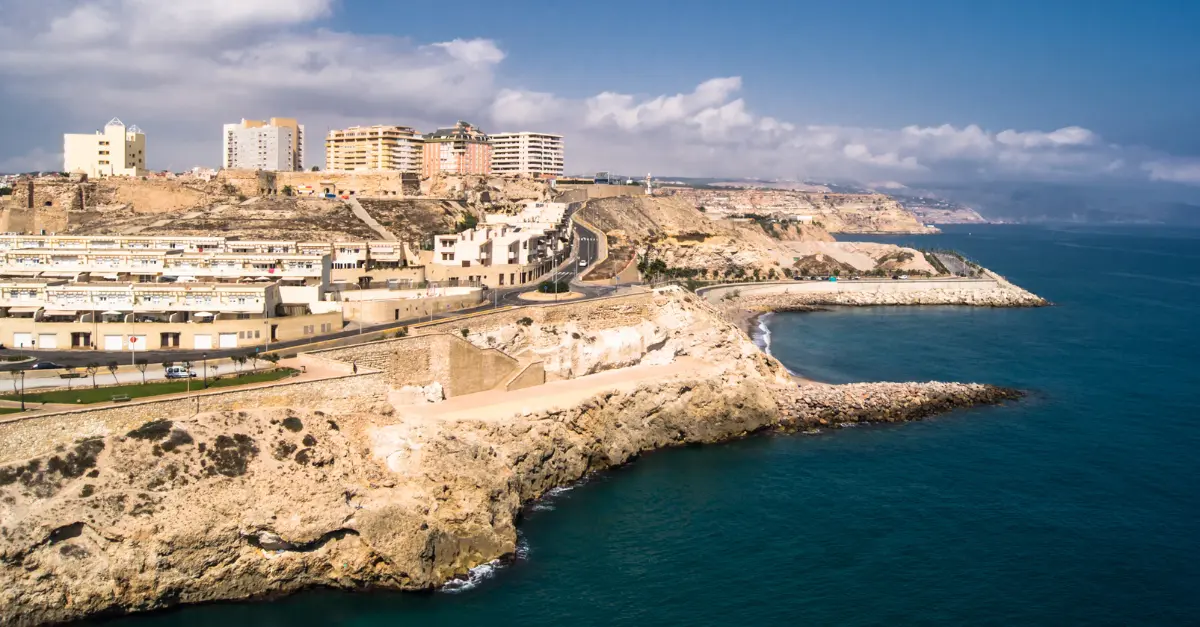
Other structural items exist. The university campuses of Ceuta and Melilla, attached to the University of Granada, generate an estimated annual cost of €21 to €24 million. The state’s contribution remains partial (around €9 to €14 million depending on the year), with the balance covered by the Junta de Andalucía and the university. Socio-economic development plans have also mobilized more than €711 million between 2023 and 2026.
Migration Crises and Security Costs
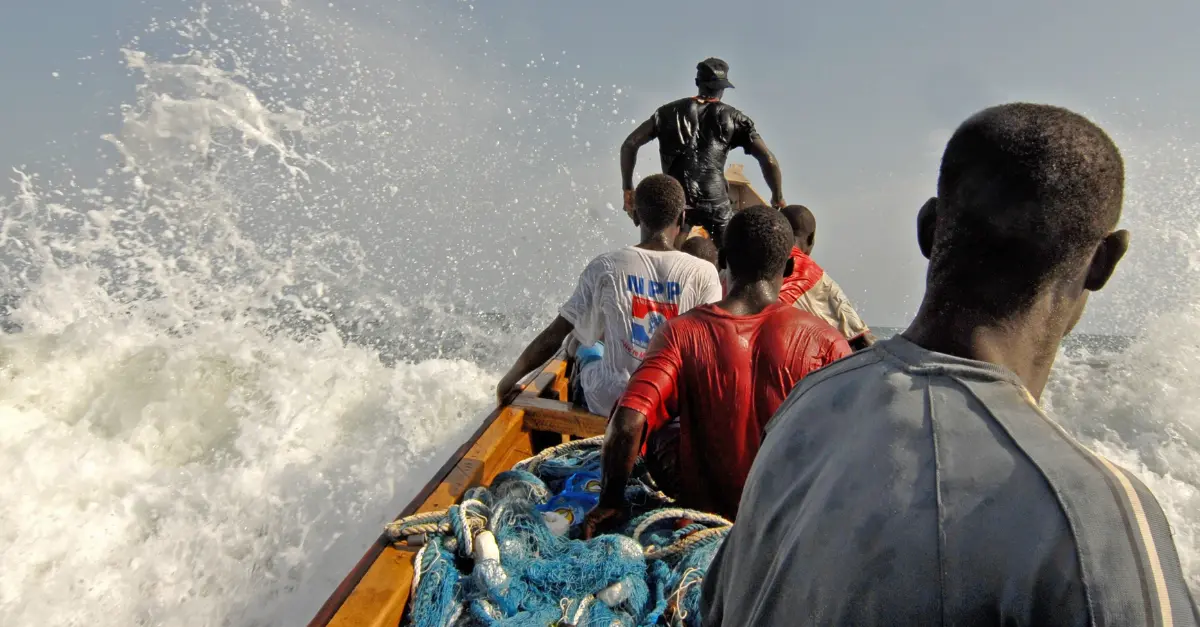
The ordinary figures do not tell the whole story. At the end of July 2026, a mass entry of migrants into Ceuta triggered an exceptional response. The government approved an emergency plan of €309 million for the last four months of 2026, equivalent, according to the authorities, to about 16% of the city’s GDP. The amount breaks down mainly into humanitarian aid (€118 million), security (€90 million, a significant share of it for the Ministry of Defense) and support for businesses and employment (€80 million). Permanent tax and social-contribution measures, extended to Melilla as well, are estimated at €507.5 million through 2031.
The military presence is permanent. At the start of 2026, Ministry of Defense statistics counted around 3,145 military personnel assigned to Ceuta and 3,325 to Melilla. In periods of tension, the combined forces (army, National Police, Guardia Civil) have reached several thousand. These costs fall mainly under the national defense budget; they are not isolated in the cities’ accounts, but they are a real burden on the state.
Recent Key Figures
- 2026 autonomous financing (advance payments + settlements): ~€70.5 million for Ceuta, ~€58 million for Melilla.
- Annual direct subsidies for desalination and social programs: €21.5 million.
- Ceuta migration crisis emergency plan (Sept. 2026): €309 million over four months.
- 2025 GDP per capita: €24,622 (Ceuta), €22,302 (Melilla) versus €34,237 national average.
- Military personnel assigned (early 2026): ~3,145 in Ceuta, ~3,325 in Melilla.
Tourism in Free Fall and Lost Revenue
The cost of the crisis is not measured only in public spending; it also shows in collapsing revenue. According to the Ceuta Chamber of Commerce, direct economic losses exceeded €33 million as of August 30, with an average drop in turnover of 53% for retail and 50.7% for hospitality and catering.
Ordinary tourist demand reportedly fell by around 90%, and travel agencies recorded a cumulative decline of 37.5%. Hotel occupancy dropped by only about 50%, but this figure is cushioned by the presence of security forces and professionals housed in hotel rooms. By comparison, it stood at around 92% in August 2025. The Chamber also puts the reputational damage at €170 million, a potential cost rather than an immediate accounting loss.

Colonial Spain…
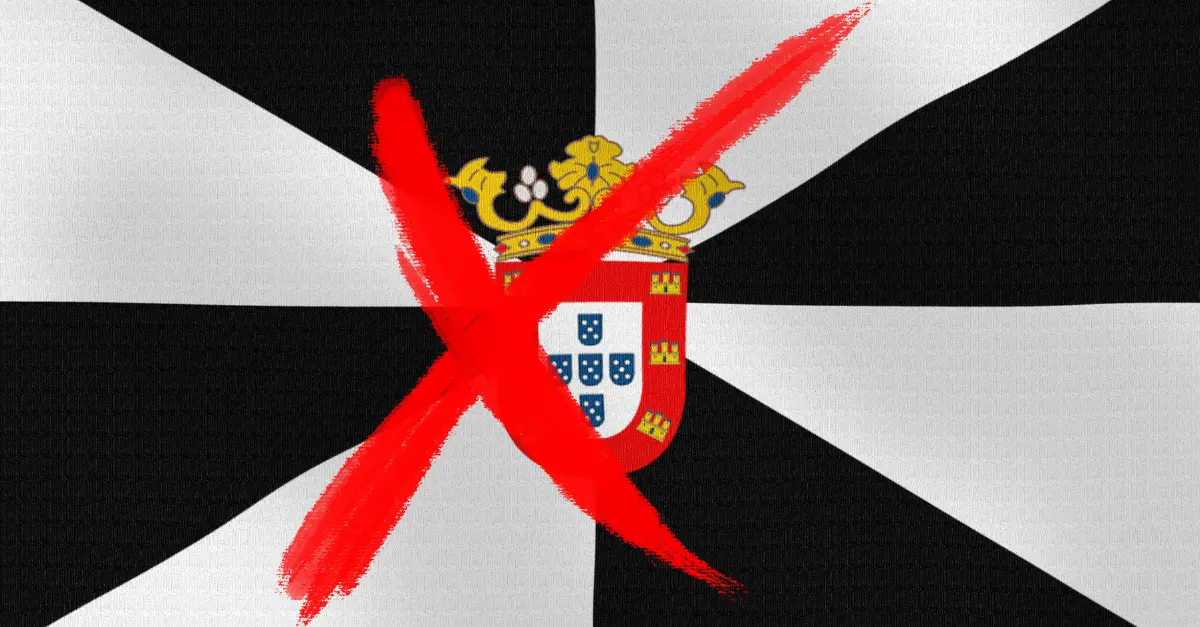
There remains a cost that no budget line captures: image. In the eyes of the world, the Spanish presence in Ceuta and Melilla is a colonial relic that contradicts European rhetoric on rights and anti-colonialism.
The president of the Moroccan House of Councillors, Enaam Mayara, stated that the two cities had been colonized and that negotiations should be opened to recover them. The visit of the Spanish royal couple once again highlighted the colonial character of the Spanish presence, with reports on the conduct of the security forces attached to it.
For their part, many NGOs around the world, including Moroccan ones, denounce a contradiction between European rhetoric and the preservation of remnants of colonialism.
In this reading, each border crisis, like the one in July with its 88 deaths reported by the city, feeds a narrative that weighs on Spain’s international reputation, damage that is more lasting than the €33 million in direct losses. On the tourism side, the Ceuta Chamber of Commerce already speaks of €170 million in reputational damage, a potential cost rather than an accounting loss.
Strategic Stakes and Debates
For the Spanish government, this spending is a matter of territorial sovereignty and cohesion. Ceuta and Melilla form Europe’s southern frontier; abandoning them is not a realistic political option in Madrid. The authorities also point out that other peripheral territories (the Canary Islands, Extremadura) receive net transfers under national redistribution. The strategic value — control of the Strait, military presence, European projection — is emphasized.
On the Moroccan side, the official position continues to regard the two cities as occupied territories. The economic argument of a “burden” on Spain is sometimes used in media debates, even though it is not central to bilateral negotiations.
In Spain, the debate is more nuanced. Some observers and local officials point to excessive dependence, the weak dynamism of the private sector outside tax niches, and the weight of migration crises on public finances. Others, including in the opposition, insist on the need to strengthen the security presence and to negotiate better European anchoring (outermost region status, customs integration). Vox in particular has called for a more stable and reinforced military presence.
Moroccan port competition (Tanger Med, Nador West Med) adds an economic dimension. The development of these infrastructures reduces the relative advantage of Spanish ports in the region and deepens the commercial isolation of the enclaves.
And Finally…
The available data do not allow a single, official “net deficit” to be calculated for Ceuta and Melilla, comparable to interregional fiscal balances. However, the ordinary flows of the financing system, the recurring subsidies and the exceptional packages put the state’s net contribution in a range of several hundred million euros per year on average, with markedly higher peaks in times of crisis. This cost is real. It is also the price of a territorial presence that neither successive governments nor the main political forces have ever considered calling into question.
The question that remains open is one of efficiency: what will Spain do when Europe stops supporting it continuously?
The countdown has begun… Tick-tock, tick-tock!
FAQ
How much does Spain spend each year on Ceuta and Melilla?
Ordinary transfers (financing system + specific subsidies) amount to around €150 to €200 million combined in a normal year, excluding national military costs and crises. The exceptional packages of 2026 exceeded €300 million for Ceuta alone.
Do these cities bring anything in for Spain?
They generate their own tax revenue (IPSI, direct taxes) and host economic activity, but their GDP per capita remains well below the average. The net contribution is negative within the redistribution system.
Why does the cost rise during a migration crisis?
Because the state funds humanitarian reception, security reinforcement (army, police), the restoration of public services and aid to local businesses. The 2026 plan of €309 million is the most recent illustration.
Could Morocco absorb these cities at no cost to Spain?
From a purely accounting standpoint, yes. From a political, historical and strategic standpoint, no Spanish government has considered this option viable. Sovereignty is not decided on financial balance sheets alone.