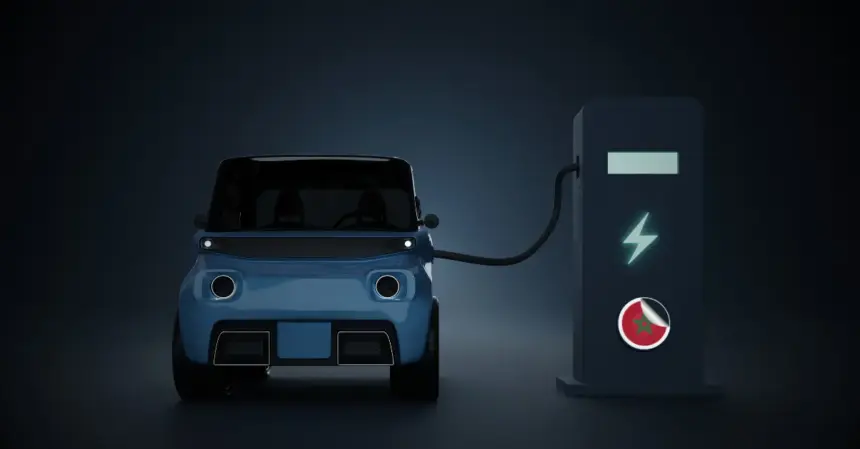
According to an analysis published Monday by The Conversation, the American information and analysis platform, the Kingdom is ideally placed to become a major global hub for electric vehicle production. This reading deserves a closer look, because it touches on one of the great industrial shifts of the decade.
Why this analysis deserves attention
The transition to electric mobility is not just a change of powertrain. It is redrawing the geography of production: access to minerals, proximity to markets, energy costs, trade agreements. In this new game, countries able to combine these factors gain a lasting advantage.
The Conversation argues that Morocco’s emergence in this sector “is no accident.” It sees it as the result of geographic and geopolitical advantages combined with distinctive natural resources. I find the argument sound in principle, even if it calls for a few caveats, which I set out below.
Tanger Med, the logistics gateway
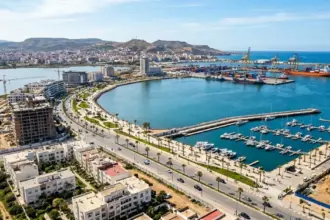
The first asset cited is infrastructure. The analysis highlights Tanger Med, described as the largest port in Africa and the Mediterranean basin. Its strength lies less in its size than in its integration: it is directly connected to large public industrial zones designed to serve carmakers and their suppliers.
For a manufacturer, this proximity changes a great deal. Parts arrive, vehicles leave for Europe within a few hours by sea, and logistics costs fall. In a sector where competitiveness is often decided by a few points of margin, this is no minor detail.
Preferential access to European and American markets
The second argument is trade diplomacy. Morocco has concluded free trade agreements with the European Union and, unusually, it is according to the article the only North African country to have such an agreement with the United States. These texts give it preferential access to two of the world’s largest automotive markets.
I see this as a real strategic advantage, but also as a dependency. A manufacturer that sets up in Morocco is betting on the stability of these agreements. Yet international trade rules change quickly, and U.S. incentives tied to the origin of batteries or components can shift the picture from one year to the next. This is something to watch.
Phosphate and cobalt, the resource map
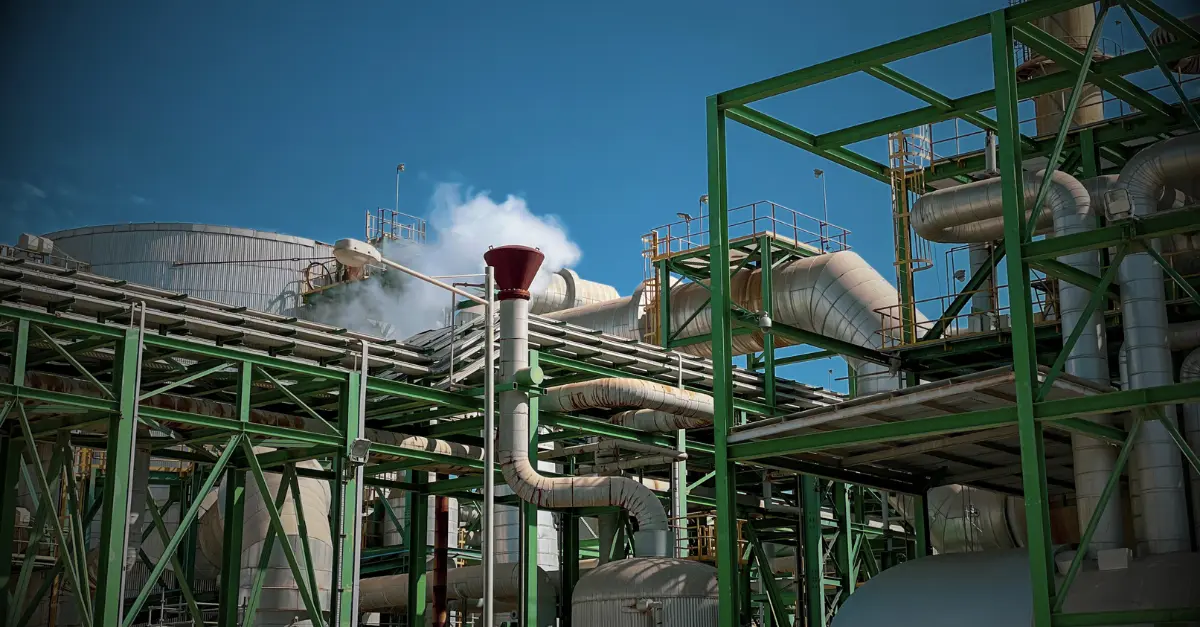
The third asset, and probably the most discussed, is the subsoil. According to the article, Morocco holds about 70% of the world’s phosphate reserves, a key resource for manufacturing lithium iron phosphate (LFP) batteries. It also reportedly has significant cobalt reserves, another mineral used in batteries.
A few explanations are in order for the non-specialist reader. LFP batteries, which do without nickel and cobalt, are gaining market share thanks to their lower cost and durability. They already power a growing number of models, particularly entry-level and mid-range ones. Owning the raw material means being able, in theory, to integrate part of the value chain upstream.
I remain cautious, however: holding reserves is not enough. Between raw phosphate and a battery cell, there are several processing stages, requiring technologies, capital and skills that must still be built. The geological advantage is a promise, not yet an achievement.
Automotive, the leading export sector
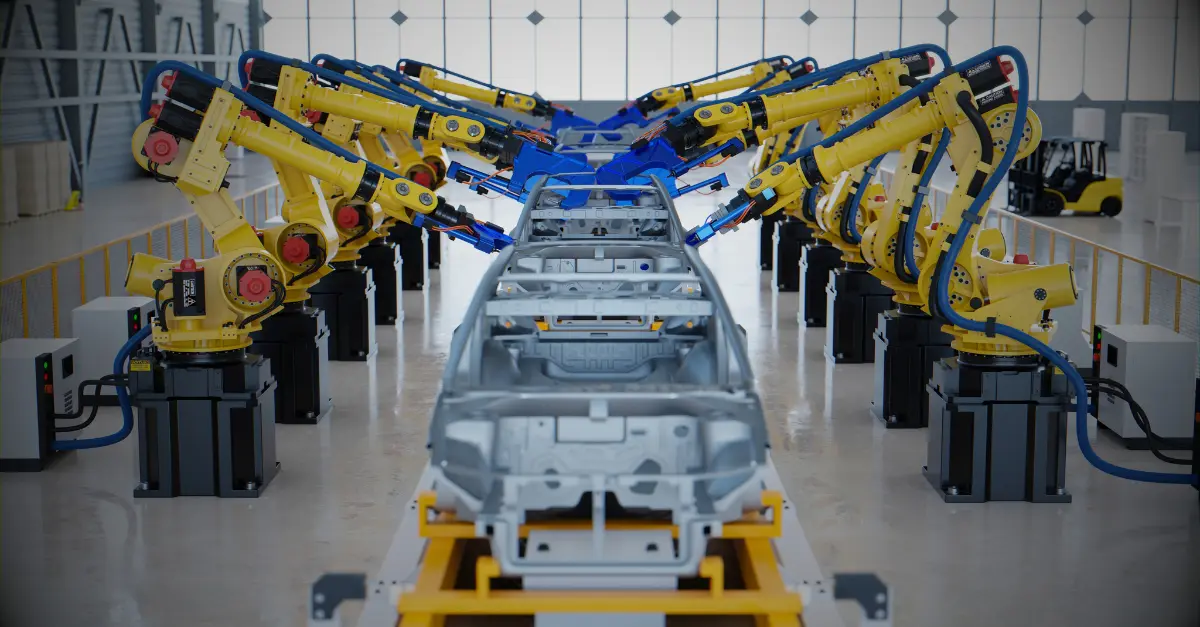
The fourth element, and the most concrete, is industrial experience. The analysis recalls that the automotive industry has become the country’s leading export sector. It also indicates that Morocco has overtaken China among the European Union’s main trading partners in this field.
The figures cited show the scale of this rise:
- $17 billion in vehicles and auto parts exported in 2024;
- the country’s number one export sector;
- a ranking ahead of China among EU partners in the automotive sector, according to the article;
- Tanger Med, the largest port in Africa and the Mediterranean, as a logistics gateway.
These data are attributed to The Conversation and should be cross-checked against official Moroccan and European statistics before being reused.
Twenty years of industrial strategy
The fifth point is consistency. The analysis concludes that Morocco’s transformation reflects a long-term strategic vision, pursued over two decades around free zones, notably the Tanger Automotive City industrial acceleration zone.
To my mind, this is the most convincing key to understanding. Major industrial hubs are not born of a windfall but of a policy sustained over time: infrastructure, training, taxation, economic diplomacy. Morocco invested early and without interruption, which gives it a credibility that few emerging countries can claim today.
The carbon tax, a bet on European compliance
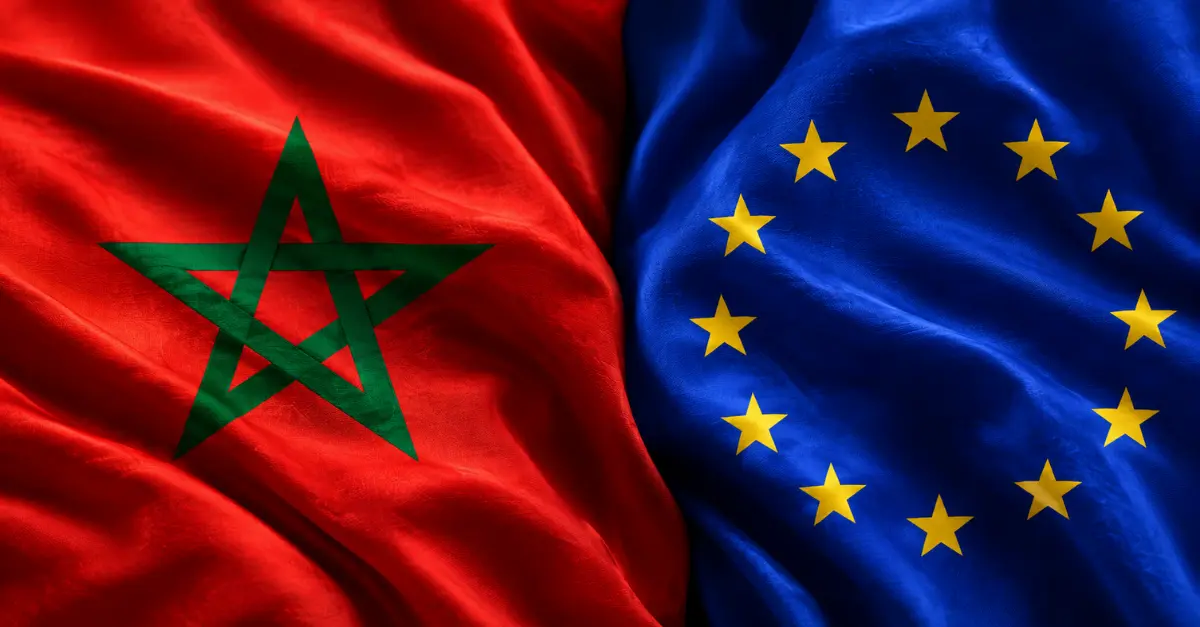
The last element noted by the report: Morocco has recently introduced a carbon tax in order to align its exports with the European Union’s strict environmental standards. The stakes are direct. With the European Carbon Border Adjustment Mechanism, products from highly emitting processes risk being penalized when entering the European market.
By anticipating, Rabat seeks to preserve the competitiveness of its exporters and to reassure investors. It remains to be seen how this tax will be applied, and what its real impact on manufacturers’ costs will be. At this stage, I have no precise data on its level or timetable: this is information to verify with official sources.
The caveats and challenges not to be ignored
An honest article does not stop at the strengths. Several challenges are emerging. First, moving up the value chain: going from assembly to producing batteries and high-value-added components takes time. Second, competition: other countries, from Eastern Europe to Southeast Asia, are courting the same investors. Finally, energy and water: heavy industry depends on a reliable and, ideally, low-carbon supply, which raises questions in a country exposed to water stress.
It should also be remembered that The Conversation offers an analysis, not an official ranking. The potential described is real, but its realization will depend on carmakers’ investment decisions and on the country’s ability to build a complete industry.
What I take away for the future
My view is that Morocco has, more than many of its competitors, a coherent set of assets: geographic position, trade agreements, mineral resources, accumulated know-how and political continuity. The question is no longer whether it matters in the global automotive industry, but whether it can capture the most strategic part of the electric value chain, that of batteries and their materials.
The answer will depend on what the coming years reveal about announced investments, the evolution of transatlantic trade rules and how quickly the country can train the skilled workforce it needs. The bet is open, and it deserves close attention.
FAQ
Why is Morocco cited as a future electric vehicle hub?
According to The Conversation, it combines a large industrial port, free trade agreements with the EU and the United States, significant mineral resources and solid automotive experience.
What role does phosphate play in batteries?
Phosphate is a raw material for lithium iron phosphate (LFP) batteries. Morocco reportedly holds about 70% of the world’s reserves, according to the article.
How much does Morocco export in the automotive sector?
The article cites $17 billion in vehicles and parts exported in 2024, making automotive the country’s leading export sector.
Why did Morocco introduce a carbon tax?
To align its exports with the European Union’s environmental standards and limit the impact of the European Carbon Border Adjustment Mechanism.