Israeli vertical launchers now stand alongside long-range Chinese systems. This is no longer just a question of modernization: it is the pragmatic response of a country facing aerial threats that are more varied, faster and harder to anticipate.
For several years, Morocco has been building a multilayered network. The goal is to detect, track and intercept aircraft, drones, cruise missiles and, to a lesser extent, tactical ballistic missiles. This evolution matters for several reasons. First, the long-standing rivalry with Algeria remains a structuring factor: Algiers has long-range Russian systems (S-300PMU2 confirmed, S-400 showcased in an exercise in 2025) and a combat air force. Second, the conflict in the Moroccan Sahara, even at low intensity, comes with a growing use of drones and projectiles. Finally, instability in the Sahel and the proliferation of loitering munitions mean that air defense must be conceived beyond the eastern borders alone.
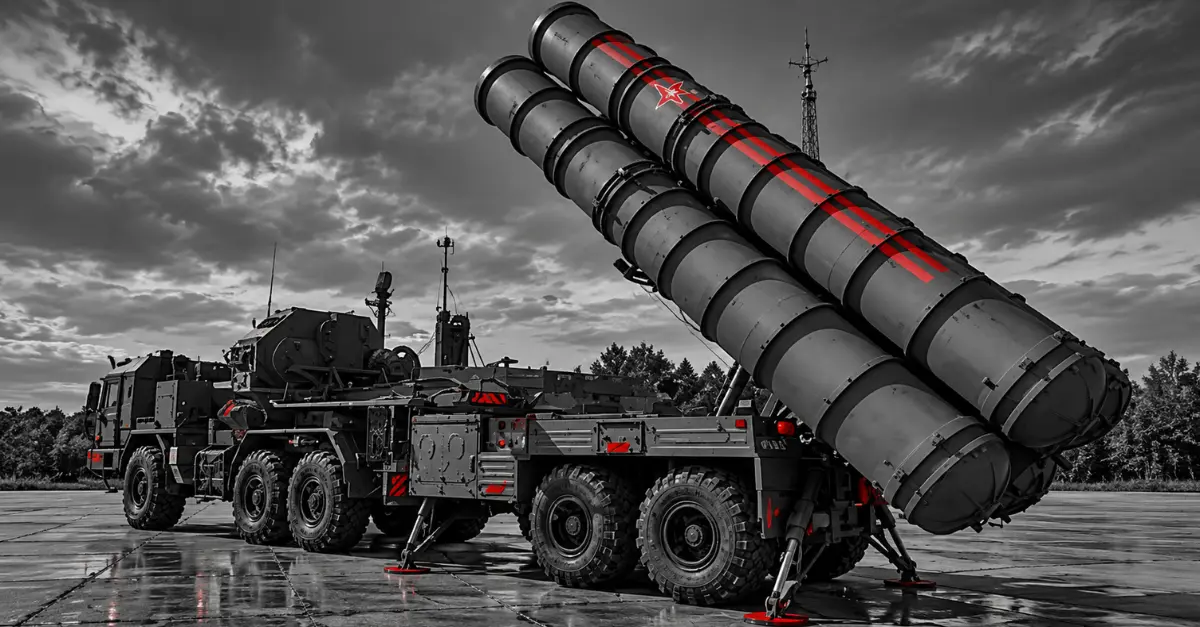
According to data from the Stockholm International Peace Research Institute (SIPRI) for the 2020-2024 period, the United States supplied 64% of Morocco’s major arms imports, France 15% and Israel 11%. More recent data indicates that Israel’s share has increased. This diversification is no accident: Rabat studied and then ruled out the Russian S-400, notably for reasons of maintenance and technical dependence, according to Moroccan military experts.
An Architecture Already in Place and Being Activated
The Chinese foundations remain visible. The Sky Dragon 50 (medium range) was acquired around 2017. The FD-2000B, the export version of the HQ-9, followed: batteries were delivered and deployed from 2021-2022 at the Sidi Yahya el-Gharb base, about sixty kilometers northeast of Rabat. Its stated range is close to 200 km according to specialized sources. The French VL MICA system (MBDA), ordered for around 192 million euros, has been delivered since 2022 to fill the short-to-medium-range layer.
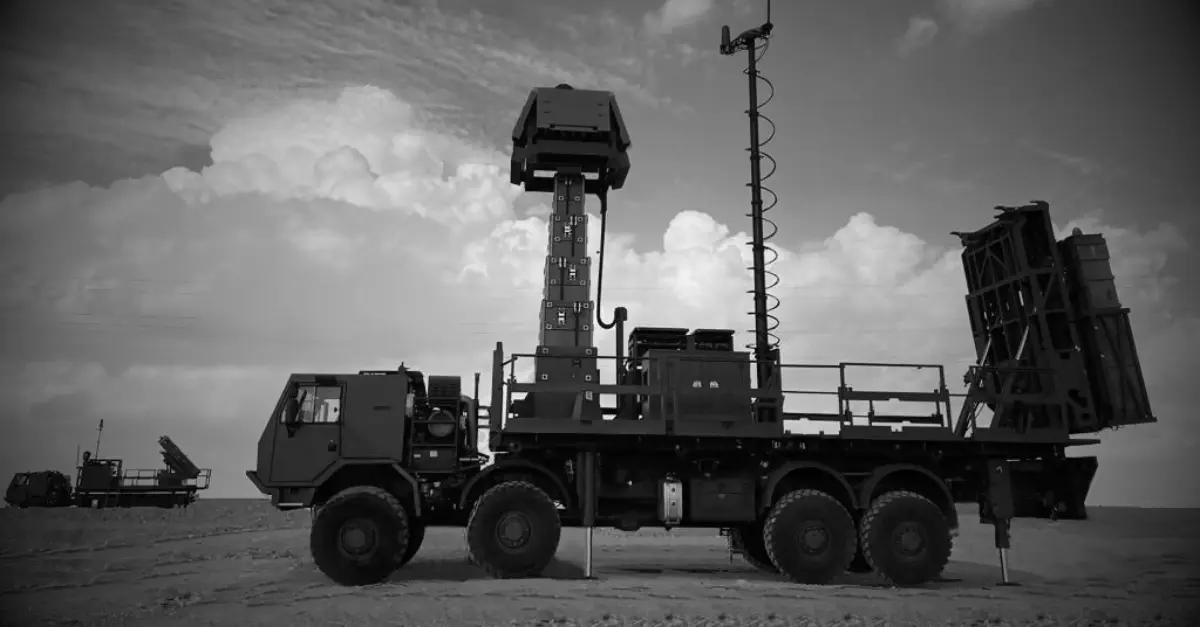
The Israeli contribution is more recent and more visible. A contract worth around $500 million signed in 2022 with Israel Aerospace Industries covers the Barak MX. Reports from Military Africa, Globes and other specialized outlets, relying on satellite imagery and electronic signatures, indicate that elements of the system were deployed at Sidi Yahya el-Gharb in late 2025 and early 2026, and possibly in the south. The Barak MX is modular: it can employ interceptors of different ranges (roughly 35, 70 and up to 150 km depending on the MRAD, LRAD and ER versions) against aircraft, drones, cruise missiles and tactical ballistic threats. Rafael’s Spyder has also been reported at the same site.
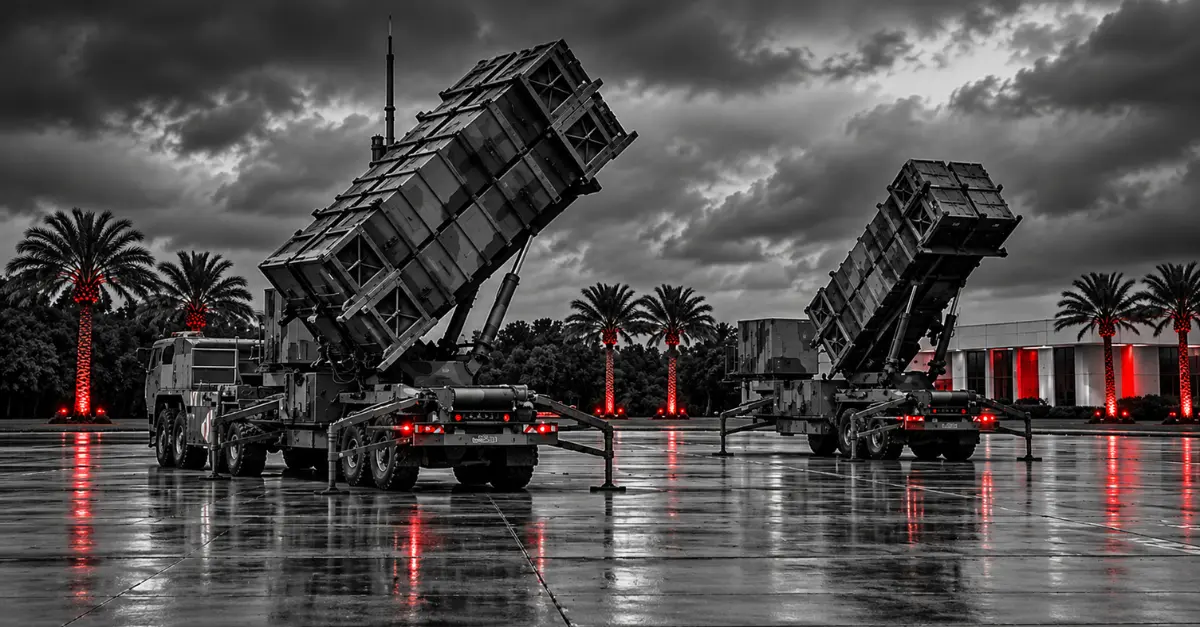
The American Patriot remains part of the discussions. Technical trials or inspections were reported in 2025 (including a visit by a Moroccan delegation to Germany), and Morocco is among the potential customers for the PAC-3 MSE. However, no delivery has been conclusively confirmed; some claims about convoys have been denied by American sources. The interest is real; the follow-through is not yet.
What Morocco Could Favor in the Coming Years
The current logic favors three criteria: complementarity with existing layers, speed of delivery and integration, and the possibility of industrial cooperation. Israel appears well placed. Advanced negotiations have been reported since October 2026 around David’s Sling (Rafael and Raytheon), designed to intercept ballistic and cruise missiles at ranges of roughly 40 to 300 km, with the Stunner interceptor in hit-to-kill mode. No contract, price or timeline has been made public. If the deal were to go through, it would thicken the medium-to-long-range layer and rely on radars that are already familiar (the ELM-2084 family).
The Patriot PAC-3 MSE remains a credible American option for defense against ballistic threats, notably because of its interoperability with other Western equipment and its operational track record. Its cost and production lead times are nonetheless obstacles. On the Indian side, the Akash-NG has been mentioned occasionally. China remains a supplier of systems already in service, but integrating a new major long-range system appears to be a lower priority given the ongoing diversification.
Key Figures and Elements of the Current Setup
- 2026 defense budget: around 73 billion dirhams (about 4% of GDP according to the minister delegate’s statements).
- Multi-year commitment ceiling for 2027: 190.5 billion dirhams (a 21% increase over 2026), covering acquisitions, maintenance and the defense industry.
- Barak MX: contract of around $500 million (2022), deployment reported in late 2025 and early 2026.
- FD-2000B: stated range of around 200 km, Sidi Yahya el-Gharb base.
- VL MICA: around 192 million euros, deliveries since 2022.
- SIPRI 2020-2024 suppliers: United States 64%, France 15%, Israel 11%.
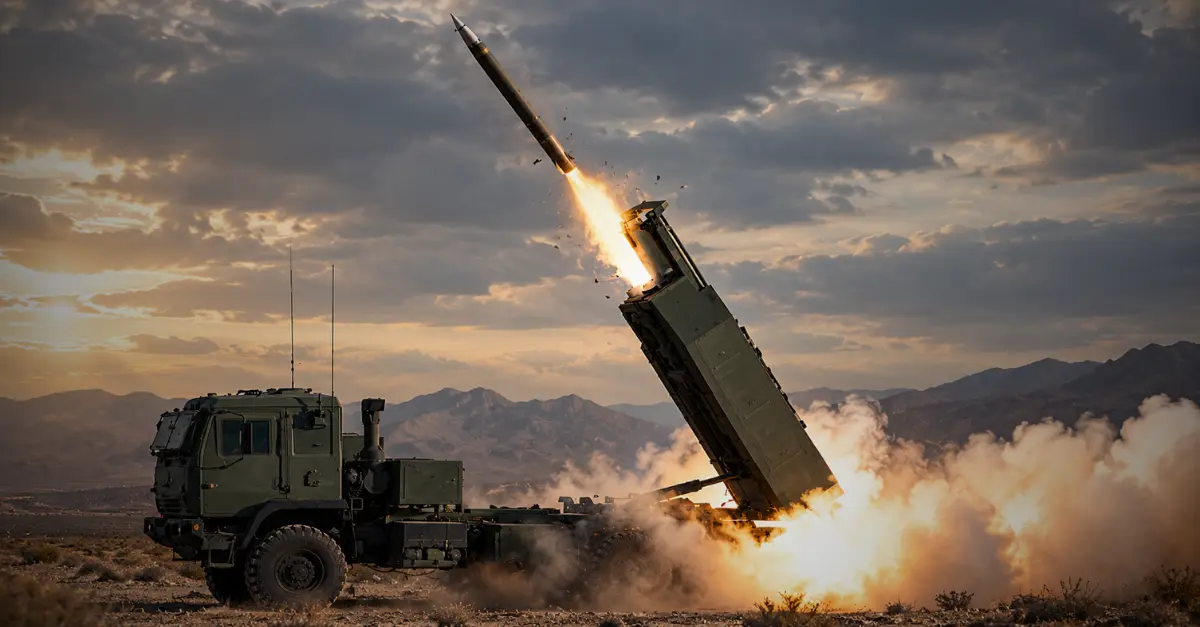
These choices are not made in a vacuum. Drones (Turkish, Israeli, and a nascent local production) and precision strike systems (PULS, HIMARS on order) also change doctrine: air defense protects offensive capabilities which, in turn, strengthen deterrence.
Strategic and Economic Stakes
Geopolitically, a denser air defense narrows the room for maneuver of an adversary seeking to saturate defenses or strike high-value targets (air bases, command centers, energy infrastructure). Against Algeria, the issue is less quantitative parity than the credibility of deterrence: making any escalation more costly. In the Sahara, the system mainly has to handle asymmetric threats and drones, rather than massive air raids. Relations with Israel, formalized after the Abraham Accords, bring battle-proven systems (the Barak MX was reportedly used against Iranian threats in 2025), but they also carry regional sensitivities.
Economically, the cost of modern interceptors is high. A Stunner is estimated at around one million dollars apiece according to specialized sources; Patriot missiles are not cheap either. Maintenance, radars, command centers and training add to the bill. Hence Morocco’s interest in technology transfers and industrial footprints (drones, potentially other subsystems). The high multi-year commitment ceiling for 2027 shows that Rabat anticipates long-term contracts. The question of budget sustainability nonetheless arises: personnel expenses already account for most of the annual operating budget.

Other viewpoints exist. Some analysts point out that multiplying suppliers complicates integration and logistics. Others believe the real challenge is not acquisition but the radar network, command and control, and the ability to handle a saturation of cheap drones. Algeria, for its part, relies more on the depth of its long-range Russian systems and on the volume of its air force.
Conclusion
Morocco already has a functional multilayered base. The technologies it may favor in the coming years are those that close specific gaps (ballistic missile defense and counter-drone-swarm capability) while remaining integrable and deliverable within reasonable timeframes. David’s Sling, if it materializes, and a possible tranche of Patriots would meet that need. Continued Israeli, American and Turkish industrial cooperation offers a way to limit pure import dependence.
FAQ
Does Morocco already have a system equivalent to the Patriot?
No. It has long-range Chinese systems (FD-2000B) and Israeli ones (Barak MX), but no Patriot delivery has been confirmed to date. Discussions and technical inspections have been reported.
Is the Barak MX deployment official?
Moroccan authorities have not made a detailed statement. Satellite imagery and specialized reports (late 2025 to early 2026) indicate an operational deployment at Sidi Yahya el-Gharb and potentially elsewhere.
Why didn’t Morocco choose the Russian S-400?
According to expert analyses, technical reasons (maintenance, the presence of Russian experts), financial and strategic ones (diversification) led to ruling out this option in favor of Chinese and then Israeli systems.
Has David’s Sling already been ordered?
No. Advanced negotiations have been reported by specialized sources since October 2026, but no contract, amount or timeline has been made public.