The city of the trade winds, listed as a UNESCO World Heritage site for its medina, has become the showcase for a product that is in fact grown well beyond its ramparts. Why this association, and what does the claim that Essaouira argan oil is the best in the world really amount to? I propose to take it seriously, with its solid arguments and its limits.
Key takeaways
- The argan tree is endemic to southwestern Morocco.
- Essaouira lies at the heart of the argan production area.
- The protected geographical indication covers the entire argan forest, not just Essaouira.
- “Best in the world” is a judgment, not an official ranking.
- Quality depends on the fruit, cold pressing, freshness and traceability.
A tree that barely exists anywhere else
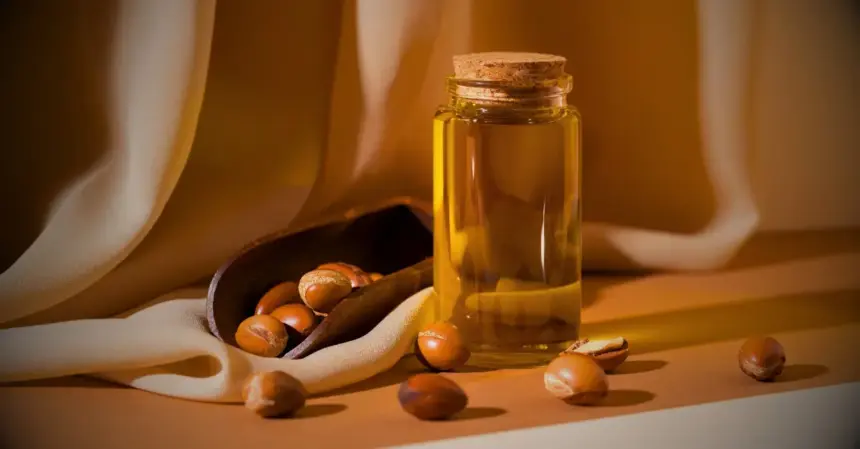
The argan tree (Argania spinosa) is a species endemic to southwestern Morocco. It grows in arid and semi-arid areas, between the Atlantic and the foothills of the Atlas, and withstands droughts that would kill many other trees. This geographical rarity is the first argument in favour of Moroccan argan oil: no other country can produce it on a large scale with the same plant material.
International recognition of this ecosystem is long-standing. UNESCO designated the Arganeraie a biosphere reserve in the late 1990s, and the know-how linked to the argan tree was inscribed in 2014 on the list of the intangible cultural heritage of humanity. Both decisions underline that argan is at once a fragile natural environment and a human heritage, which weighs on how its quality is perceived.
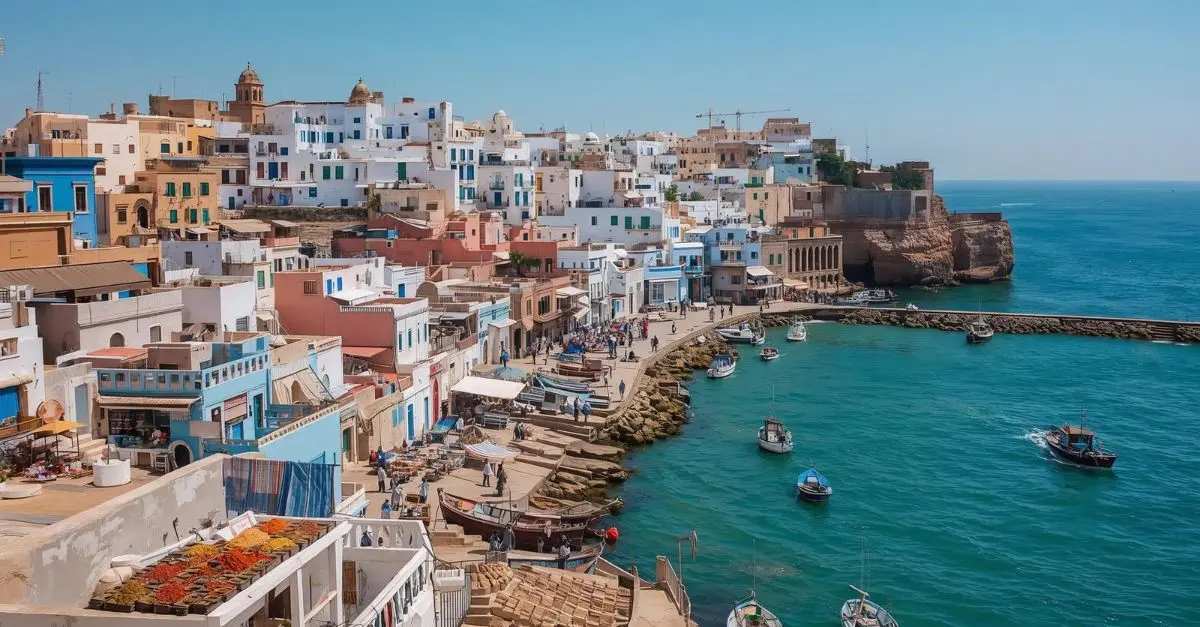
Essaouira, at the heart of the argan forest
The province of Essaouira lies in the historic heart of the argan tree’s range, in the Haha region and its surroundings. The landscapes of the coast and the hinterland, where the tree stands alongside goats, Amazigh villages and cooperatives, are part of the product’s imagery.
One must, however, be precise, and this is a point I want to make honestly. In Morocco, argan oil benefits from a protected geographical indication, recognised nationally and then by the European Union in the 2010s. This protection covers the argan forest production area as a whole, not a single city. “Essaouira argan oil” is therefore first and foremost a reputation, a commercial and tourist anchor, not a distinct appellation that would in itself guarantee a quality superior to that of Agadir, Taroudant or Tiznit.
What makes a good argan oil
Beyond geography, quality comes down to objective factors that any buyer can check. Here are the criteria professionals most often put forward:
- The fruit: nuts from trees within the original growing area, harvested ripe, without chemical treatment.
- The extraction: a first cold pressing, without solvents, to preserve heat-sensitive compounds.
- The distinction of use: an unroasted oil for cosmetics, a lightly roasted oil for the table, with a characteristic hazelnut aroma.
- Freshness and storage: a recent oil, kept away from light and heat, in an opaque bottle.
- Traceability: a clear indication of origin, batch and, ideally, a controlled label or certification.
From a nutritional and cosmetic standpoint, argan oil is rich in unsaturated fatty acids, mainly oleic and linoleic acid, as well as tocopherols (vitamin E). These characteristics are documented in the scientific literature, but they apply to argan oil in general, not specifically to that of one city. I therefore take care not to make chemistry say what it does not demonstrate.
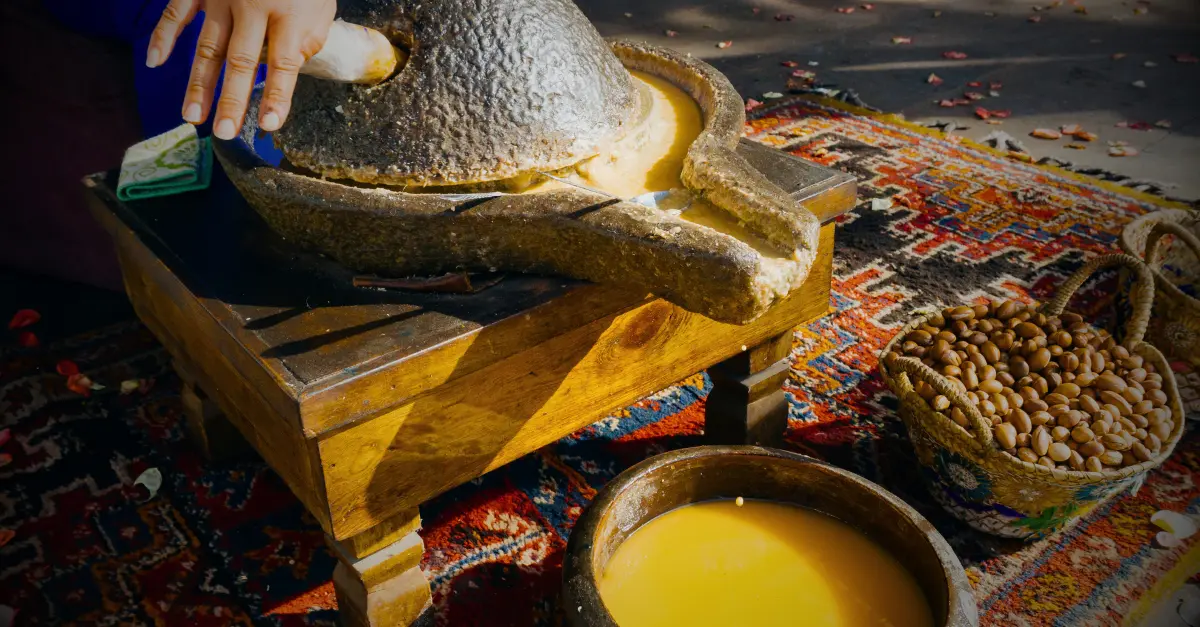
The know-how of the women’s cooperatives
This is where the Essaouira argument becomes most convincing. In the region, many cooperatives, often run by Amazigh women, handle the collection, shelling and crushing of the nuts, followed by pressing. The work is largely manual: the kernels are extracted one by one, which explains both the product’s high price and the consistent quality of the best productions.
These cooperatives have also played a social role. They have provided an income for rural women, structured local supply chains and raised awareness of the need to protect the tree, since a producing argan tree is worth more standing than felled. Development organisations and public programmes have supported this movement for more than twenty years. The record is mixed: added value does not always flow fairly back to the women producers, and the multiplication of intermediaries, like that of counterfeits, sometimes blurs the picture.
What “best in the world” really means
I must be clear on this point: there is no independent comparative study, and no authoritative world competition, that would establish that Essaouira argan oil surpasses all others. Saying it is “the best in the world” is therefore a judgment, not a measured fact.
What can be defended, however, is a body of arguments. Essaouira lies at the heart of the original range of the one tree on which the product depends. The city concentrates a long craft tradition and a high density of cooperatives. It is, finally, a place where one can observe and verify the production chain, which builds consumer trust. These strengths make Essaouira argan oil a benchmark. Whether it is the best depends on the criterion chosen: purity, taste, traceability, social impact, price.
The opposing view deserves a hearing. Producers in other provinces, notably in the Souss, point out that their oil meets the same requirements of origin and process, and that the fame of a tourist city cannot replace the quality of a specific batch. I find this remark fair: the best bottle is the one whose origin you know, not the one that carries the most famous name.
Economic and environmental stakes
Argan has become an important export product for Morocco, present in cosmetics, food and gastronomy internationally. This success comes with tensions. Global demand encourages fraud, with blended or mislabelled oils, and puts pressure on the resource.
The argan forest itself is an environmental issue. UNESCO and the Moroccan authorities have pointed to the historic decline in forest area, caused by overgrazing, wood cutting, intensive agriculture and climate change. Preserving the tree means reconciling livestock farming, cooperative activity and protection of the tree cover. A label that promotes quality can help, provided it is properly controlled and the income genuinely returns to the communities that look after the land.
A local product serving tourism
For Essaouira, argan is also an image asset. Visiting a cooperative, watching the nuts being crushed, tasting the oil with bread and amlou, the paste of almonds, argan oil and honey, is now part of the experience of many travellers. This food-and-craft tourism creates direct outlets for women producers and gives the destination an identity that goes beyond the beach and the medina.
The risk is well known: the staging can turn into caricature, with shops reselling products of unclear origin under a cooperative banner. The informed visitor does well to ask where and when the oil was pressed, and to favour identifiable and certified structures.
A reputation to maintain rather than a title to award
Is Essaouira argan oil the best in the world? I would rather say it has every reason to be one of the most credible, provided the city’s reputation remains backed by verifiable practices. The real question may be this: how can a place’s fame protect the quality and the income of those who produce, rather than dilute them? The answer will depend on the rigour of controls, the transparency of supply chains and the ability of the argan forest to withstand the climate.
FAQ
Does Essaouira argan oil have its own appellation?
No. The protected geographical indication covers the argan forest area as a whole. The name Essaouira is a matter of reputation, not a distinct appellation.
What is the difference between cosmetic and culinary argan oil?
The first is pressed from unroasted kernels and used for skin and hair care. The second comes from lightly roasted kernels, which gives it its hazelnut taste.
How can you recognise an authentic argan oil?
I check the stated origin, the mention of first cold pressing, the production date and the opaque bottle. An abnormally low price is a warning sign, as is a lack of traceability.
Is visiting a cooperative useful when buying oil?
Yes, it lets you see the production and ask questions about the batch. It is best to choose an identifiable structure, preferably a certified one.