

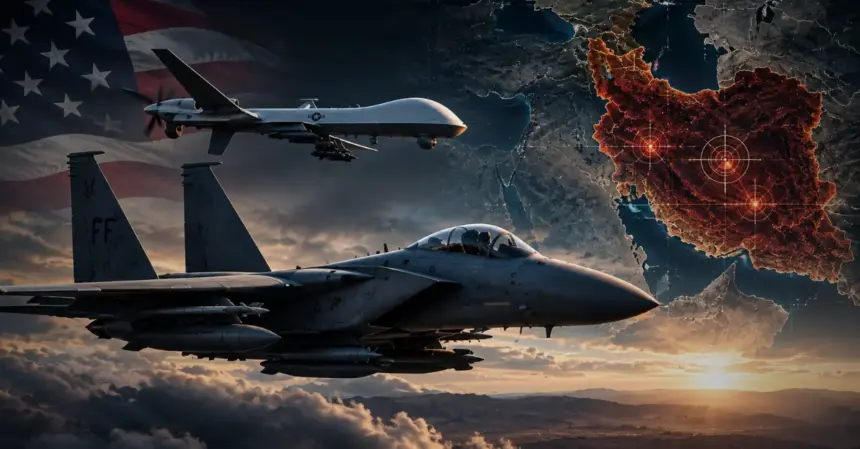
Since February 28, 2026, when US operations against Iran began, 81 US aircraft, helicopters and drones have been lost or damaged.
- 81 US aircraft have been lost or damaged since February 28, 2026, according to the CRS.
- Not all were destroyed: some damaged aircraft have returned to service.
- Drones account for the largest share: at least 45 MQ-9 Reapers, according to US officials.
- Six crew members died in the crash of a KC-135 in Iraq on March 12.
- The CBO estimates that replacing the lost equipment would cost between $1.9 billion and $3.3 billion.
This tally comes from the October 5 update by the Congressional Research Service (CRS), the nonpartisan analytical body attached to the US Congress. Its May version listed 42.
I went back to read the report itself, and it is the report that calls for caution. These 81 aircraft were not all destroyed. The Pentagon has also not published a complete list, and the CRS built its count from official statements, an inspector general report and press articles. Let’s look at what this figure says, what it doesn’t say, and why it matters.

What this count actually includes
The report refers to aircraft reported as lost or damaged since February 28. This category mixes very different situations: aircraft shot down or crashed, aircraft hit on the ground during strikes on bases, friendly fire, accidents, and aircraft deliberately destroyed by US forces during rescue operations. The CRS specifies that some damaged aircraft may have returned to service.
The figure is also provisional. The CRS says it may be revised because of the classification of some information, ongoing combat and the determination of responsibility. The context remains fluid: the United States launched these operations in coordination with Israel, the pace of fighting dropped after a ceasefire in April, and then some strikes resumed a few weeks later.
Here is the published breakdown, which I’m reproducing in a single block:
- MQ-9 Reaper (drone): 45
- F-15E Strike Eagle (fighter-bomber): 12
- KC-135 Stratotanker (aerial refueling tanker): 7
- AH-6 Little Bird (light attack helicopter): 4
- MQ-1 (drone): 3
- A-10 Thunderbolt II (close air support): 2
- MC-130J Commando II (special operations): 2
- One each: F-35A, E-3 Sentry (radar aircraft), MQ-4C Triton (drone), AH-64 Apache, HH-60W Jolly Green II (combat rescue), MH-60 Sea Hawk
- Total: 81
Adding up the lines, I get 49 drones, 25 crewed aircraft and 7 helicopters. Drones therefore represent roughly 60% of the total. This is my own calculation based on the CRS list, not a figure published in the report.
Drones, the biggest category of losses
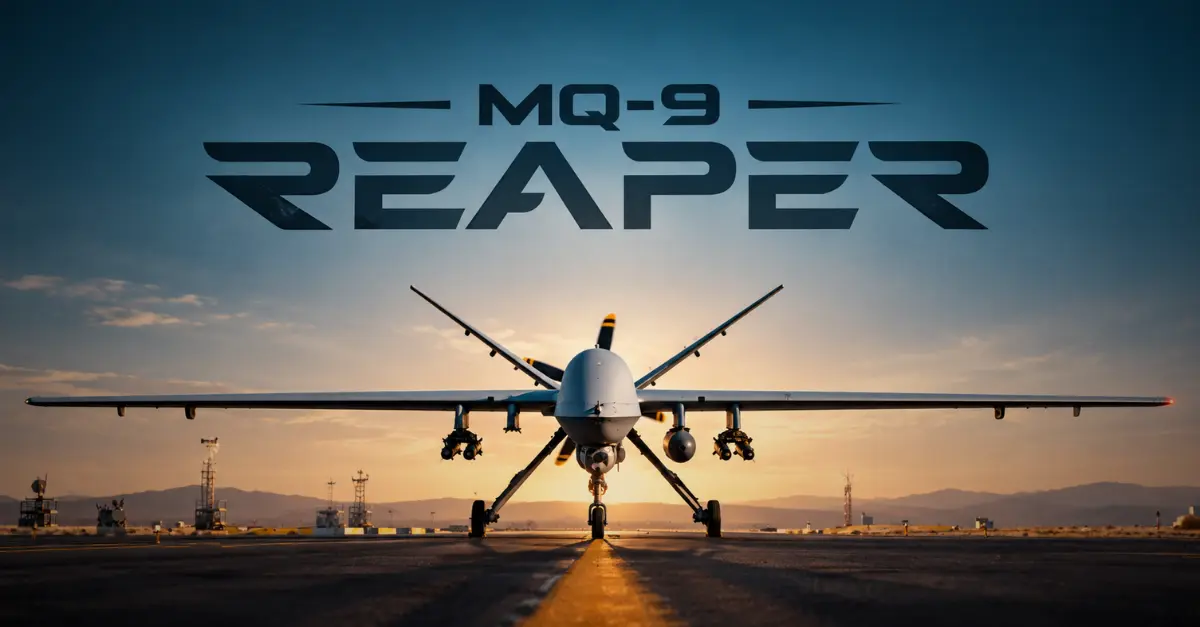
The 45 MQ-9 Reapers are the largest category. This figure does not come from an official tally. The CRS draws it from a Washington Post article dated August 13, which cited three US officials describing at least 45 aircraft lost. I therefore read it as a minimum, attributed to anonymous official sources, rather than a count validated by the Department of Defense.
The Reaper carries out intelligence, surveillance and reconnaissance missions, as well as strikes. Each aircraft lost therefore reduces the ability to observe an area continuously. The heavy use of these drones in contested airspace raises a simple question: how far can they be exposed without exhausting the fleet? A drone costs less than a combat aircraft and puts no crew at risk, but its losses add up quickly.
There are also three MQ-1s, one of which was shot down by Iran according to CENTCOM in late May, and a Navy MQ-4C Triton. The latter crashed in an accident, according to a US Navy document reported by the press. Not every drone on the list, then, fell to Iranian fire.
The F-15Es: friendly fire, combat and a Jordanian base
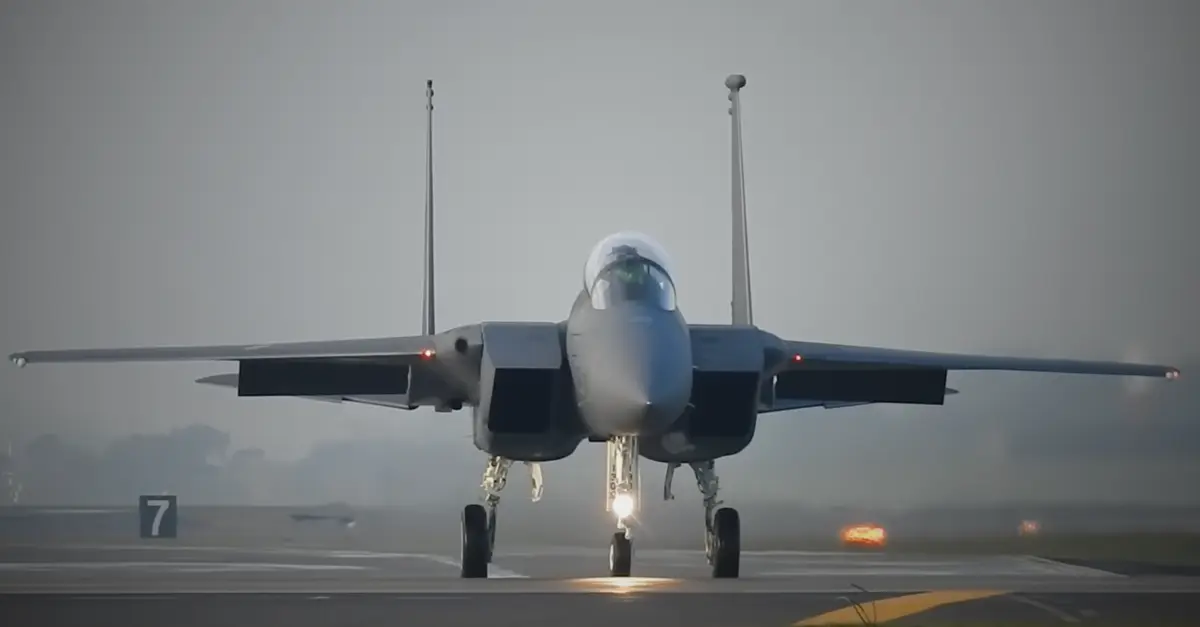
The 12 F-15Es fall into three groups. Three aircraft were destroyed by friendly fire over Kuwait on March 2, and their pilots survived. Another was destroyed over Iran in early April, and CENTCOM reported the rescue of its crew. Finally, eight aircraft suffered light damage in an Iranian strike on Muwaffaq Salti Air Base in Jordan on September 9 and 10, according to several media outlets. They have been returned to service.
Speaking of 12 fighters lost would therefore be inaccurate: four were destroyed and eight were hit and then repaired. The distinction matters, because a damaged F-15E requires maintenance, parts and trained crews, but it returns to the fleet.
The same kind of nuance applies to the other fighters. An F-35A was hit by ground fire over Iran in March. Of the two A-10s, one was hit by enemy fire and crashed, according to General Dan Caine, Chairman of the Joint Chiefs of Staff. The other was severely damaged in the same attack in Jordan.
Tankers and radar aircraft: logistics exposed
The heaviest line in human terms concerns the KC-135s. On March 12, two tankers were involved in an incident. One crashed in Iraq, and all six crew members died, according to CENTCOM. The other made an emergency landing. Two days later, five more KC-135s were damaged on the ground in an Iranian attack on Prince Sultan Air Base in Saudi Arabia.
I should clarify Iraq’s role here: it appears as the site of the crash, not as a belligerent. This tragedy is the only human toll in the CRS list, and it obviously does not sum up the human losses of the conflict.
The same Saudi site is linked to the loss of the E-3 Sentry, an airborne warning and control aircraft. It was damaged on March 28, and a September article mentions a direct hit. The CRS notes, based on later reporting, that it was parked on an unprotected taxiway.
These aircraft don’t strike, but they make strikes possible. Tankers extend the range of fighters, and the E-3 provides airspace surveillance. The CRS is particularly concerned about the loss of aging platforms available in small numbers, such as the E-3.
Rescue operations and helicopters
Part of the losses comes directly from the rescue of the crew of the F-15E shot down in early April. According to the press, two MC-130Js involved in the search were deliberately destroyed on the ground in Iran after being unable to take off. General Caine also stated that an HH-60W was damaged during these operations.
According to the inspector general’s report published on September 14, which covers April to June, four AH-6s were destroyed by US forces during rescue operations. An AH-64 Apache was shot down over the Strait of Hormuz, and an MH-60 crashed in the Arabian Sea.
Why the total rose from 42 to 81
This increase does not mean that 39 aircraft were lost between the two versions. The CRS broadened its sources. It now incorporates the inspector general’s September report, press articles published after May, such as the one on the MQ-9s, and recent events, including the September strike in Jordan.
The increase therefore reflects both new incidents and better knowledge of older ones. The report does not say in what proportion, and I won’t venture a guess.
A bill that is hard to pin down
In September, the Congressional Budget Office (CBO) estimated that replacing equipment lost as of August 1 could cost between $1.9 billion and $3.3 billion, depending on the Pentagon’s choices. This range covers all lost equipment, not just aircraft. It cannot therefore be read as the price of the 81 aircraft.
The real cost also goes beyond buying replacements: damaged aircraft must be repaired, parts supplied, and production lines must keep pace. The CRS notes that these industrial capacities are among the questions Congress could examine.
Questions Congress might ask
The report does not take a position, but it lists five points of attention for lawmakers:
- access to information, that is, whether Congress has sufficient data to assess the losses;
- the budgetary impact of replacements;
- force sufficiency, particularly for scarce platforms such as the E-3;
- the industrial capacity to replace aircraft within the desired timeframes;
- operational risk, including the possibility that these losses reflect an evolving threat.
The last point is the most strategic. It invites the question of whether tactics, equipment and base positioning should be reviewed, given that several losses occurred on the ground, at allied bases.
A tally still open
These 81 aircraft give a fuller picture of the air cost of the war, without setting a definitive toll. The figure depends on sources that are partly journalistic, on classified data and on a conflict that is not over. It can therefore still move, in either direction.
One question remains that this count does not settle: are these losses the price of an intense campaign now on pause, or the sign of a balance of power that will remain durably more costly for US aviation? Future CRS updates, and above all a possible official Pentagon count, will help answer it.

FAQ
How many US aircraft have been lost or damaged since February?
According to the CRS, 81 aircraft, helicopters and drones since February 28, 2026, based on the October 5 update.
Were all 81 aircraft destroyed?
No. The figure includes damaged aircraft, some of which have been returned to service, such as eight F-15Es hit in Jordan.
Which aircraft suffered the most losses?
The MQ-9 Reaper drone, with at least 45 units according to US officials cited by the Washington Post. The F-15Es follow, with 12.
Were any service members killed in these incidents?
The report mentions the death of six crew members in the crash of a KC-135 in Iraq on March 12.