

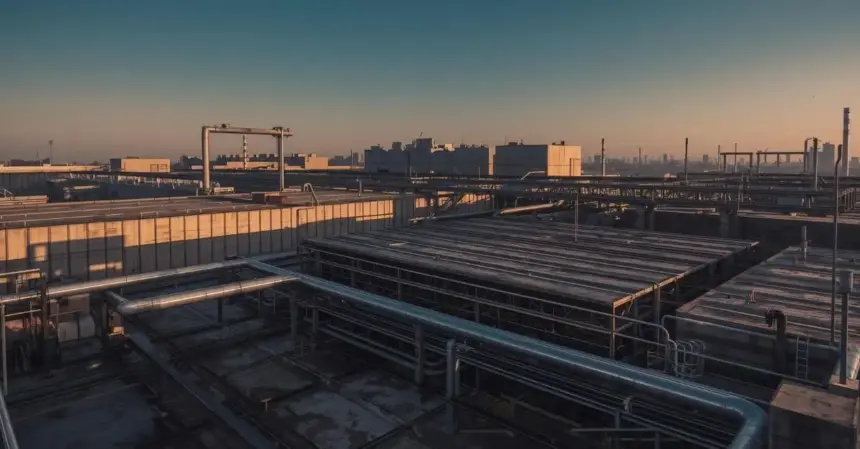
Morocco is setting a new benchmark for African industrial excellence with the announcement of a massive industrial zone in Mohammedia. Spanning a staggering 660 hectares, this project is far more than a simple urban development; it is a calculated geopolitical and economic move designed to cement the Kingdom’s role as a global manufacturing leader. By integrating production, logistics, and innovation within a single hub, Morocco is sending a clear signal to global markets: the future of “nearshoring” is here, and it is located on the Atlantic coast of North Africa.
- A Massive Catalyst for 35,000 New Careers
- Strategic Sectors and the Power of Clusters
- Logistics: The Backbone of the Mohammedia Hub
- An Investor-Friendly Ecosystem and Legal Security
- Sustainability as a Core Industrial Pillar
- A New Era for the Casablanca-Settat Region
- FAQ: Key Information About the Mohammedia Project
The city of Mohammedia, traditionally known for its energy sector, is undergoing a profound metamorphosis. This new 660-hectare zone will act as a bridge between the financial powerhouse of Casablanca and the administrative capital of Rabat. Its proximity to major ports and international airports makes it an ideal landing spot for multinational corporations looking to diversify their supply chains away from volatile regions. This project is not just about local growth; it is about Morocco’s ambition to become a central node in the global trade network.
A Massive Catalyst for 35,000 New Careers
At the heart of this industrial expansion is a bold human objective: the creation of over 35,000 direct jobs. This is a transformative figure for the regional labor market. These opportunities will cater to a wide spectrum of talents, from specialized factory floor technicians to high-level industrial engineers and supply chain managers. The sheer scale of the project ensures that it will absorb a significant portion of the Kingdom’s young, educated workforce, providing them with stable, high-value careers in an increasingly competitive world.
Beyond direct employment, the “multiplier effect” of such a large-scale project cannot be overstated. A bustling industrial hub of this magnitude requires a vast ecosystem of support services. We can expect a surge in local entrepreneurship, ranging from specialized maintenance firms to catering, security, and professional training centers. This economic revitalization will breathe new life into Mohammedia’s neighborhoods, driving up the standard of living and fostering a new generation of skilled professionals who are ready to lead the nation’s industrial future.
Strategic Sectors and the Power of Clusters
The vision for these 660 hectares is rooted in the concept of industrial synergy. Instead of a fragmented approach, the Moroccan government is promoting the development of industrial clusters. By grouping businesses that operate within the same value chain, the zone will drastically reduce operational costs and encourage innovation through proximity. The focus will be on sectors where Morocco has already demonstrated a competitive edge or where there is a growing global demand for high-quality manufacturing.
-
Automotive and Aerospace Parts: Strengthening the existing ecosystems that have already made Morocco a regional leader.
-
Advanced Logistics and Warehousing: Utilizing smart technology to manage the flow of goods across the continent.
-
Agri-Business and Food Processing: Converting Morocco’s rich agricultural output into high-value exports for Europe and the US.
-
Green Tech and Electronics: Manufacturing components for the renewable energy sector and consumer electronics.
-
Chemical and Pharmaceutical Industries: Capitalizing on the city’s historical expertise to produce essential medicines and chemicals.
This strategic diversity ensures that the zone remains resilient to market fluctuations. If one sector faces a downturn, others can maintain the momentum. Furthermore, the inclusion of dedicated research and development (R&D) centers within the zone will ensure that the industries in Mohammedia aren’t just producing today’s products, but are also designing the solutions of tomorrow. This focus on knowledge-based industry is what will ultimately separate this project from traditional, low-cost manufacturing sites.
Logistics: The Backbone of the Mohammedia Hub
What sets the Mohammedia industrial project apart is its world-class logistical infrastructure. In today’s global economy, speed to market is the ultimate competitive advantage. The zone is designed to be a seamless logistics corridor, connecting the industrial plots directly to the national highway network and the rail system. This connectivity ensures that raw materials enter the factories and finished products exit the country with minimal friction. The integration with the port of Mohammedia will also be optimized to handle specialized industrial cargo.
Investments are being funneled into “smart logistics” solutions, including automated sorting centers and AI-driven inventory management systems. For a multinational company, the ability to monitor a product from the assembly line in Mohammedia to a retail shelf in Paris or Madrid in real-time is an irresistible proposition. This logistical efficiency is the magnet that will attract the biggest names in global trade, positioning Morocco as the indispensable gateway between the European, African, and American markets.
An Investor-Friendly Ecosystem and Legal Security
Morocco’s attractiveness as an investment destination is no accident. It is the result of years of structural reforms aimed at creating a stable and transparent business environment. The new Investment Charter provides a comprehensive framework of incentives for companies choosing to settle in the Mohammedia zone. These include tax breaks, customs advantages, and direct financial support for projects that meet specific employment and sustainability criteria. The “One-Stop Shop” model at the Regional Investment Center further simplifies the process, cutting through red tape.
The legal security offered by the Kingdom is another cornerstone of this project. Foreign investors value the protection of intellectual property and the predictability of the Moroccan legal system. In Mohammedia, they will find a ready-to-use industrial landbank with all the necessary utilities—high-speed internet, reliable power grids, and advanced water treatment facilities—already in place. This reduces the “time-to-market” for new factories, allowing businesses to become operational and profitable in record time.
Sustainability as a Core Industrial Pillar
The Mohammedia project is a pioneer in the “Green Industry” movement. Morocco is well aware that the future of manufacturing must be sustainable. Therefore, the 660-hectare zone is being developed as an Eco-Industrial Park. This means that environmental considerations are integrated into every stage of the planning process. Solar panels will be a common sight on factory roofs, and the zone will feature advanced systems for harvesting rainwater and recycling industrial waste.
By adhering to international environmental standards, the companies in Mohammedia will be better positioned to export to markets with strict carbon regulations, such as the European Union. This commitment to green manufacturing is not just about ethics; it’s a shrewd business strategy. It reduces long-term energy costs and enhances the brand value of the products “Made in Morocco.” The zone will also include significant green belts and pedestrian-friendly areas, creating a modern work environment that prioritizes the well-being of the 35,000 employees.
A New Era for the Casablanca-Settat Region
The ripple effects of the Mohammedia industrial zone will be felt far beyond the city limits. As part of the broader Casablanca-Settat regional development plan, this project helps to decompress the overcrowded industrial areas of Casablanca. It promotes a more balanced territorial development, ensuring that growth and prosperity are shared across the coastline. The influx of workers and their families will spark a demand for new housing, schools, and healthcare facilities, leading to a comprehensive urban renewal.
Looking toward 2030, Mohammedia is poised to become a symbol of Morocco’s modernization. The synergy between its industrial capacity, its port infrastructure, and its human capital will create an economic engine that drives the national GDP upward. This project proves that Morocco is not content with being a passive observer of global economic shifts; it is an active architect of its own destiny, building the infrastructure today that will sustain the prosperity of tomorrow.
FAQ: Key Information About the Mohammedia Project
What makes Mohammedia different from other industrial zones in Morocco?
The primary difference is the scale (660 hectares) and the integrated focus on both high-end manufacturing and advanced logistics. Its unique location between Rabat and Casablanca provides unparalleled access to the country’s main economic and administrative hubs.
How will the project impact the local environment?
The zone is designed as an Eco-Industrial Park. It focuses on renewable energy, waste recycling, and sustainable water management. Strict environmental impact assessments are required for every company that wishes to set up operations in the area.
Are there opportunities for small and medium enterprises (SMEs)?
Yes, while the zone aims to attract large multinationals, a significant portion of the land is allocated for local SMEs. The goal is to create a vibrant supply chain where local businesses can support and grow alongside global giants.
What kind of government support is available for investors?
Investors can benefit from the new Investment Charter, which includes financial premiums for job creation, territorial development, and sustainable projects, along with simplified administrative procedures.