

The Moroccan job market in 2026 is defined by a remarkable paradox: while traditional roles are being automated, new industries are emerging at a pace never seen before in North Africa. As the Kingdom fast-tracks its “Digital Morocco 2030” vision and prepares for global sporting events, the demand for specialized talent has reached a fever pitch. Whether you are a local graduate or an international professional, finding a job in Morocco today requires more than just a degree; it demands a strategic understanding of the country’s industrial acceleration and its role as a green energy gateway to Europe. The opportunities are vast, spanning from the bustling tech hubs of Casablanca to the renewable energy fields in the Sahara.
Success in this environment hinges on your ability to align with the government’s strategic pillars. In 2026, the focus has shifted toward high-value manufacturing, sustainable tourism, and advanced financial services. Companies are no longer looking for generalists; they are hunting for “T-shaped” professionals—those with deep technical expertise in one area and a broad ability to collaborate across digital platforms. As the economy becomes more integrated into global value chains, the Moroccan workplace is becoming increasingly multilingual and tech-driven, making it an exciting destination for those ready to embrace the future of work.
High-Growth Industries Leading the Recruitment Wave
The most significant employment surge in 2026 is undoubtedly within the automotive and aerospace clusters. Morocco has successfully transitioned from basic assembly to complex manufacturing, including electric vehicle (EV) batteries and aircraft engine components. If you have a background in mechatronics, supply chain management, or industrial engineering, the northern zones near Tangier and the Atlantic hubs in Kenitra are your primary targets. These sectors are not just hiring; they are engaged in a “war for talent” to find professionals who can manage smart factories and automated production lines.
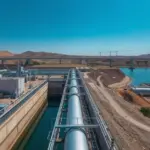
Simultaneously, the Green Energy sector has moved from the construction phase to full-scale operations. With massive investments in Green Hydrogen and seawater desalination, a new category of “Eco-Engineers” and “Sustainability Consultants” has emerged. In 2026, working for entities like MASEN or international energy consortiums offers not only competitive salaries but the chance to lead Africa’s energy transition. This sector is particularly open to those with international experience who can bring global best practices to local large-scale projects.
The Evolution of the Hospitality and Event Sector
With the 2030 World Cup on the horizon, the tourism industry in 2026 is undergoing a massive facelift. The demand is shifting toward high-end luxury and experiential travel, creating thousands of roles in:
-
Strategic Event Management: Planning and executing large-scale international conferences and tournaments.
-
Eco-Tourism Development: Managing sustainable resorts that cater to the modern, conscious traveler.
-
Digital Destination Marketing: Using data analytics and social media to attract niche tourist segments.
-
Bespoke Concierge Services: Providing personalized, high-tech experiences for VIP visitors.
-
Revenue Management: Optimizing hotel profitability through advanced pricing algorithms.
Digital Transformation and the Tech Ecosystem
The Moroccan tech scene in 2026 is no longer just about outsourcing. While the BPO (Business Process Outsourcing) sector remains strong, the focus has moved to KPO (Knowledge Process Outsourcing), where Moroccan developers and analysts handle complex R&D for global firms. Artificial Intelligence is the star of the show; companies across all sectors are hiring AI prompt engineers, cybersecurity experts, and blockchain developers. Casablanca Finance City has become a magnet for FinTech startups, offering a vibrant ecosystem for those who prefer the fast-paced life of a startup over a traditional corporate career.
Geographical Hotspots for Job Seekers
While Casablanca remains the undisputed economic locomotive, the geographic distribution of jobs has become much more balanced in 2026. Tangier has solidified its status as a global logistics hub, making it the go-to city for professionals in trade, maritime transport, and heavy industry. Meanwhile, Rabat is attracting a new wave of tech talent and policy experts, positioning itself as a “Smart City” that bridges the gap between government administration and digital innovation. The capital is perfect for those seeking roles in NGOs, international relations, or high-level consulting.
Regional development has also opened doors in unexpected places. The Souss-Massa region (Agadir) is booming thanks to a new industrial zone and a revitalized agricultural sector focused on Agrotech. For those in the renewable energy sector, the southern provinces (Laayoune and Dakhla) offer unique opportunities in wind and solar project management. This regional decentralization means that job seekers can now find high-quality employment outside the “Atlantic axis,” often with a lower cost of living and a better work-life balance.
Strategies to Secure a Premium Role in 2026
In 2026, the recruitment process in Morocco is heavily digitized. Your digital footprint is often more important than your physical resume. Top-tier recruiters use AI-driven tools to scan LinkedIn profiles for specific certifications and endorsements. To stand out, your profile must showcase:
-
Technical Proficiency: Mastery of industry-specific software and AI tools.
-
Language Versatility: While French is common, English has become the language of the boardroom in most multinational companies.
-
Project-Based Results: Instead of listing duties, highlight specific problems you solved and the ROI you delivered.
Networking in Morocco has also evolved. While “who you know” still matters, it has moved to professional digital circles. Joining industry-specific webinars, participating in “Hackathons,” and attending specialized trade fairs are the best ways to get noticed by decision-makers. In 2026, many of the best jobs are never even advertised; they are filled through professional referrals and headhunting. Building a reputation as a thought leader in your field by sharing insights on professional platforms is a powerful way to have recruiters come to you.
Essential Tools for Your Job Search
To navigate the 2026 market effectively, you should leverage a mix of local and international platforms:
-
LinkedIn: Essential for networking and high-level corporate roles.
-
ReKrute: The gold standard for managerial and IT positions in Morocco.
-
Anapec (Digital Portal): For large-scale national projects and vocational training programs.
-
Niche Job Boards: Websites dedicated specifically to the green energy, medical, or automotive sectors.
-
Direct Company Portals: Large groups like OCP, Attijariwafa Bank, and Maroc Telecom have sophisticated internal recruitment systems.
The Rise of Remote Work and the Gig Economy
A significant trend in 2026 is the normalization of hybrid and remote work. Many tech and service firms in Casablanca now allow employees to work from anywhere in the country. This has given rise to a “Digital Nomad” culture within Morocco, where professionals live in coastal towns like Essaouira or Taghazout while working for companies in the city. For the job seeker, this means your “office” could be anywhere, as long as you have a stable internet connection and the discipline to manage your own time.
The Freelance market has also matured. With the improved “Auto-Entrepreneur” status, more professionals are choosing to consult for multiple clients rather than signing a single employment contract. This is particularly prevalent in graphic design, digital marketing, and specialized engineering. If you possess a high-demand skill, the gig economy in 2026 offers a level of freedom and income potential that was unimaginable a decade ago. It allows you to build a diverse portfolio and gain experience across different industries simultaneously.
FAQ for Job Hunting in Morocco
What are the highest-paying sectors in Morocco in 2026?
Currently, the highest salaries are found in Cybersecurity, Renewable Energy Management, Specialized Medicine, and Data Science within the financial sector.
Is it necessary to speak Arabic to work in Morocco?
While many multinational environments use English or French, knowing Darija (Moroccan Arabic) or Modern Standard Arabic is a significant advantage for daily integration and for roles that involve local management or government relations.
How has AI changed the hiring process in Morocco?
AI is now used to filter 80% of initial applications. It also powers “Skill Assessments” where candidates are tested on their coding or management abilities in a virtual environment before ever meeting a human recruiter.
Are there opportunities for foreigners in the Moroccan market?
Yes, especially in technical fields where there is a local skill gap, such as specialized aerospace engineering, green hydrogen technology, and international luxury hospitality management.