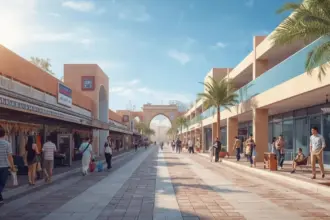



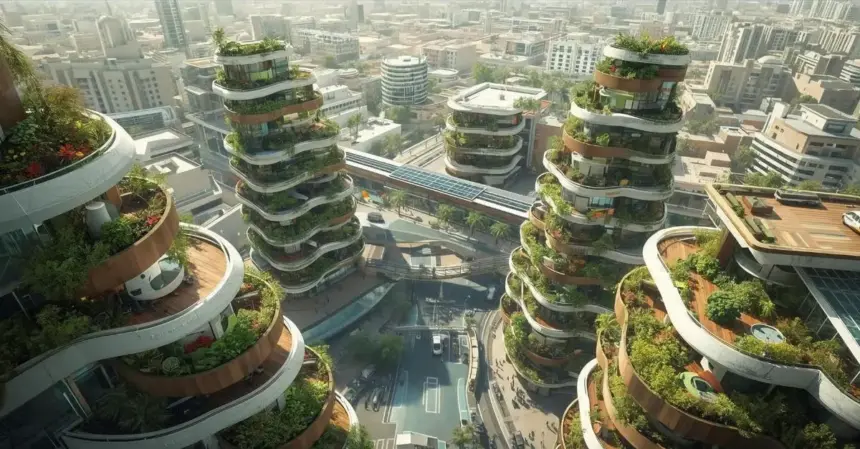
Casablanca is currently undergoing a radical metamorphosis, positioning itself as a hyper-modern African metropolis. Driven by the ambitious goals of the 2030 FIFA World Cup and the National Port Strategy, the city is witnessing a construction boom unlike any in its history. These projects are not merely aesthetic upgrades; they represent a fundamental shift in how the city functions, moves, and breathes. From futuristic stadiums to advanced transit networks, Casablanca is building the foundations for a sustainable economic future.
The crown jewel of this transformation is the Grand Stade Hassan II in Benslimane. With a staggering budget of approximately $500 million, this 115,000-seat arena is designed to be the largest and most technologically advanced football stadium on the planet. Its strategic location between Casablanca and Rabat is intentional, sparking the development of a new urban corridor. This project is expected to generate a massive surge in local tourism and infrastructure investment, creating a ripple effect of growth throughout the entire Casablanca-Settat region.
A New Era of Mass Transit
Navigating Casablanca’s dense urban core has long been a challenge, but the massive expansion of the Tramway and Busway networks is providing a long-awaited solution. The newly operational T3 and T4 lines have added 26 kilometers of track, connecting high-density neighborhoods to the city’s economic heart. Complementing this is the RER (Regional Express Network), a multibillion-dirham railway project designed to link Casablanca with suburban hubs like Zenata and Nouaceur. This “metro-style” service aims to take thousands of cars off the road, drastically reducing the city’s carbon footprint.
Road infrastructure is also receiving a high-tech makeover. The city has invested heavily in smart tunnels and overpasses to eliminate traffic bottlenecks. The recent modernization of major arterial roads includes the integration of AI-driven traffic management systems that adjust signal timings based on real-time vehicle density. These improvements are critical for a city that expects to host millions of international visitors in the coming years, ensuring that mobility remains fluid even during peak event periods.
Port and Airport Modernization
As the primary gateway to Morocco, Casablanca is upgrading its international connections to world-class standards. The expansion of the Mohammed V International Airport is a priority, with plans to increase capacity to 35 million passengers annually. Simultaneously, the Port of Casablanca is being restructured to become a leading logistical and cruise hub. The integration of high-speed rail (LGV) extensions toward Marrakech further strengthens this connectivity, making Casablanca the central node of a nationwide high-speed transport spine.
Key highlights of the upcoming logistics infrastructure:
-
A new dedicated cruise terminal to boost maritime tourism.
-
The expansion of the Atlantic logistics zone for industrial growth.
-
Upgraded railway signaling systems to support higher frequency train schedules.
-
The deployment of 5G-enabled smart infrastructure at all major transport hubs.
FAQ: Casablanca’s Infrastructure
What is the main goal of the 2030 infrastructure plan? The primary objective is to modernize the city’s transport and sports facilities to host the World Cup, while simultaneously improving the daily quality of life for residents through better mobility and green spaces.
Will the new stadium be accessible by public transport? Yes, the ONCF is developing a dedicated rail link and improved highway access specifically to connect the Benslimane stadium with downtown Casablanca and the airport.