
What is the best city in Morocco to live in 2026? This question is top of mind for thousands of families, investors, and digital nomads looking for a foothold in a country undergoing a spectacular economic and social transformation. With major global events approaching and the massive infrastructure projects finally bearing fruit, choosing a city is no longer just a matter of personal taste. It is a strategic decision based on cost of living, job opportunities, and quality of life. In 2026, Morocco stands out as a leading international destination, where Western modernity meets Moroccan authenticity in smart cities that are setting new standards for the region.
Relocating to Morocco today means benefiting from a high-speed rail network (TGV) connecting the North to the Center, fully modernized international airports, and a healthcare and education system in the midst of digital transformation. Whether you are looking for the hustle and bustle of the economic capital, the serenity of coastal towns, or the charm of imperial cities, 2026 brings new rankings for the most attractive destinations. This guide takes you on a detailed journey to explore the strengths of each city, helping you define your next destination based on realistic criteria and up-to-date data reflecting the pulse of Morocco today.
Tangier the bride of the north and new economic pole
Tangier is undoubtedly the icon of Moroccan transformation. It has successfully evolved from a border town into a world-class industrial and logistical hub. Thanks to the Tanger Med port and various free zones, the city has become a preferred destination for international engineers and executives. In 2026, Tangier sits at the top of Moroccan cities in terms of economic dynamism, but it has also climbed the rankings of the most expensive cities, sometimes surpassing Casablanca in housing costs. Living in Tangier means enjoying breathtaking views of the Strait of Gibraltar and being able to travel to Europe in just one hour via high-speed ferries.
Life in Tangier is characterized by a unique cultural blend of Andalusian, Mediterranean, and international influences. Upscale neighborhoods like “Malabata” and “La Vieille Montagne” offer luxury residential options overlooking the sea, while newer areas provide massive shopping malls and world-standard entertainment facilities. Many prefer Tangier for its temperate climate—cool in the summer and refreshing in the winter—and its cultural openness, which makes the integration of foreigners and returning Moroccans smooth and easy. It is the city of the future, combining hard work with a high quality of life.
Preferred neighborhoods for living in Tangier
If you are looking for what is the best city in Morocco to live in 2026 with a focus on luxury, the Malabata district is your first choice. This area is characterized by its proximity to the high-speed train station and the new corniche, making it ideal for senior officials and business people. For families seeking peace and privacy, the “Tanger Balia” and “Iberia” areas offer modern residential complexes equipped with gardens and pools, along with proximity to French and American international schools that have significantly expanded their capacity this year.
Here are the most important advantages of settling in Tangier:
-
Modern infrastructure and a road network connecting the city to all industrial zones.
-
Promising job opportunities in the automotive, aerospace, and logistics sectors.
-
Geographical proximity to Europe, facilitating travel for professional or tourism purposes.
-
An extended corniche providing spaces for sports and family outings.
-
A diverse real estate market including modern apartments and luxury villas with sea views.
Rabat the city of light and capital of sophisticated serenity
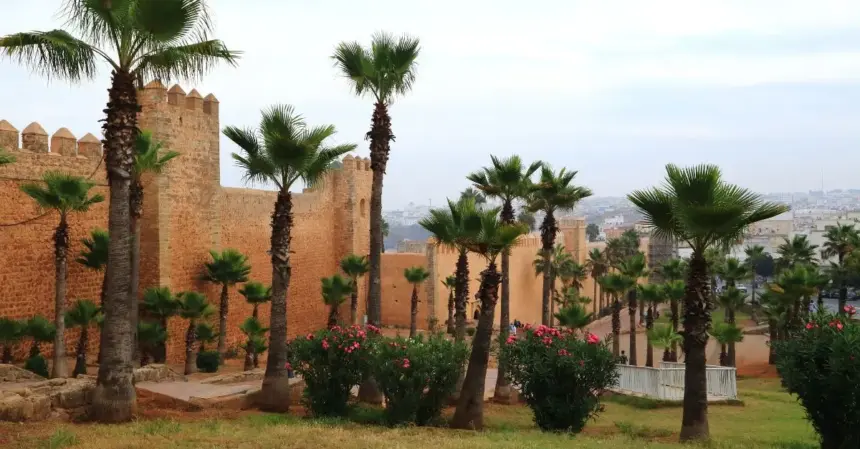
Rabat remains the ideal choice for those seeking a balance between modernity and tranquility. As the administrative capital, Rabat offers an incomparable quality of life with vast green spaces, wide streets, and strict order. In 2026, the “Wessal Bouregreg” project is a tangible reality, with the Grand Theatre and leisure facilities around the Bouregreg River adding a world-class aesthetic touch to the city. Rabat is the city of civil servants and diplomatic missions, witnessing increasing demand for real estate due to its high security and impeccable cleanliness.
Living in Rabat is characterized by sophistication, with access to top-tier private and public hospitals and prestigious schools. The “Agdal” district represents the city’s commercial and youthful heart, while “Souissi” and “Hay Riad” remain the hallmarks of luxury and calm. What distinguishes Rabat is its ability for smart expansion, as it has been linked to structured suburbs that offer housing options at reasonable prices while maintaining easy access to the center via the tramway or orbital highways. It is the city that gives you a sense of psychological and social stability in a refined urban environment.
Quality of life in Hay Riad and Souissi
Hay Riad is the upscale business heart of Rabat, where the headquarters of major companies and ministries are concentrated. Living in this neighborhood means being in a clean, safe environment close to luxury shopping centers. As for Souissi, it is an urban forest containing vast villas and is the favorite of senior officials and international directors. Considering what is the best city in Morocco to live in 2026, Rabat excels in security and environmental quality, making it the preferred destination for families who prioritize the education and safety of their children.
Casablanca the tireless economic heartbeat
Casablanca is the city of challenges and opportunities. Despite the crowd, it remains the primary destination for ambitious youth and investors due to the concentration of financial and commercial activity. In 2026, the flow of movement has improved thanks to the completion of the tramway and high-quality bus (BHNS) lines, which have eased pressure on the city center. Casablanca is a global city by all standards, where you find everything from fine dining to vibrant traditional markets. It is the city that offers the largest number of private-sector job opportunities.
Living in “Casa” requires choosing a neighborhood carefully to avoid the city’s pressure. The “Casa Anfa” project, built on the site of the old airport, has become a model for smart cities in Africa, providing modern apartments and offices amidst vast green spaces. Additionally, the “Bouskoura” area offers a quiet haven for families who prefer living in villas within “Golf Cities” away from the noise of the center. Casablanca is a city that never sleeps, ideal for those who love a fast pace of life and endless entertainment options.
Investment and housing in Casa Anfa
The Casa Anfa project represents the urban future of the economic capital, designed as an integrated financial and residential center. Thanks to the Casablanca Finance City (CFC), the area has attracted thousands of financial experts of various nationalities. Housing here provides easy access to work, with public parks, sports fields, and pedestrian paths. For those seeking what is the best city in Morocco to live in 2026 with great professional ambition, Casablanca, and specifically the Anfa area, is the logical answer that combines high-level employment with upscale living.
Marrakech and Agadir for tourism and retirement
One cannot talk about living in Morocco without mentioning Marrakech and Agadir. Marrakech, the Red City, is no longer just for tourism; it has become a hub for digital nomads who prefer living in the riads of the old medina or the villas of the “Palmeraie” area. Its sunny weather year-round and relaxed lifestyle attract thousands. Meanwhile, Agadir is considered the jewel of the south, offering the best climate in Morocco due to its moderate temperatures. With the new urban development project, Agadir has become a modern city with a world-class corniche.
Agadir is characterized by a moderate cost of living compared to Tangier and Casablanca, and the quality of agricultural and fish products makes daily life healthy and economical. The nearby area of “Taghazout” has become world-renowned, providing luxury residential complexes overlooking the Atlantic Ocean—a top destination for surfers and remote workers. If your goal is healthy luxury and peace, Agadir and Marrakech provide great alternatives to the major industrial cities, while maintaining excellent service levels.
Useful FAQ about living in Morocco
Which is the cheapest city to live in Morocco in 2026? Generally, cities like Meknes, Kenitra, and Tetouan are cheaper in terms of housing and daily living costs compared to Rabat, Casablanca, and Tangier. Kenitra, in particular, is seeing high demand due to its proximity to Rabat via the TGV, allowing for lower-cost housing while working in the capital.
How is the internet quality for remote work in Morocco? Morocco has one of the strongest telecommunications infrastructures in Africa. Fiber optics are available in most neighborhoods of major cities, making remote work stable and easy. Marrakech and Agadir are the most popular destinations for online workers due to the quality of life and weather.
Is housing in Morocco safe for foreigners and families? Yes, Morocco is considered one of the most stable and safe countries in the region. Major cities like Rabat and Tangier feature effective security systems and widespread “gated communities” that provide 24/7 security, giving families complete peace of mind.
What about education and health in 2026? The health sector has seen massive investments with the opening of new university hospitals and private clinics with international standards. For education, international schools (French, American, and British) are available in Rabat, Casablanca, Tangier, and Marrakech, offering globally recognized curricula.